
South Korea’s Solus to build copper foil facility in Quebec
- September 6, 2023
- Posted by: Quatro Strategies
- Categories: Americas, Asia Pacific, Mining & Metals
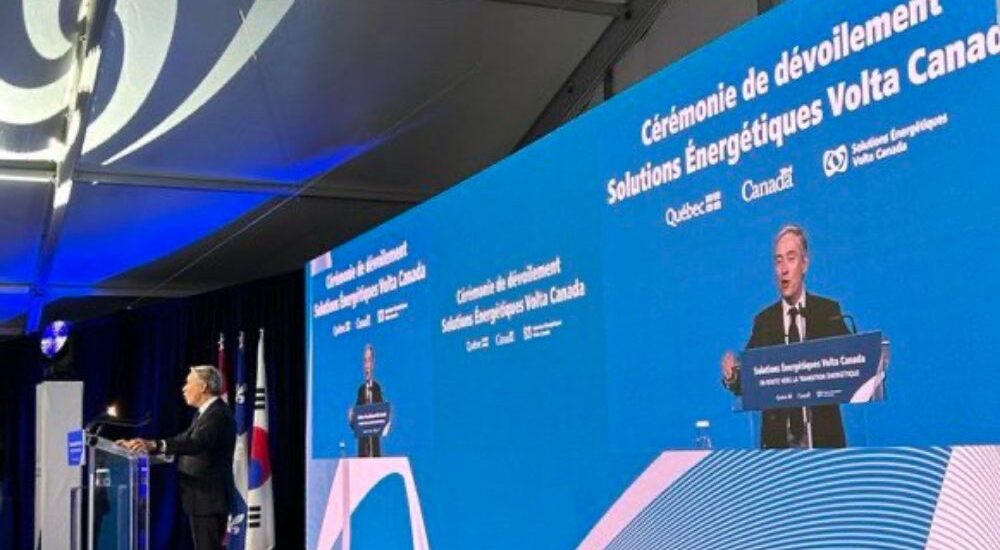
A subsidiary of South Korea’s Solus Advanced Materials is set to construct a copper foil facility in Quebec, Canada, which will produce essential technology for electric vehicle (EV) batteries. The project, called Volta Energy Solutions, is valued at CAD 700 million (approximately $514.37 million) and is expected to reach full production capacity by 2026.
Copper foil is a critical component used as an anode collector in the manufacturing of lithium-ion batteries for EVs. Canada, with its rich mining sector specializing in minerals like lithium, nickel, and cobalt, aims to attract companies operating in various segments of the EV supply chain. This initiative aligns with global efforts to reduce carbon emissions.
The Volta plant in Granby, Quebec, is anticipated to provide employment for 260 individuals and contribute to the province’s ambition to establish itself as an EV supply chain hub, particularly in the nearby town of Becancour. The Canadian federal government and the Quebec provincial government are both collaborating with Volta on this project, although specific investment details were not immediately disclosed.
This move comes shortly after a consortium comprising Ford and South Korean firms announced plans to build a CAD 1.2 billion plant for the production of EV battery materials in Becancour.
Interested in learning more?
Sign up for Top Insights Today

Top Insights Today delivers the latest insights straight to your inbox.
You will get daily industry insights on
Oil & Gas, Rare Earths & Commodities, Mining & Metals, EVs & Battery Technology, ESG & Renewable Energy, AI & Semiconductors, Aerospace & Defense, Sanctions & Regulation, Business & Politics.
Read more insights
China’s coal-to-chemicals push shows security trumping climate
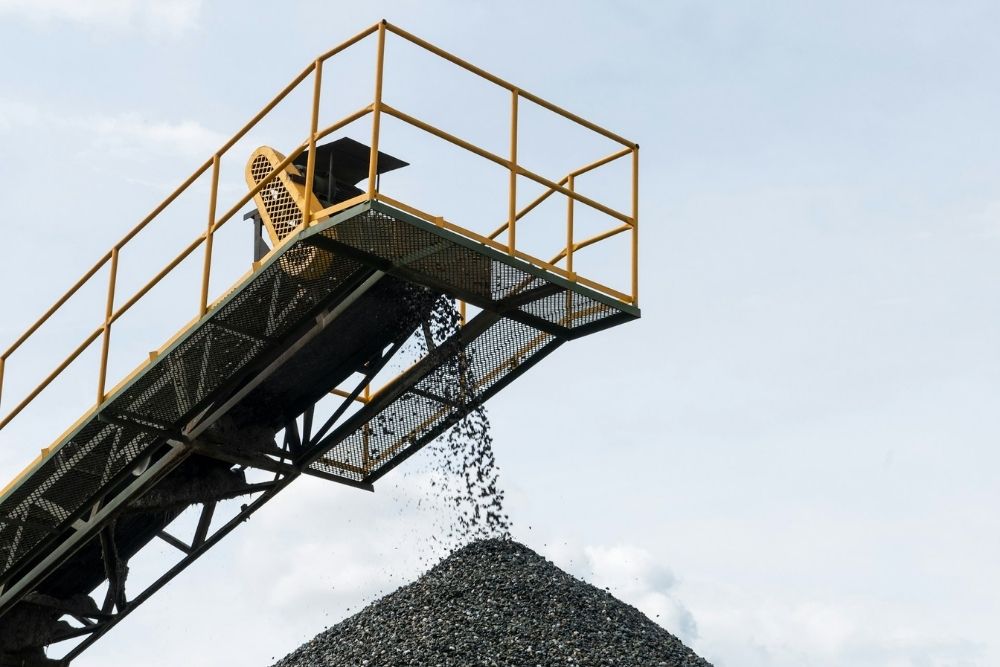
While Europe spent the week fine-tuning the price of carbon, China’s biggest coal region announced plans to manufacture more of it. Inner Mongolia intends to build the country’s largest base for converting coal into oil, gas and chemicals, a project framed explicitly as a response to import dependence in wartime.
The announcement, delivered by the region’s second-ranked official Huang Zhiqiang with a promise to scale up coal-to-oil, coal-to-gas and coal-to-chemicals capacity in the name of self-sufficiency, is short on detail but unambiguous in direction. Four months of war in the Gulf and a strangled Strait of Hormuz have done what no five-year plan quite managed: they have made turning coal into petroleum products a strategic priority rather than a niche experiment.
Russian crude exports from western ports expected to drop in December
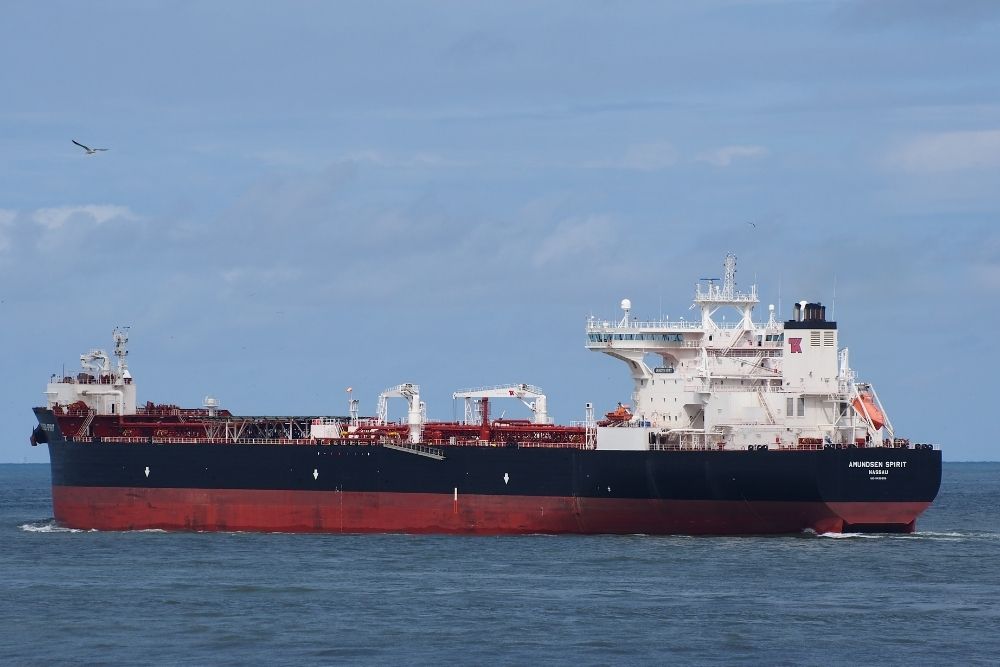
In December, Russia’s oil shipments from its western ports are anticipated to decrease, influenced by a surge in refinery operations and the recent removal of the state’s fuel export ban. The offline primary oil refining capacity is projected to drop to 700,000 metric tons, marking the…
China’s export restriction on gallium push prices higher
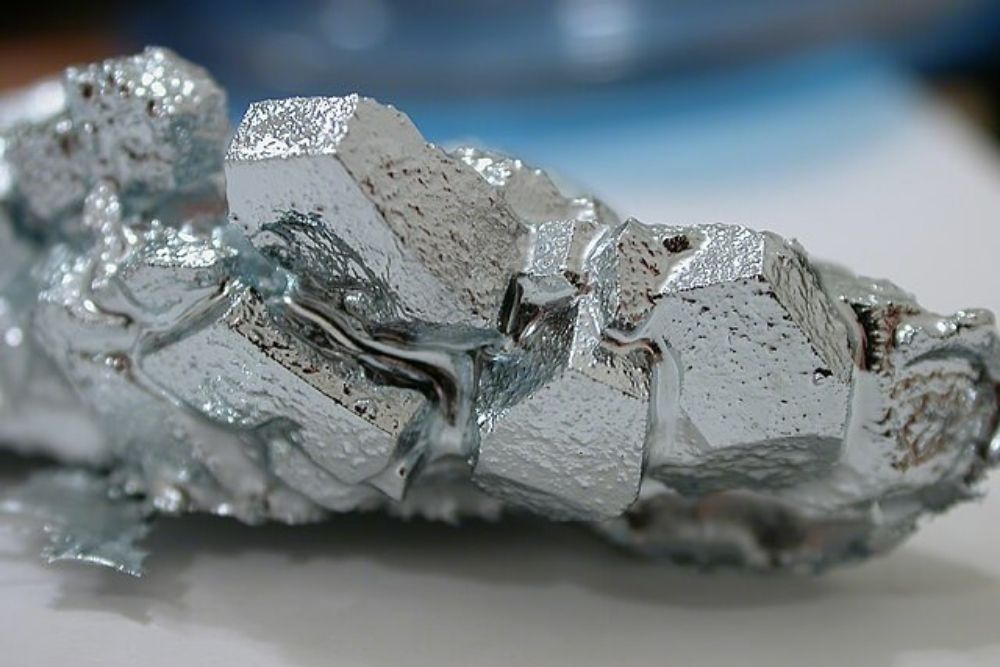
The enforcement of China’s export restrictions on gallium, a vital material in chipmaking, has led to a rapid 50% price increase within just seventeen days since the regulations came into effect on August 1st. Gallium is a critical element used in chip production, particularly in the creation of advanced semiconductors like gallium arsenide (GaAs) and gallium nitride (GaN). China dominates the gallium production landscape, accounting for as much as 80% of the global output, giving it significant leverage in the ongoing economic tensions between the U.S. and China.