
India to award $452 million for battery storage projects
- September 7, 2023
- Posted by: Quatro Strategies
- Categories: EVs & Battery Technology, India
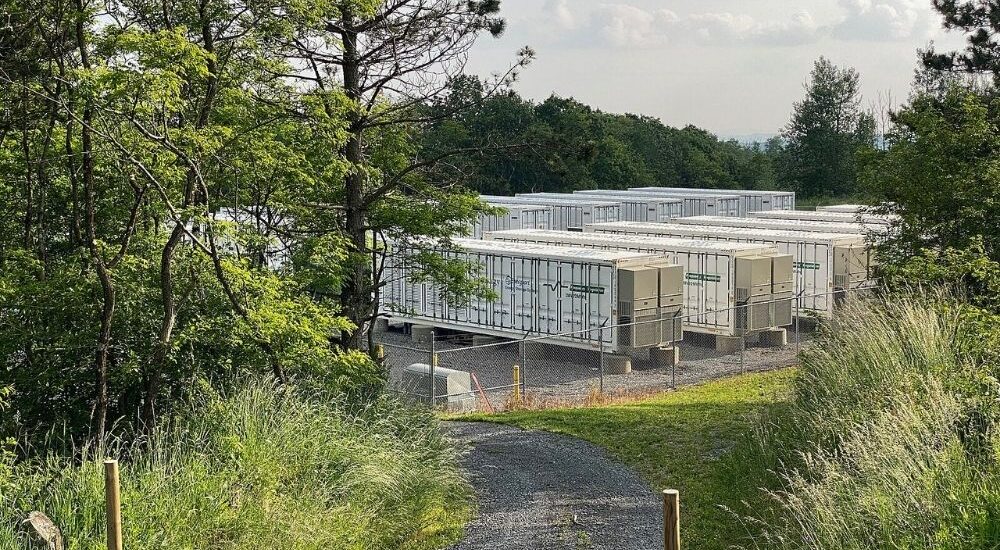
India is offering $452 million in incentives to companies to encourage the development of battery storage projects. This initiative is part of India’s efforts to expand its green energy capacity and achieve its goal of reaching 500 gigawatts (GW) of renewable energy capacity by 2030, up from the current 178 GW.
Battery storage projects are crucial for storing energy generated from renewable sources like solar and wind, enabling it to be used when demand is high.
The program aims to support a storage capacity of 4,000 megawatt hours (MWh) by 2030-31. Indian conglomerates such as Reliance Industries, Adani Power, and JSW Energy have expressed plans to establish large-scale battery manufacturing plants.
The government will provide viability gap funding, which includes incentives to cover risks for developers of critical infrastructure projects that may be economically unviable. This funding will be provided in the form of grants. The federal cabinet approved the program, with incentives of up to 40% of capital costs available to companies establishing manufacturing units.
India currently has 37 MWh of battery storage capacity, and this initiative is expected to significantly boost the country’s energy storage capabilities, making it better equipped to integrate renewable energy into its power grid.
Interested in learning more?
Sign up for Top Insights Today

Top Insights Today delivers the latest insights straight to your inbox.
You will get daily industry insights on
Oil & Gas, Rare Earths & Commodities, Mining & Metals, EVs & Battery Technology, ESG & Renewable Energy, AI & Semiconductors, Aerospace & Defense, Sanctions & Regulation, Business & Politics.
Read more insights

China’s rare earth clampdown sparks alarm in U.S. auto sector
A powerful coalition of U.S. auto suppliers is escalating pressure on the Trump administration to take urgent action as China’s export restrictions on rare earth elements and associated magnet materials threaten to derail vehicle parts production across North America. The latest warning comes from MEMA, the Motor & Equipment Manufacturers Association, which represents hundreds of companies in the auto parts sector and is sounding the alarm over an impending supply chain crisis.
In a statement, MEMA warned that its members are already facing “serious, real-time risks” as a result of the Chinese government’s new licensing regime for rare earth exports. These materials are essential for manufacturing critical components in modern vehicles — from automatic transmissions and electric motors to sensors and power steering systems.
U.S. renewable projects face uncertainty as Trump axes subsidies
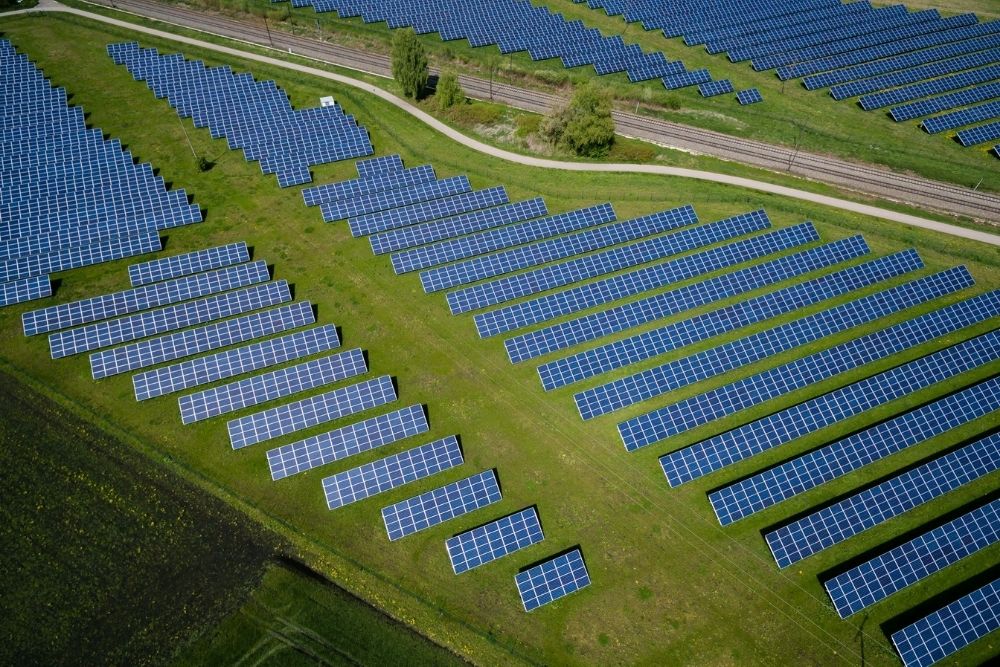
The U.S. Department of Energy’s announcement that it will cancel over $13 billion in renewable energy subsidies marks a dramatic reversal of the federal government’s posture toward clean energy. The Biden administration had pledged these funds to accelerate the buildout of wind, solar, batteries, and electric vehicles, sectors central to both America’s climate commitments and its industrial policy.
By scrapping them, President Trump’s administration is signaling a wholesale shift back toward fossil fuel dominance, framing it as a move to lower energy costs, strengthen energy security, and reduce taxpayer burdens. The decision has both immediate and long-term consequences.

Markets buy everything as conviction gives way to uncertainty
There is a particular configuration of capital flows that experienced allocators learn to distrust, and it appeared in the week to August 5. Equities took in 21 billion dollars. Bonds took in 12 billion. High-yield credit had its best week in five. Money market funds pulled in 57 billion, ending three weeks of withdrawals. Gold kept attracting money for a fourth consecutive week.
When investors simultaneously buy risk assets, safe assets, junk debt and cash, they are not expressing a coherent view about the world. They are buying everything because they cannot decide, and the volume is being supplied by an earnings season that has been extraordinary.