
Tesla predicts production to start at Mexico plant in 2026 or 2027
- September 11, 2023
- Posted by: Quatro Strategies
- Categories: Americas, EVs & Battery Technology
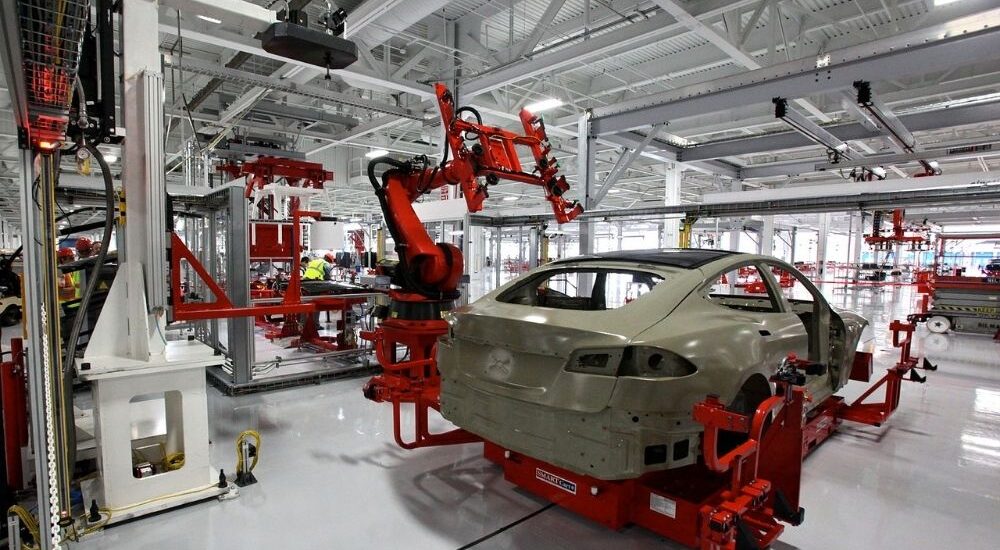
Tesla’s plans for a major new factory in Mexico may be pushed back to 2026 or 2027. A Chinese supplier revealed that they and several other Chinese companies may delay their operations near the future Tesla factory in Nuevo Leon due to the automaker’s slower-than-expected timeline.
Several sources had previously indicated that Tesla aimed to begin production in Mexico by 2025. However, Tesla has not officially announced a construction or production start date for the facility. Some estimates suggest construction might not begin until 2027.
This delay, if confirmed, could impact Tesla’s plans for expanding its production capacity and reaching new markets, particularly in Latin America. Mexico is seen as a strategic location for the company to serve both the local market and export to other countries in the region.
Tesla has not commented on the report or provided any updates on its Mexico factory plans. It remains to be seen how this potential delay might affect the company’s overall production and delivery targets in the coming years.
Interested in learning more?
Sign up for Top Insights Today

Top Insights Today delivers the latest insights straight to your inbox.
You will get daily industry insights on
Oil & Gas, Rare Earths & Commodities, Mining & Metals, EVs & Battery Technology, ESG & Renewable Energy, AI & Semiconductors, Aerospace & Defense, Sanctions & Regulation, Business & Politics.
Read more insights

The Gulf energy premium dies in permanent uncertainty
The Middle East has arrived at the worst available outcome, which is neither resolution nor collapse but permanent uncertainty. Five months after the American and Israeli campaign against Iran began, there is no war large enough to force a settlement and no peace stable enough to restore normal commerce.
Energy flows continue in fits, interrupted by drone strikes and resumed during pauses, governed by nobody’s rules. What is hardening in this interval is not a military position but a commercial belief: that Gulf supply can no longer be counted on. That belief will outlast the fighting, and it is worth more to Iran than any territory.

EU tightens foreign investment screening in economic-security shift
The European Parliament’s approval of the revised foreign-direct-investment screening rules marks another step in the EU’s shift from open-market reflexes toward economic-security governance. Once the Council gives its final formal approval, the legislation will enter into force 18 months later and require all EU member states to screen foreign investments in sensitive sectors.
Those sectors include defence, dual-use goods, AI, quantum, semiconductors, critical raw materials, aerospace, energy, transport, digital infrastructure, financial entities and even electoral infrastructure such as voter databases and voting systems.
Trump targets copper imports with steep new tariffs
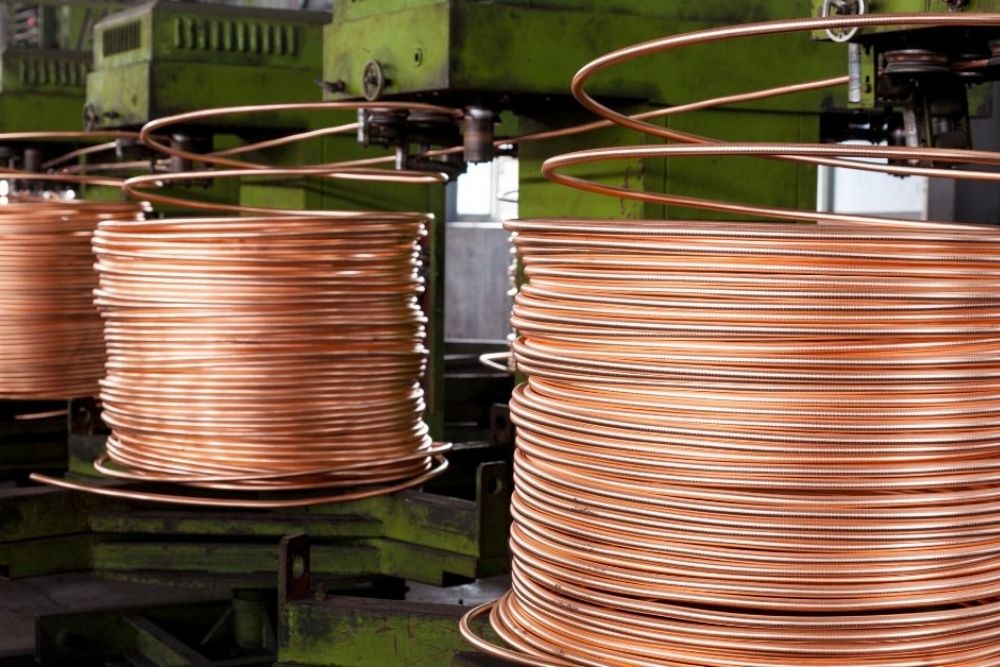
President Donald Trump announced plans Tuesday to impose a hefty 50% tariff on copper imports, a dramatic move aimed at reshoring production of a metal vital to everything from electric vehicles and renewable energy infrastructure to semiconductors and defense systems. The unexpected size and timing of the proposed levy triggered immediate tremors in commodity markets and left U.S. allies scrambling for answers.
U.S. copper futures surged more than 12% to an all-time high after Trump revealed the tariff plan during a White House cabinet meeting, surprising markets that had been bracing for a decision later in the year and expecting a lower rate. The proposed duties are far steeper than industry watchers or global producers had anticipated.