
Tesla predicts production to start at Mexico plant in 2026 or 2027
- September 11, 2023
- Posted by: Quatro Strategies
- Categories: Americas, EVs & Battery Technology
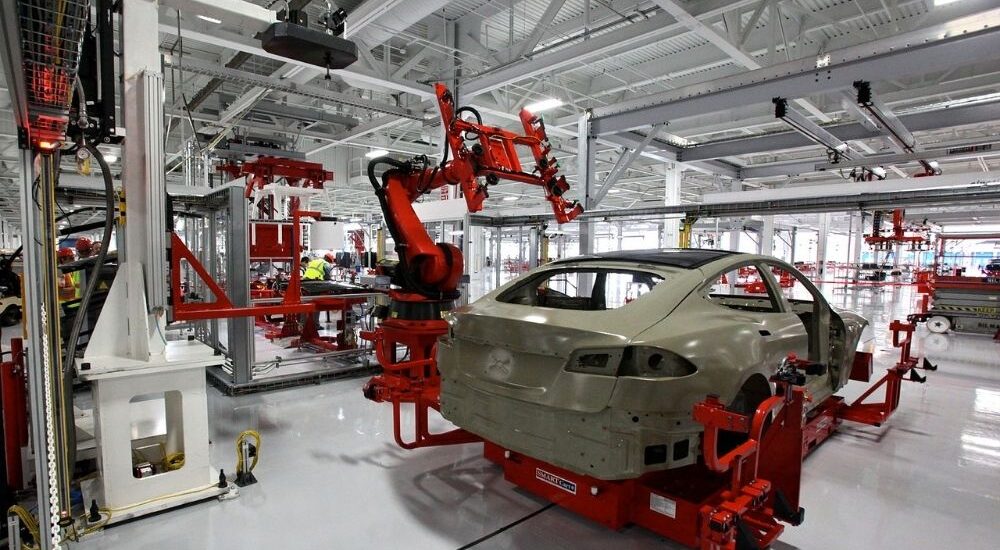
Tesla’s plans for a major new factory in Mexico may be pushed back to 2026 or 2027. A Chinese supplier revealed that they and several other Chinese companies may delay their operations near the future Tesla factory in Nuevo Leon due to the automaker’s slower-than-expected timeline.
Several sources had previously indicated that Tesla aimed to begin production in Mexico by 2025. However, Tesla has not officially announced a construction or production start date for the facility. Some estimates suggest construction might not begin until 2027.
This delay, if confirmed, could impact Tesla’s plans for expanding its production capacity and reaching new markets, particularly in Latin America. Mexico is seen as a strategic location for the company to serve both the local market and export to other countries in the region.
Tesla has not commented on the report or provided any updates on its Mexico factory plans. It remains to be seen how this potential delay might affect the company’s overall production and delivery targets in the coming years.
Interested in learning more?
Sign up for Top Insights Today

Top Insights Today delivers the latest insights straight to your inbox.
You will get daily industry insights on
Oil & Gas, Rare Earths & Commodities, Mining & Metals, EVs & Battery Technology, ESG & Renewable Energy, AI & Semiconductors, Aerospace & Defense, Sanctions & Regulation, Business & Politics.
Read more insights

KoBold Metals expands AI-powered lithium exploration across multiple continents
KoBold Metals, a California-based startup supported by investors including Bill Gates and Jeff Bezos, is expanding its efforts to search for lithium deposits across several continents. The Silicon Valley startup, which employs artificial intelligence for critical metal exploration, is set to…
EU turns storage from crisis tool to political test of energy independence
What was once a narrow question of whether storage would be full enough to get through winter has become a political litmus test for EU energy independence. That sense of urgency drove Brussels to impose strict requirements two years ago mandating storage levels of 90% by November, rules that distorted prices, triggered frantic bidding wars for LNG, and strained relationships with Asian buyers.
Those rules have since been softened, and unlike the panicked scrambles of 2022 and 2023, no such crisis looms this year. As of late August, EU storage stood at 76% of capacity, equivalent to about 85 billion cubic metres of gas. That is slightly below last year’s 92% but broadly consistent with the 10-year average.
Japan’s stance on Middle East directly linked to its energy security concerns
Japan’s reaction to the recent Hamas-Israel conflict has been influenced by its persistent apprehension regarding potential ramifications for its crucial oil supply from the Middle East, given the nation’s energy insecurity and multifaceted diplomatic interests in the region. Initially…