
European metals and materials sectors look for more EU support for battery industry
- September 12, 2023
- Posted by: Quatro Strategies
- Categories: Europe, EVs & Battery Technology
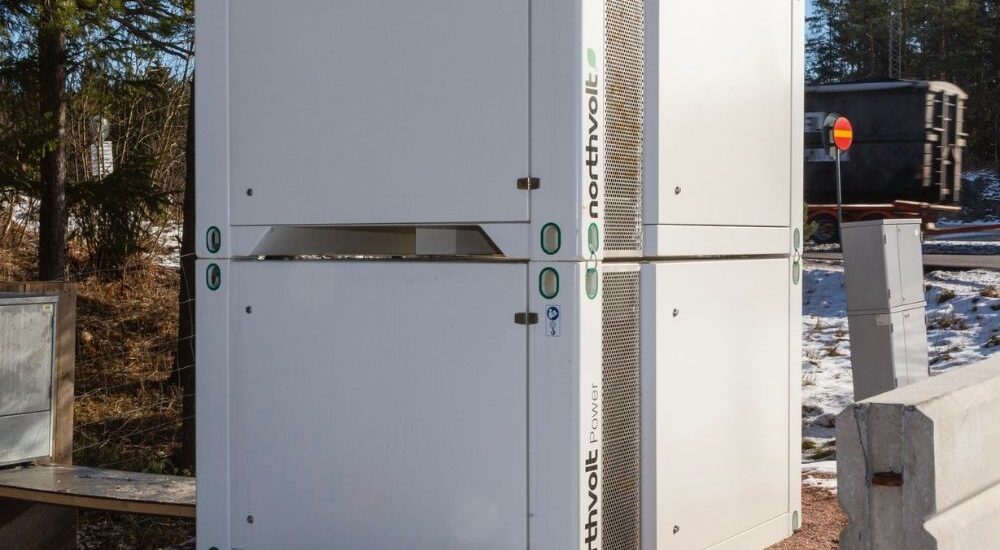
A consortium of European metals and materials companies has issued a joint letter urging the European Union (EU) to increase financial support for the bloc’s battery industry. They argue that the EU’s current plans and funds are insufficient to compete effectively with China and the United States in the battery sector, which is crucial for electric vehicles (EVs) and renewable energy storage.
In their letter to the European Commission, the companies emphasized that China controls significant shares of cleantech manufacturing and 50-90% of critical minerals processing capacity required for these technologies, making it a dominant player in the global supply chain.
The signatories of the letter include prominent firms such as mining company Rio Tinto, chemical group Solvay, and battery materials manufacturers Umicore and Northvolt. They called for the creation of a European Critical Minerals Fund, which would operate at the EU level and provide direct financing to companies involved in the battery industry.
Additionally, the companies urged the European Commission to expand its innovation fund to include targeted support for the critical minerals sector. They criticized existing EU funding streams as “a patchwork of insufficient, uncoordinated, and complex schemes” that mainly focus on research and development, lacking support for production scale-up and investment attraction.
The letter highlights the urgency of strengthening Europe’s battery industry to ensure the continent’s competitiveness in the transition to green technologies. It also underscores concerns about China’s dominance in the cleantech sector and the United States’ substantial investments under the Inflation Reduction Act.
The signatories argue that Europe’s investment climate has been further complicated by the ongoing conflict in Ukraine, making it imperative for the EU to take swift and decisive action to support its battery industry.
Interested in learning more?
Sign up for Top Insights Today

Top Insights Today delivers the latest insights straight to your inbox.
You will get daily industry insights on
Oil & Gas, Rare Earths & Commodities, Mining & Metals, EVs & Battery Technology, ESG & Renewable Energy, AI & Semiconductors, Aerospace & Defense, Sanctions & Regulation, Business & Politics.
Read more insights
Copper hits records as policy distortions override fundamentals
Copper has now risen for six consecutive weeks, its longest run since 2020, and is heading for a record close above the previous high set in mid-May. The three-month LME contract traded up to 0.9 percent higher at 14,201 dollars a tonne, and the metal has gained around 14 percent this year.
Zinc is on course for a weekly advance near 4 percent at a four-year peak, and aluminium sits at its highest since June. This is a market with genuine conviction behind it, and it is worth noting that the loudest warning about where it goes next came out the same week, which sees a surplus of half a million tonnes forming next year.
Japan to more than double India investment to $61 billion
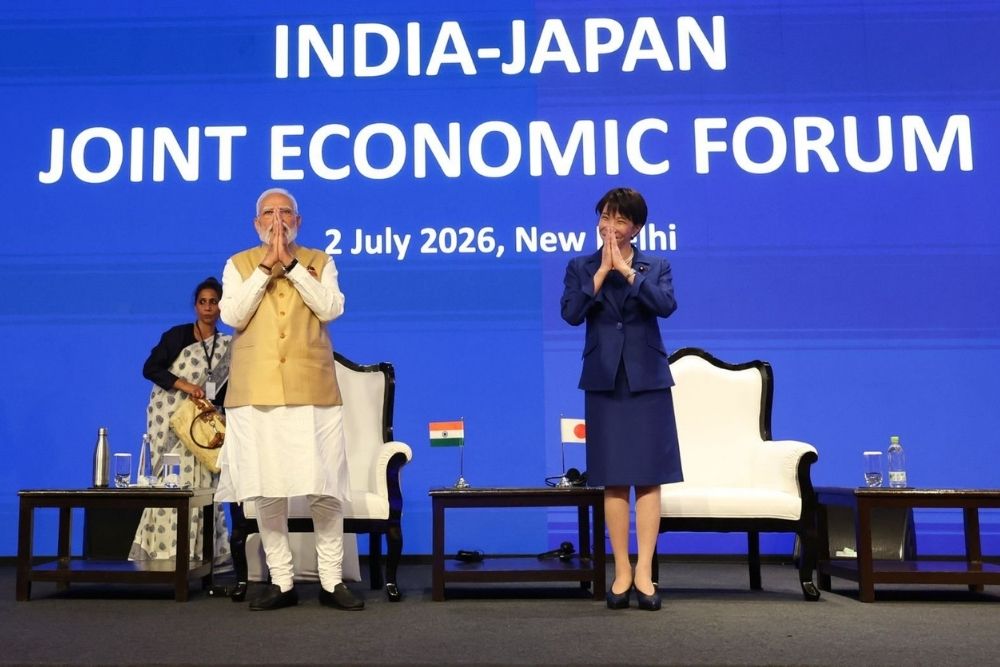
India and Japan have agreed to boost their cooperation in artificial intelligence, metals, energy, and defense while preparing a joint roadmap for economic security, illustrating the deepening alignment between the two Asian powers as they navigate the turbulent international landscape that the Chinese assertiveness and the great-power competition have created.
The agreements, signed after the talks between Prime Ministers Modi and Takaichi during her three-day visit to New Delhi, reflect the mutually complementary relationship that Takaichi described as increasingly important amid the turbulence, with the three landmark documents on economic security, energy resilience, and AI capturing the breadth of the strategic partnership.
Europe’s gas security now depends on a difficult refill season
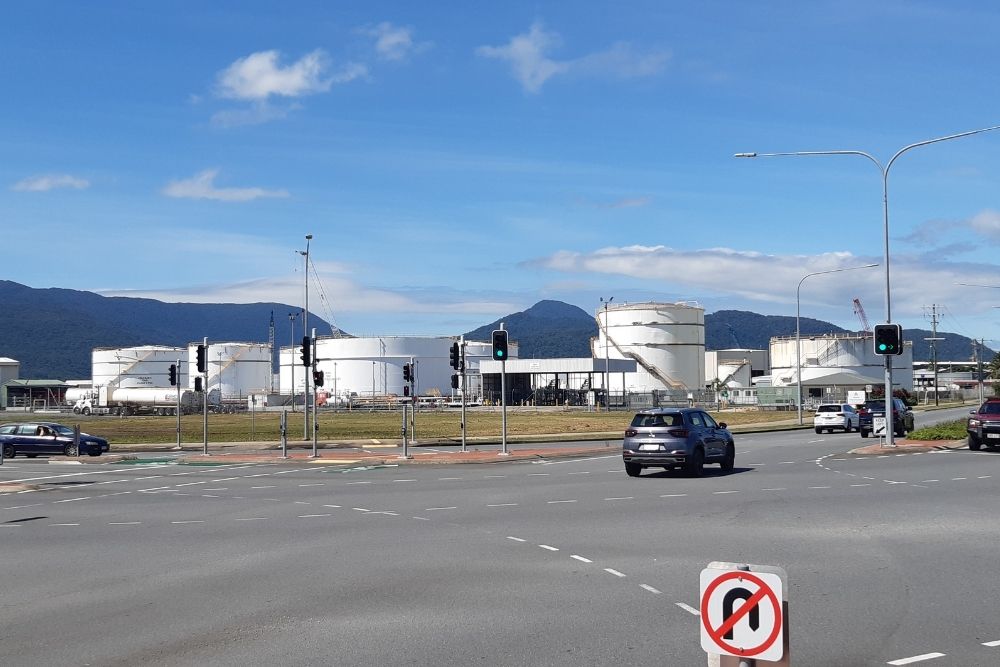
Europe’s gas security problem is moving from a winter crisis narrative to a summer stockpiling crisis. The immediate risk is not that households will run out of gas tomorrow, but that Europe may fail to rebuild enough storage before the next heating season if the disruption around the Strait of Hormuz continues.
Senior Equinor executives have warned that if the closure of the waterway persists for another one to three months, the continent’s gas storage position could become critical. That warning matters because Europe entered the refill season with unusually low stocks, distorted price incentives and a global LNG market already strained by the Iran war.