
Metals industry asks the EU to invest more in minerals processing
- September 8, 2023
- Posted by: Quatro Strategies
- Categories: Europe, Mining & Metals, Rare Earths & Commodities
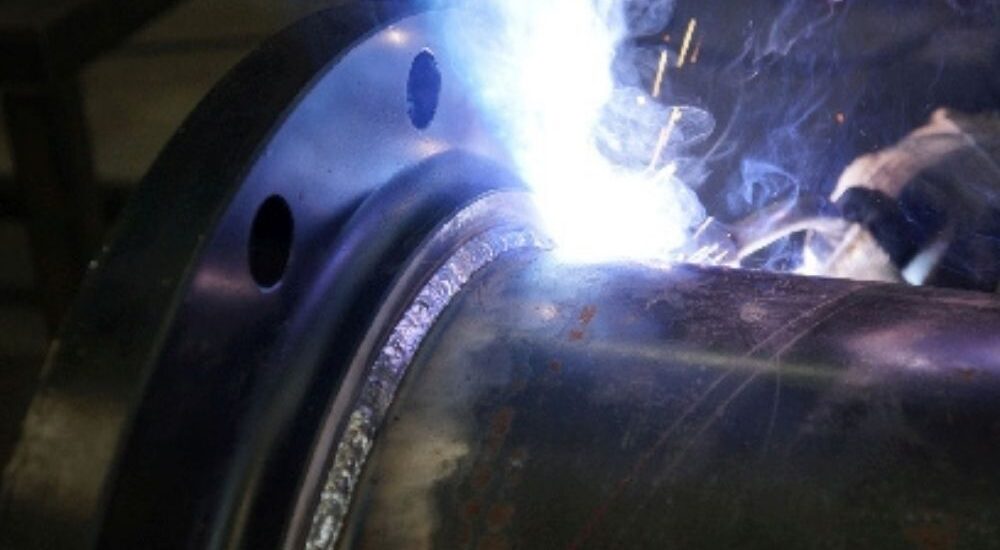
Metal producers and consumers in Europe have urged the European Union (EU) to increase its investments in expanding processing capacity for critical minerals necessary for the energy transition, including those used in electric vehicles (EVs). In a letter to EU Commission President Ursula von der Leyen, industry association Eurometaux requested that the EU’s Innovation Fund, which primarily focuses on decarbonizing energy-intensive industries, should also incorporate critical minerals into its mandate.
The letter stressed the growing importance of these minerals, especially as China and the United States increasingly dominate the production and processing of these resources. China, in particular, controls a significant portion of cleantech manufacturing and critical minerals processing capacities, making it essential for Europe to boost its capabilities in this sector.
The letter was signed by prominent companies, including Rio Tinto, Norsk Hydro, Albemarle, Umicore, Northvolt, Solvay, and Aurubis. It suggested that the EU Innovation Fund could support the processing of critical minerals by replicating the model of the EU’s Hydrogen Bank, which was established to bridge the cost gap between renewable hydrogen and fossil fuels.
The letter also criticized the EU’s Strategic Technologies for Europe Platform, stating that it is not sufficiently focused or targeted to provide the necessary support for the critical minerals value chain’s scaling, conversion, processing, and refining operations.
Interested in learning more?
Sign up for Top Insights Today

Top Insights Today delivers the latest insights straight to your inbox.
You will get daily industry insights on
Oil & Gas, Rare Earths & Commodities, Mining & Metals, EVs & Battery Technology, ESG & Renewable Energy, AI & Semiconductors, Aerospace & Defense, Sanctions & Regulation, Business & Politics.
Read more insights
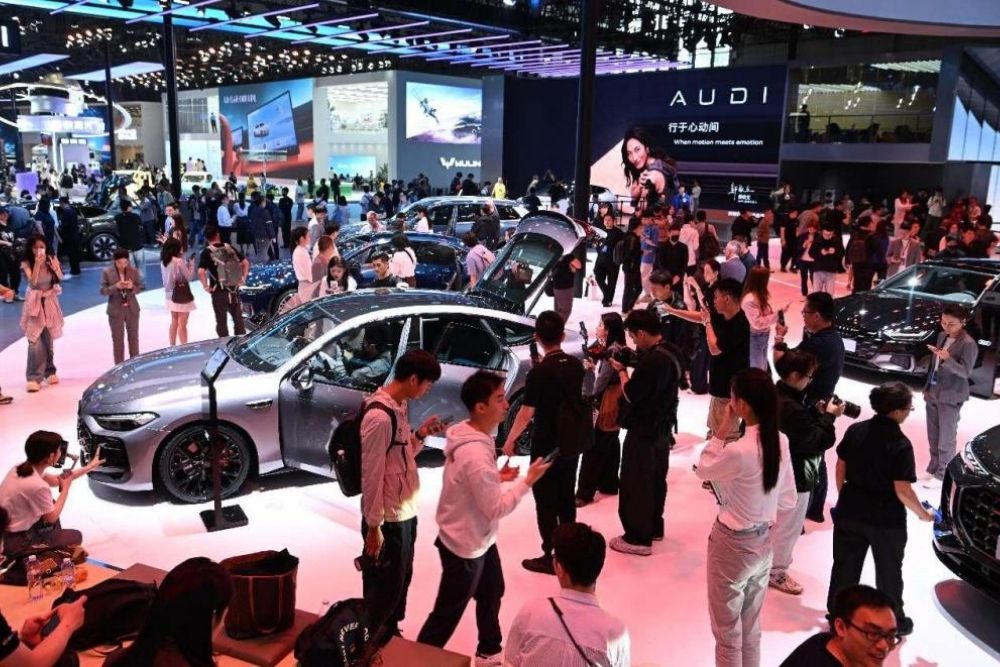
Despite rhetoric, China still needs U.S. chips to keep auto industry moving
At a recent electronics fair in Shanghai, Chinese semiconductor companies were out in force, showcasing their ambitions with bold slogans like “Offering complete domestic solutions” and “Use Chinese chips, love Chinese chips.” These catchphrases reflect Beijing’s push for technological self-reliance. But despite the patriotic marketing, China’s dependence on certain American semiconductors remains stark—especially in key industrial sectors like automotive manufacturing.
That reality was thrown into sharp relief in late April when China unexpectedly lifted its 125% retaliatory tariffs on eight categories of U.S.-made chips. The decision, which followed lobbying by major Chinese automakers, reveals how difficult it has been for China to reduce its reliance on foreign semiconductors, particularly in areas where domestic substitutes remain immature or untested.
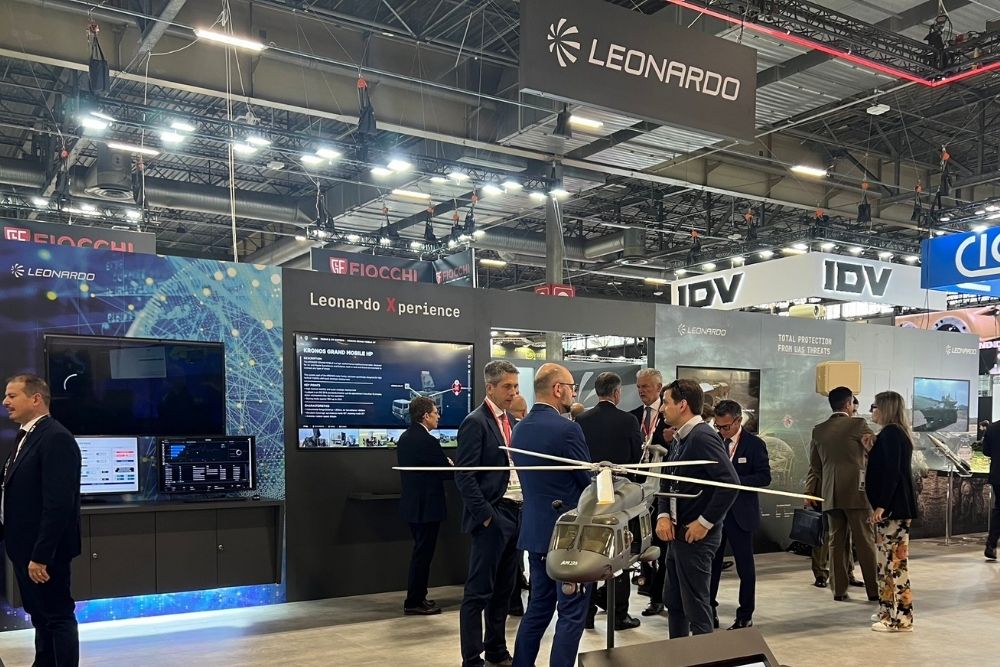
As defense spending surges, European funds reevaluate military stocks
European asset managers are shifting their stance on defense investments as geopolitical pressures mount and client demand grows. With the European Union seeking around €800 billion ($870 billion) to bolster its defense capabilities, major asset managers are reconsidering long-standing exclusions on defense stocks.
The urgency has increased following U.S. President Donald Trump’s calls for Europe to take greater responsibility for its own security, reinforcing the need for stronger military investment. This shift has been further driven by the recent surge in European defense stocks, such as Rheinmetall and Leonardo, which have reached record highs, making them increasingly difficult for asset managers to overlook.
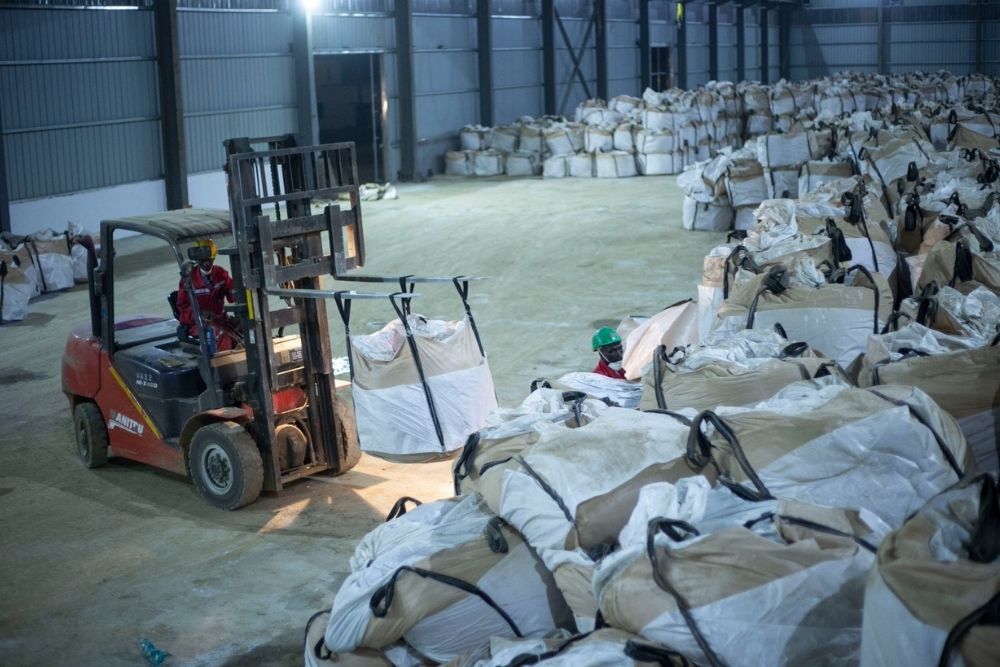
Zimbabwe to ban lithium concentrate exports by 2027
Zimbabwe announced on Tuesday that it will prohibit the export of lithium concentrates beginning in January 2027, marking a significant escalation in the country’s industrial policy aimed at capturing more value from its vast mineral resources. Mines Minister Winston Chitando confirmed the decision at a press briefing following a cabinet meeting, stating that the move is a direct result of new domestic processing infrastructure coming online.
The southern African nation—home to some of the continent’s largest lithium reserves—has been steadily tightening controls over the export of raw and semi-processed lithium since 2022. It banned the shipment of unprocessed lithium ore that year and has since been pressing mining firms to invest in downstream facilities to refine lithium into higher-value chemical compounds used in battery manufacturing.