
Metals industry asks the EU to invest more in minerals processing
- September 8, 2023
- Posted by: Quatro Strategies
- Categories: Europe, Mining & Metals, Rare Earths & Commodities
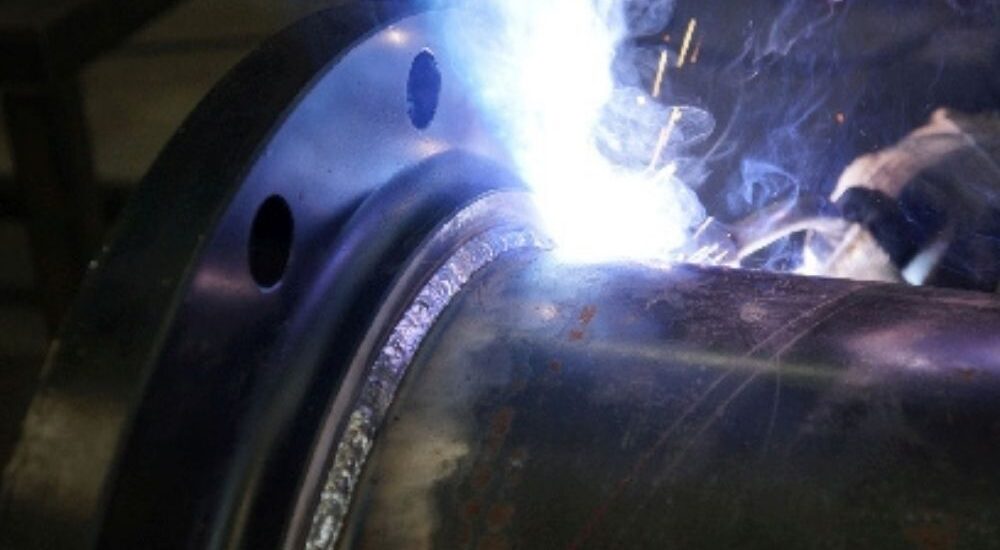
Metal producers and consumers in Europe have urged the European Union (EU) to increase its investments in expanding processing capacity for critical minerals necessary for the energy transition, including those used in electric vehicles (EVs). In a letter to EU Commission President Ursula von der Leyen, industry association Eurometaux requested that the EU’s Innovation Fund, which primarily focuses on decarbonizing energy-intensive industries, should also incorporate critical minerals into its mandate.
The letter stressed the growing importance of these minerals, especially as China and the United States increasingly dominate the production and processing of these resources. China, in particular, controls a significant portion of cleantech manufacturing and critical minerals processing capacities, making it essential for Europe to boost its capabilities in this sector.
The letter was signed by prominent companies, including Rio Tinto, Norsk Hydro, Albemarle, Umicore, Northvolt, Solvay, and Aurubis. It suggested that the EU Innovation Fund could support the processing of critical minerals by replicating the model of the EU’s Hydrogen Bank, which was established to bridge the cost gap between renewable hydrogen and fossil fuels.
The letter also criticized the EU’s Strategic Technologies for Europe Platform, stating that it is not sufficiently focused or targeted to provide the necessary support for the critical minerals value chain’s scaling, conversion, processing, and refining operations.
Interested in learning more?
Sign up for Top Insights Today

Top Insights Today delivers the latest insights straight to your inbox.
You will get daily industry insights on
Oil & Gas, Rare Earths & Commodities, Mining & Metals, EVs & Battery Technology, ESG & Renewable Energy, AI & Semiconductors, Aerospace & Defense, Sanctions & Regulation, Business & Politics.
Read more insights
China grows 5.2% in Q2, masking fragile consumer demand, deflation fears
China’s economy slowed less than expected in the second quarter, showing a degree of resilience against the headwinds from U.S. tariffs and domestic challenges. However, analysts warn that weak household demand, entrenched deflationary pressures, and escalating global trade risks mean Beijing will likely face growing pressure to deploy more stimulus to sustain growth.
China’s gross domestic product (GDP) expanded by 5.2% year-on-year in the April-June period, moderating slightly from the 5.4% pace in the first quarter but coming in just above market expectations. The numbers reflect how the world’s second-largest economy has so far avoided a sharp downturn thanks to policy support measures and a wave of front-loaded exports taking advantage of a temporary U.S.-China tariff truce.
Oil producers rush to lock in prices as derivatives trading explodes
The unprecedented surge in energy derivatives trading volume following the Iranian crisis, with a record 12.7 million futures and options contracts changing hands in a single session, reveals how sophisticated financial markets attempt to manage catastrophic geopolitical risk through hedging mechanisms that simultaneously provide profit opportunities for speculators and risk mitigation for producers.
The frantic coordination between American oil producers and trading counterparties to lock in elevated prices before markets opened demonstrates acute awareness that Strait of Hormuz closure threatens to fundamentally alter global energy economics, yet the gap between apocalyptic analyst predictions of oil approaching $100 per barrel and actual opening prices around $81 suggests that even amid crisis, market participants maintain surprising skepticism about worst-case scenarios materializing.
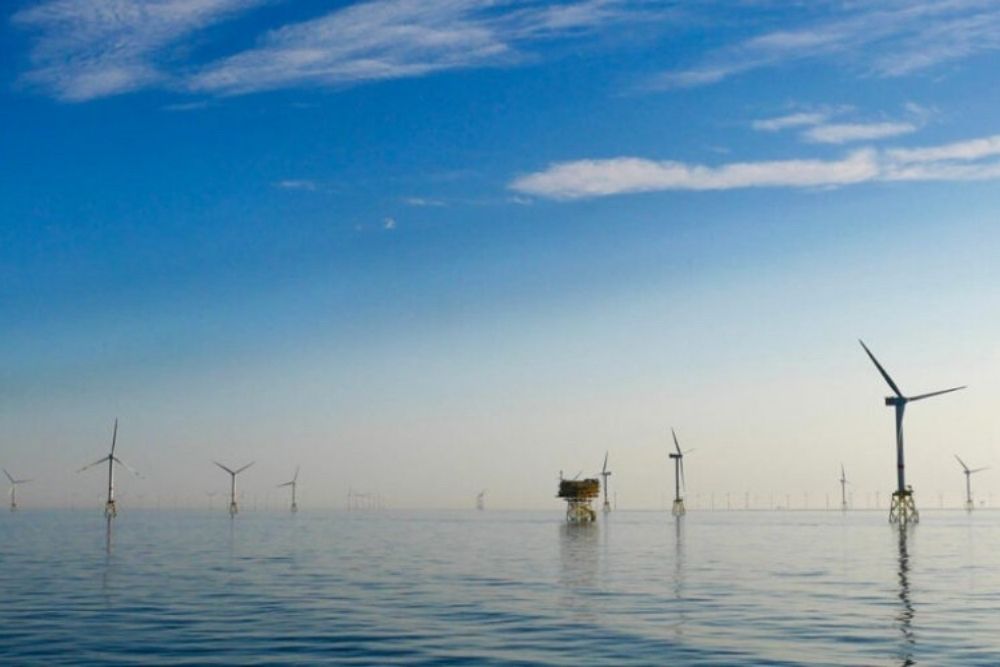
German funding for Cuxhaven terminal expansion applauded by offshore wind industry
The German Offshore Wind Energy Foundation has lauded the government’s decision to support the expansion of an offshore terminal, emphasizing its importance in achieving the expansion goals for wind energy at sea. The foundation issued a statement on Friday expressing its approval of the…