
China’s CMOC set to boost copper production in DR Congo mine
- September 8, 2023
- Posted by: Quatro Strategies
- Categories: Africa, China, Mining & Metals, Rare Earths & Commodities

China Molybdenum Co., Ltd. (CMOC), a Chinese mining company, is poised to significantly boost its copper production in the Democratic Republic of Congo (DRC) to an impressive 600,000 metric tons next year. This substantial increase in output comes after CMOC recently resolved a dispute with the DRC’s state-owned miner, Gecamines, which led to a temporary ban on copper and cobalt exports earlier this year.
To achieve this notable expansion, CMOC plans to enhance its copper production by adding more production lines at the Tenke Fungurume Mining (TFM) facility. As a result of this initiative, copper output at TFM is projected to reach 450,000 tons in the upcoming year. Furthermore, CMOC aims to generate an additional 150,000 tons of copper at the KFM mine, previously known as Kisanfu, which began production this year.
The Chinese mining giant has not provided an output forecast for cobalt in the upcoming year. However, if successful in its endeavors, CMOC will become one of the world’s top ten copper producers, with ambitions to surpass Glencore and claim the title of the world’s largest cobalt producer.
The DRC is globally recognized as the leading supplier of cobalt and ranks third in copper production, following only Peru and Chile. CMOC has expressed its commitment to continuing the exploration of the enormous resource potential at TFM and KFM as long as the power supply shortage in the DRC is alleviated.
CMOC had previously suspended copper and cobalt exports from the DRC due to a dispute with Congolese authorities. However, the mining company resumed shipments in May 2023 and anticipates completing the de-stocking process by the end of the month, with the transportation of around 240,000 tons of copper currently in stock.
Interested in learning more?
Sign up for Top Insights Today

Top Insights Today delivers the latest insights straight to your inbox.
You will get daily industry insights on
Oil & Gas, Rare Earths & Commodities, Mining & Metals, EVs & Battery Technology, ESG & Renewable Energy, AI & Semiconductors, Aerospace & Defense, Sanctions & Regulation, Business & Politics.
Read more insights
EU is preparing a broader trade offensive against Chinese Imports
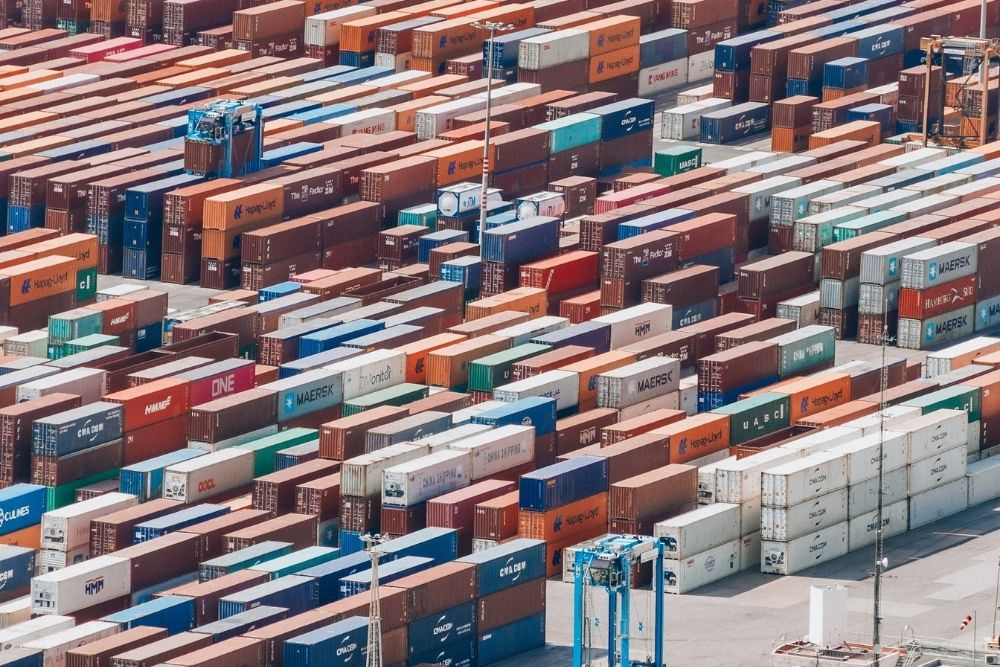
The European Union is preparing a broader intervention in trade with China as pressure on its manufacturing base pushes Brussels towards import restrictions across several industries. Chemicals, furniture and machinery are among the sectors under consideration, according to people familiar with the discussions.
The emerging strategy would combine negotiated limits, trade-defence measures and stronger economic-security powers, using access to the European market as leverage while seeking to contain the risk of Chinese retaliation. Proposals could be presented as early as the first quarter of 2027, although the product coverage, restrictions and timetable remain unsettled.
Beijing chooses discipline over rescue as growth slips below target
Markets had been waiting for the Politburo meeting since July 15, when second-quarter growth came in at 4.3 percent, the slowest in more than three years, down from 5.0 percent in the first quarter and below the floor of the government’s 4.5 to 5.0 percent annual target.
It convened on Thursday, acknowledged difficulties and challenges facing the economy, and declined to do the thing everyone was watching for. There will be no large stimulus package. There will be faster spending of money already budgeted, and a continued campaign against the price wars that Beijing refuses to call overcapacity.
Minerals become the new front in Trump’s economic war with China
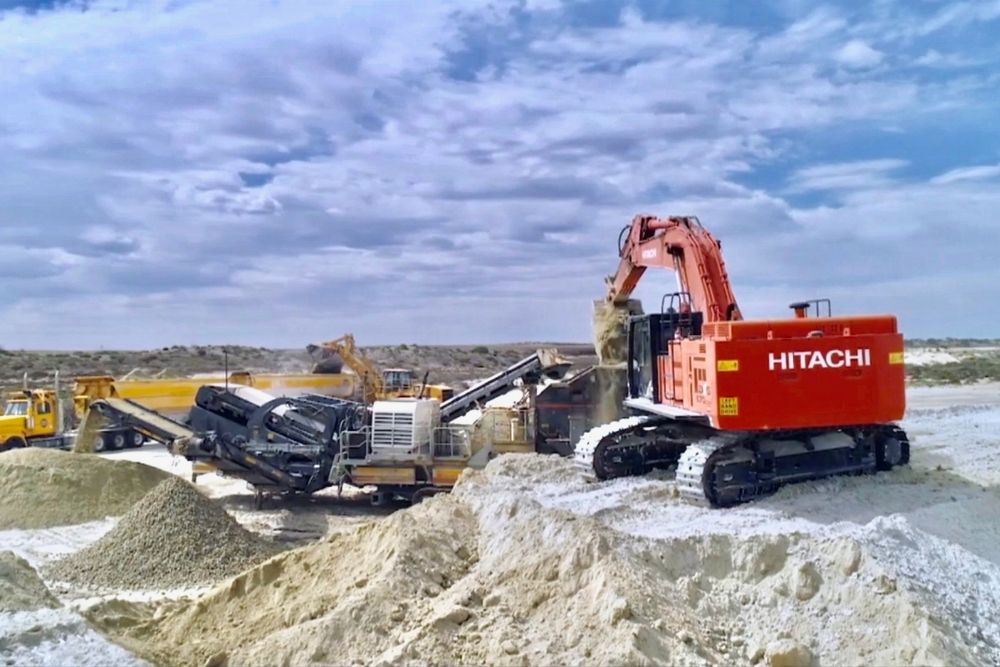
In a major escalation of his trade war strategy, U.S. President Donald Trump has ordered a sweeping investigation into the United States’ dependence on foreign critical minerals—an essential input for everything from fighter jets and electric vehicles to smartphones and wind turbines. The move could pave the way for broad new tariffs targeting a sector that has become a cornerstone of China’s geopolitical leverage.
The executive order, signed Tuesday, directs Commerce Secretary Howard Lutnick to conduct a national security review under Section 232 of the Trade Expansion Act of 1962, the same legal mechanism Trump previously used to impose global tariffs on steel, aluminum, and, more recently, copper.