
China’s CMOC set to boost copper production in DR Congo mine
- September 8, 2023
- Posted by: Quatro Strategies
- Categories: Africa, China, Mining & Metals, Rare Earths & Commodities

China Molybdenum Co., Ltd. (CMOC), a Chinese mining company, is poised to significantly boost its copper production in the Democratic Republic of Congo (DRC) to an impressive 600,000 metric tons next year. This substantial increase in output comes after CMOC recently resolved a dispute with the DRC’s state-owned miner, Gecamines, which led to a temporary ban on copper and cobalt exports earlier this year.
To achieve this notable expansion, CMOC plans to enhance its copper production by adding more production lines at the Tenke Fungurume Mining (TFM) facility. As a result of this initiative, copper output at TFM is projected to reach 450,000 tons in the upcoming year. Furthermore, CMOC aims to generate an additional 150,000 tons of copper at the KFM mine, previously known as Kisanfu, which began production this year.
The Chinese mining giant has not provided an output forecast for cobalt in the upcoming year. However, if successful in its endeavors, CMOC will become one of the world’s top ten copper producers, with ambitions to surpass Glencore and claim the title of the world’s largest cobalt producer.
The DRC is globally recognized as the leading supplier of cobalt and ranks third in copper production, following only Peru and Chile. CMOC has expressed its commitment to continuing the exploration of the enormous resource potential at TFM and KFM as long as the power supply shortage in the DRC is alleviated.
CMOC had previously suspended copper and cobalt exports from the DRC due to a dispute with Congolese authorities. However, the mining company resumed shipments in May 2023 and anticipates completing the de-stocking process by the end of the month, with the transportation of around 240,000 tons of copper currently in stock.
Interested in learning more?
Sign up for Top Insights Today

Top Insights Today delivers the latest insights straight to your inbox.
You will get daily industry insights on
Oil & Gas, Rare Earths & Commodities, Mining & Metals, EVs & Battery Technology, ESG & Renewable Energy, AI & Semiconductors, Aerospace & Defense, Sanctions & Regulation, Business & Politics.
Read more insights
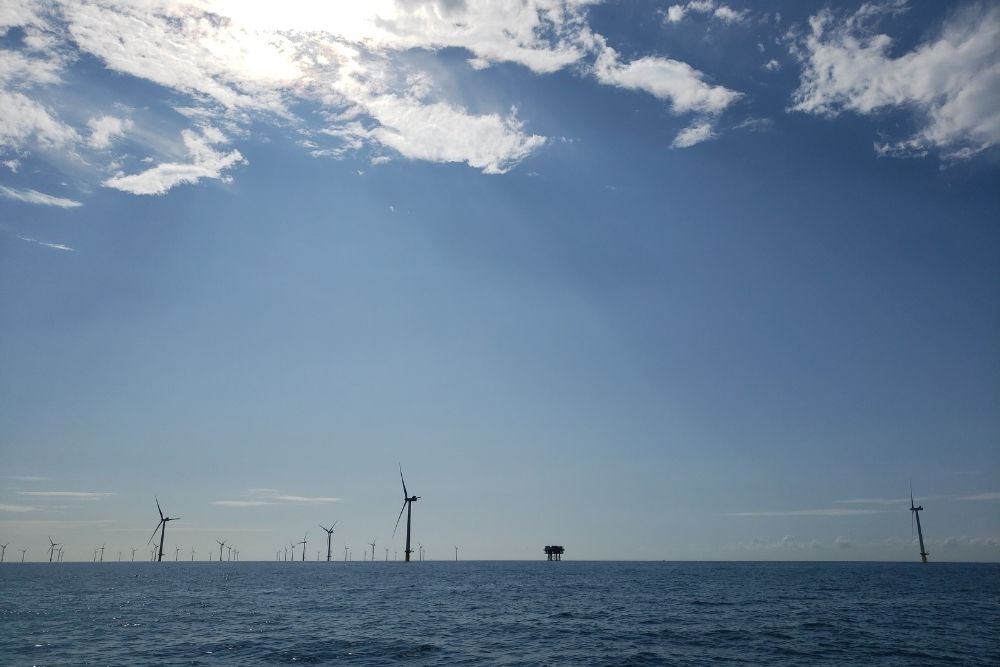
Trump pulls $680 million from offshore wind projects
The Trump administration has moved to pull back nearly $680 million in federal funding from a dozen offshore wind projects, a step that underscores its determination to dismantle one of the signature pillars of the Biden-era energy transition.
The most significant of the canceled allocations is the $427 million grant for the Humboldt Bay offshore wind terminal in northern California, which was intended to become the first dedicated facility on the Pacific Coast for assembling, staging, and maintaining offshore turbines. By scrapping the grant, the administration has effectively derailed a project designed to serve as the anchor for West Coast offshore wind development.
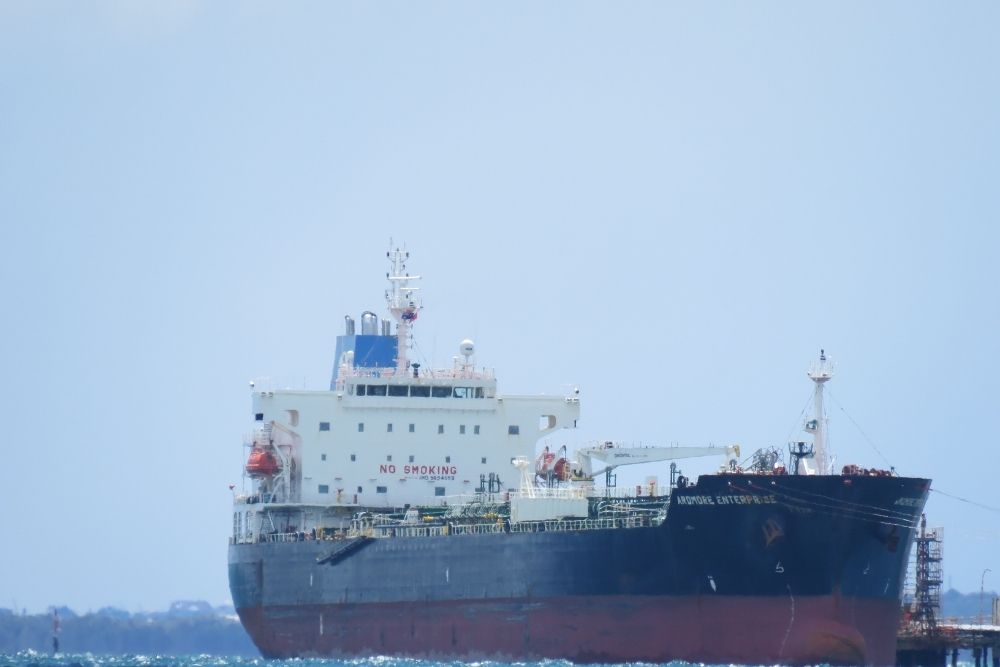
Ceasefire cools futures, but Hormuz disruption keeps oil market tight
A ceasefire may have taken some of the panic out of oil futures, but it has not resolved the real problem in the physical market: the Strait of Hormuz is still functioning far below normal levels, and that means the global scramble for barrels remains alive. The market’s initial relief rally reflected hope that a pause in fighting would quickly unlock trapped crude and restore Gulf exports.
Yet the hard evidence points to a much slower and more fragile normalization. Shipping traffic through Hormuz remains severely depressed, with fewer than 10% of normal vessel movements recorded on April 9, and only seven ships passing in 24 hours versus a usual level of roughly 140.
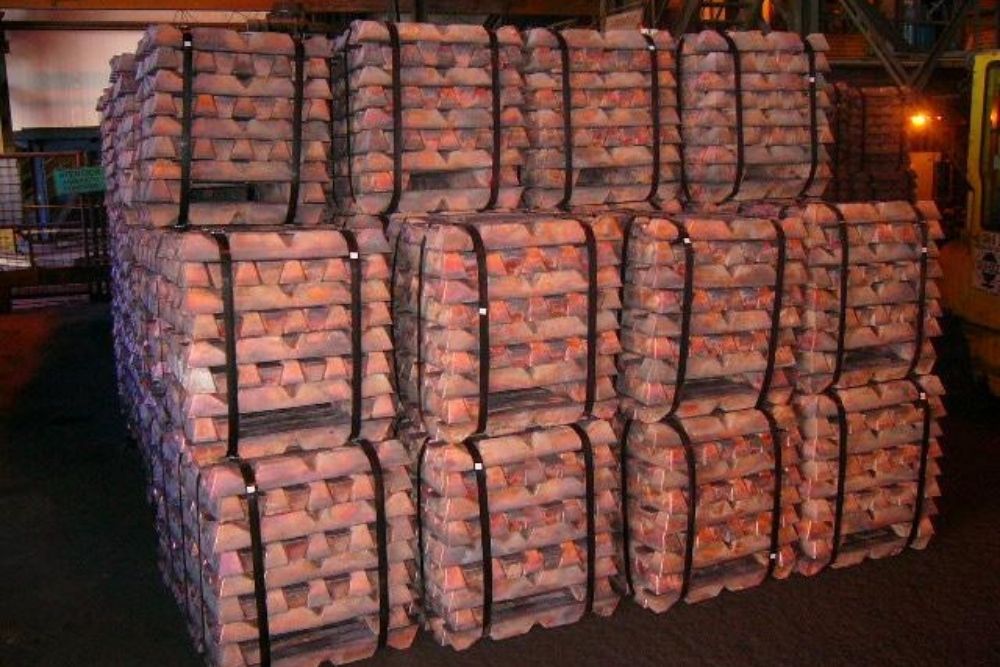
China sets new record for copper exports as domestic demand slows
China’s refined copper exports hit a record high in June, reflecting a significant shift in market dynamics. Shipments surged to 157,751 tons, more than doubling from May and surpassing the previous record of 102,000 tons set in 2012. This sharp increase follows recent data showing a rise in exports of unwrought copper and copper…