
Japan’s Chubu Electric buys stake in U.S. SMR developer NuScale
- September 13, 2023
- Posted by: Quatro Strategies
- Categories: Asia Pacific, ESG & Renewable Energy, United States
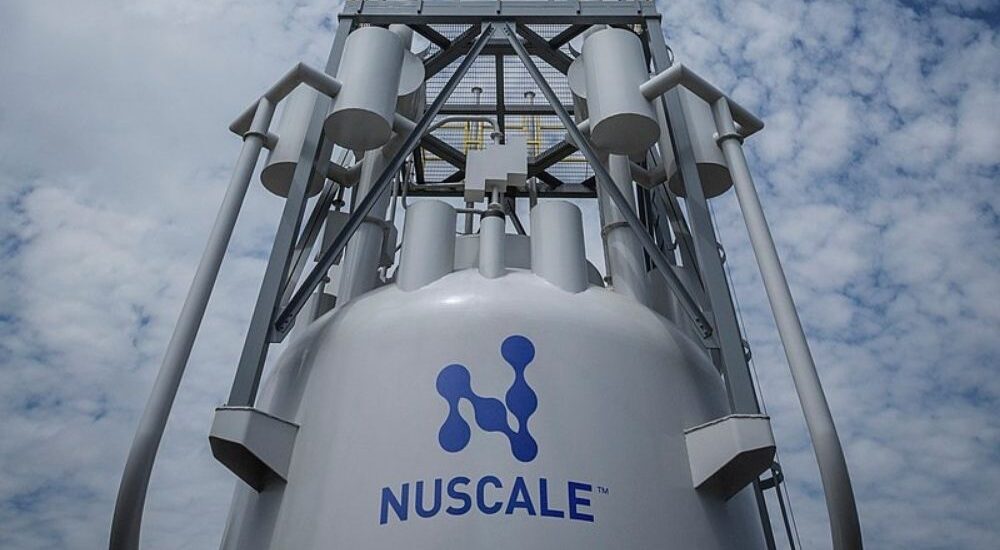
Japan’s Chubu Electric Power has announced plans to purchase a stake in U.S.-based NuScale Power from the Japan Bank for International Cooperation (JBIC). The move signifies Chubu Electric Power’s commitment to small modular nuclear reactors as part of its efforts to address climate change. Japan has experienced a significant policy shift in the nuclear power sector, prompted by the 2011 Fukushima disaster and ongoing energy concerns.
The specifics of the stake, such as its size and price, were not disclosed. However, Chubu Electric Power indicated its intention to take “not more than a majority of the JBIC’s holdings.” JBIC, alongside two Japanese companies—JGC Holdings Corp and IHI Corp—acquired a total of 8.5% of NuScale in 2022, with JBIC investing approximately $110 million.
Small modular reactors (SMRs) are considered a promising option due to their quicker construction and lower costs compared to conventional nuclear units. In the U.S., the Biden administration views the development of SMRs and the maintenance of existing nuclear plants as critical to its goal of achieving a carbon-neutral economy by 2050.
While the adoption of SMRs in Japan may not occur immediately, Chubu Electric Power expressed high expectations for the future development of next-generation reactors in the country. The acquisition by Chubu Electric Power is subject to approval by U.S. authorities, with the process expected to take around one month.
Interested in learning more?
Sign up for Top Insights Today

Top Insights Today delivers the latest insights straight to your inbox.
You will get daily industry insights on
Oil & Gas, Rare Earths & Commodities, Mining & Metals, EVs & Battery Technology, ESG & Renewable Energy, AI & Semiconductors, Aerospace & Defense, Sanctions & Regulation, Business & Politics.
Read more insights
China’s rare-earth clamp squeezes Europe’s carmakers as stockpiles run dry
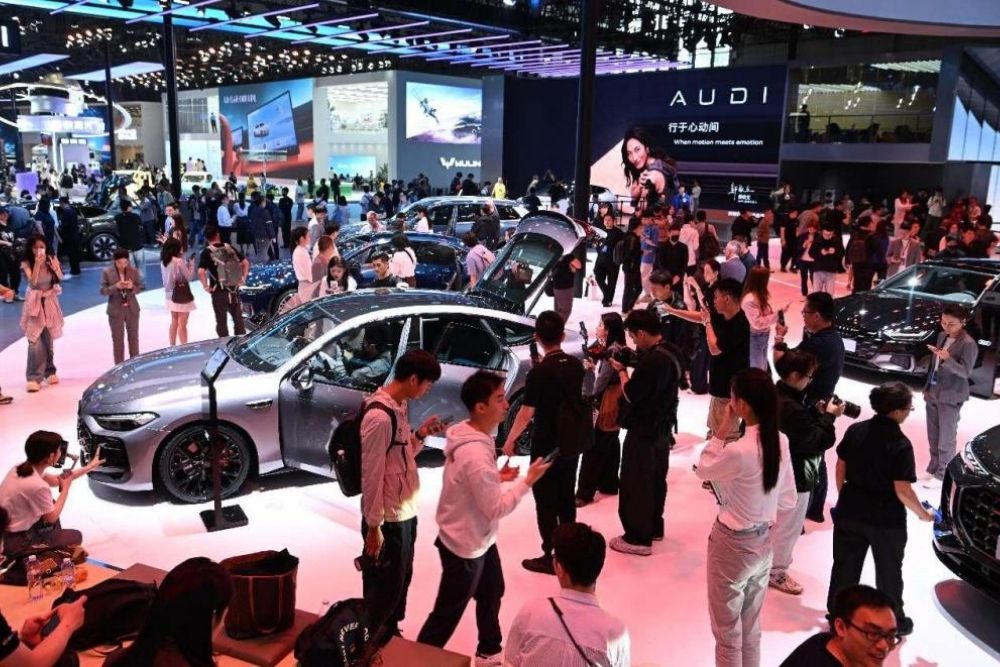
Europe’s carmakers are staring at the wrong end of a lever they’ve long known existed. Beijing has tightened its rare-earth export regime again, this time folding in more elements, processing know-how, and end-use scrutiny aimed at sensitive sectors, and industry groups from Germany to Italy are warning that the buffers that cushioned the spring and summer shocks are nearly gone.
Automakers managed through earlier curbs by drawing down stocks at component makers and specialty traders. Those cupboards are now thin, and the new rules bite deeper into the midstream where permanent magnets, polishing compounds, dopants and specialty alloys are made. The result is not a dramatic, immediate shutdown so much as a steady rise in late deliveries, renegotiated contracts, and “expedite” fees that quietly inflate the cost of electrification.
Global bonds enter a new regime of scarcity and competition
The selling that broke thirty-year records on Tuesday did not stop on Wednesday. Ten-year Treasury yields reached 4.81 percent, a near three-year high, with the two-year at 4.41 percent, the highest since January 2025. Japan’s ten-year held above 3 percent at 3.01. Australian ten-year yields hit 5.198 percent, the highest in over fifteen years. German bund futures fell to their lowest since 2011 and French OAT futures reached a record low.
Brent crude at 95.61 dollars, up 1 percent after gaining nearly 6 percent the previous session, is the proximate cause. The deeper one is arithmetic. The OECD puts the global bond market at roughly 109 trillion dollars, with governments and companies expected to borrow a record 29 trillion this year.
Algeria advances African gas corridor as Europe diversifies supply
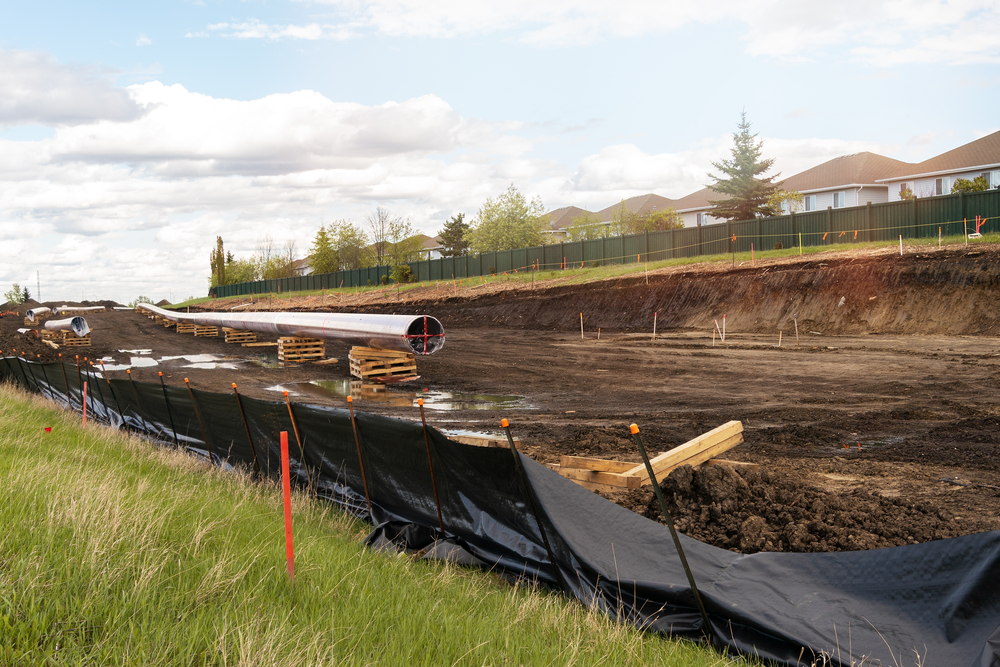
Algeria has begun construction on its section of the long-envisioned Trans-Saharan Gas Pipeline, an ambitious project decades in the making that would carry natural gas from Nigeria across the Sahara to European markets, advancing one of several African energy corridors that have gained renewed momentum as Europe scrambles to diversify its gas supply away from both Russia and the disrupted Middle East.
The 1,210-kilometer Algerian segment, to be built by state-owned Sonatrach, will connect to the existing pipeline system in the Aoulef region that already supplies Europe, reinforcing Algeria’s position as a major gas provider to Spain, Italy, and France.