
Mining sector having difficulty meeting decarbonization targets
- September 11, 2023
- Posted by: Quatro Strategies
- Category: Mining & Metals
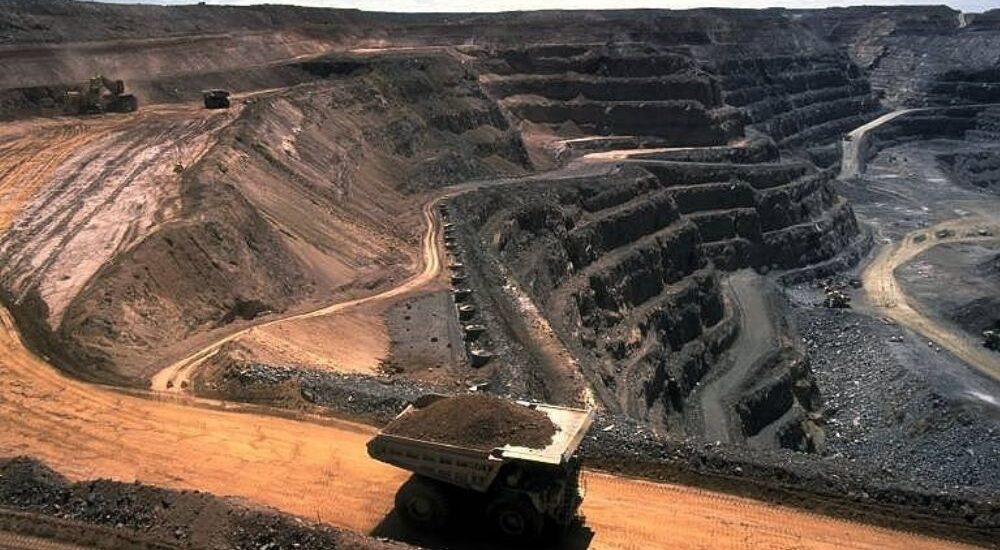
A lack of consistent and transparent data to measure emissions along the supply chain of mining companies is hindering efforts to monitor and meet decarbonization targets within the sector. Mining is a critical industry for supplying the raw materials needed for electric vehicles and renewable energy infrastructure, yet it also contributes to 4% to 7% of global greenhouse gas emissions.
The challenge lies in the complexity of the supply chain. Mining companies produce metals used in various industries, serving customers across different regions, making it difficult to track emissions across the entire value chain. This issue is further complicated by varying levels of transparency from suppliers.
To address this problem, the International Council on Mining and Metals (ICMM), which includes approximately 25 mining companies, has published guidance for mining companies on how to account for and report their Scope 3 emissions. Scope 3 emissions are indirect emissions, such as those originating from third-party suppliers. This guidance aims to create a consistent reporting framework and help companies better account for their emissions.
Many mining companies have set decarbonization targets with the goal of achieving net-zero emissions by 2040 or 2050. However, some are facing challenges in meeting these targets. For example, Rio Tinto, the world’s second-largest mining company, announced in July that it might miss its 2025 target unless it resorts to purchasing carbon offsets.
Investors are increasingly looking for mining companies to align their targets with net-zero goals across all scopes of emissions (Scope 1, 2, and 3) and to set clear short, medium, and long-term targets to demonstrate their commitment to reducing emissions. The challenge for the mining industry lies in ensuring the entire supply chain adheres to these goals, as emissions reductions depend on actions taken by suppliers and partners throughout the value chain.
Interested in learning more?
Sign up for Top Insights Today

Top Insights Today delivers the latest insights straight to your inbox.
You will get daily industry insights on
Oil & Gas, Rare Earths & Commodities, Mining & Metals, EVs & Battery Technology, ESG & Renewable Energy, AI & Semiconductors, Aerospace & Defense, Sanctions & Regulation, Business & Politics.
Read more insights
Record negative power prices in Europe highlight need for energy storage solutions
Europe has experienced a record number of hours with negative power prices this year due to a mismatch between supply and demand, as solar power generation surges. This situation may drive investment towards essential storage solutions. During the first five months of this year, key European wholesale power markets…

American Lithium sets ambitious 2027 target to open Peru’s first lithium mine
Macusani Yellowcake, a subsidiary of American Lithium, is embarking on an ambitious endeavor in Peru—to open the country’s first lithium mine at an unprecedented pace despite the often slow permitting processes that frequently stall projects for years. Ulises Solis, the CEO of Macusani Yellowcake, expressed optimism about the project’s potential, aiming for operations to commence in 2027.

US national security probe could lead to ban on Chinese connected vehicles
Commerce Secretary Gina Raimondo has indicated that the United States could take “extreme action” such as banning Chinese connected vehicles or imposing restrictions on them following a national security investigation initiated by the Biden administration in February. The investigation aims to assess…