
France’s Orano suspends uranium processing operations in Niger
- September 14, 2023
- Posted by: Quatro Strategies
- Categories: Africa, Europe, Mining & Metals
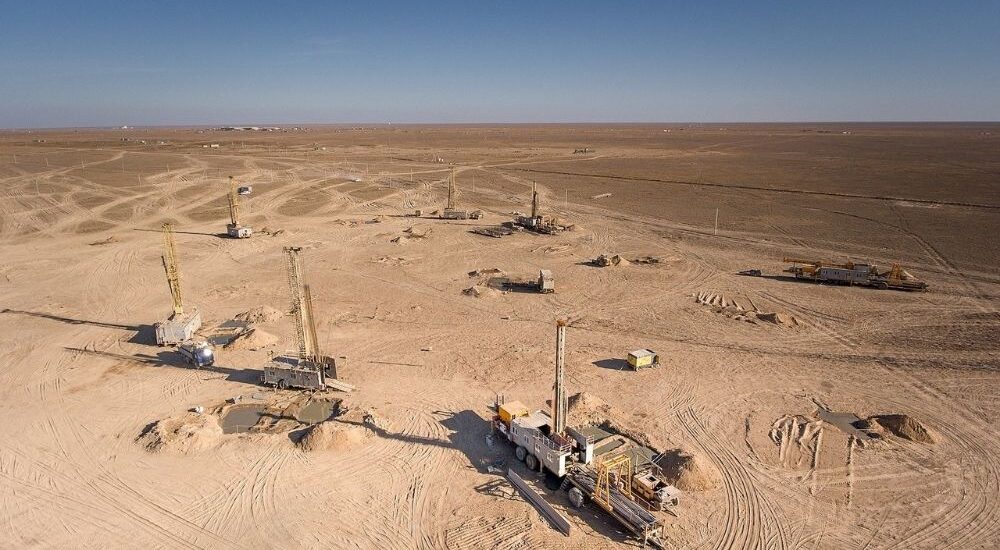
French nuclear group Orano SA is suspending uranium ore processing at one of its facilities in Niger due to international sanctions against the military junta, which are affecting logistics. This move could potentially tighten supplies of uranium used to fuel nuclear reactors in several countries, including the US, China, and Europe, and force utilities to rely more on other producers like Kazakhstan, Canada, and Australia.
Orano’s uranium treatment plant in Niger was originally scheduled for maintenance early next year, but it has been moved forward due to depleting stockpiles of the chemicals needed for processing. Operations are continuing at Orano’s Somair mine, which is partially owned by the Niger government.
Orano typically exports uranium concentrate to Benin, where it is shipped either back to France or to Canada. There are usually 4-6 shipments per year.
To secure supply for its customers, Orano is also sourcing material from mines in Canada and Kazakhstan, where it holds stakes. In the short term, there is no emergency, but the situation highlights the potential impact of geopolitical events on the global uranium supply chain.
Interested in learning more?
Sign up for Top Insights Today

Top Insights Today delivers the latest insights straight to your inbox.
You will get daily industry insights on
Oil & Gas, Rare Earths & Commodities, Mining & Metals, EVs & Battery Technology, ESG & Renewable Energy, AI & Semiconductors, Aerospace & Defense, Sanctions & Regulation, Business & Politics.
Read more insights
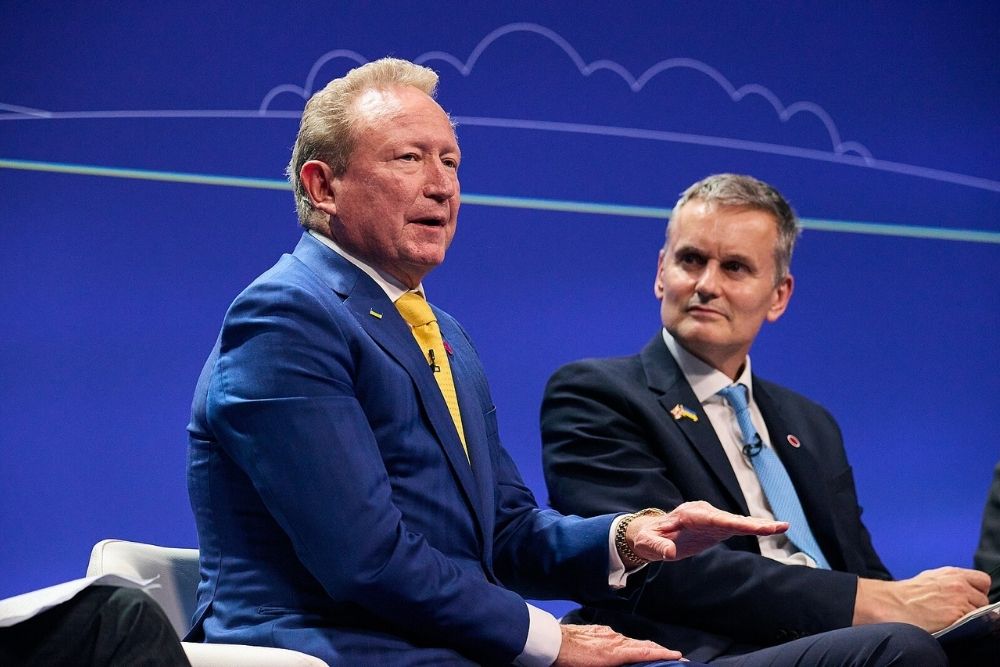
Australia’s Fortescue applied to build Canada green hydrogen facility
Fortescue Future Industries (FFI) has submitted a proposal for “Project Coyote,” a green hydrogen and ammonia production facility located in the British Columbia province of Canada. This facility, planned at the Willow Cale Industrial Park in Prince George, BC, aims to produce approximately 140,000 tons of hydrogen and 700,000 tons of ammonia annually.
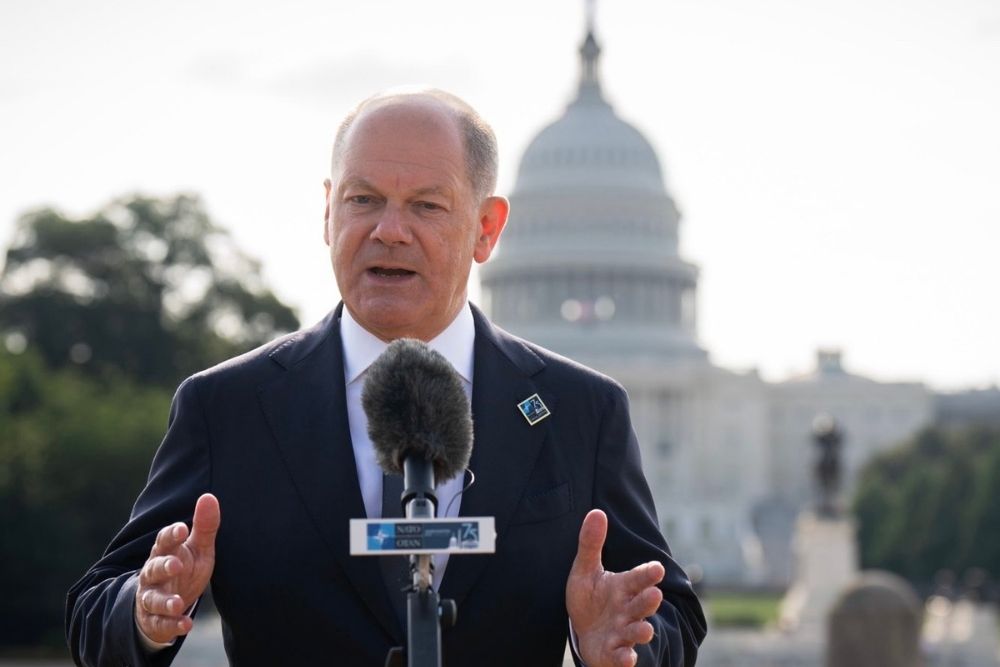
German Chancellor Scholz to discuss raw materials and EV supply chains in Serbia
German Chancellor Olaf Scholz is scheduled to visit Serbia on Friday to hold discussions with President Aleksandar Vučić, with critical raw materials being a primary focus of the trip. Scholz will participate in a critical raw materials summit alongside European Commission Vice President Maroš Šefčovič…
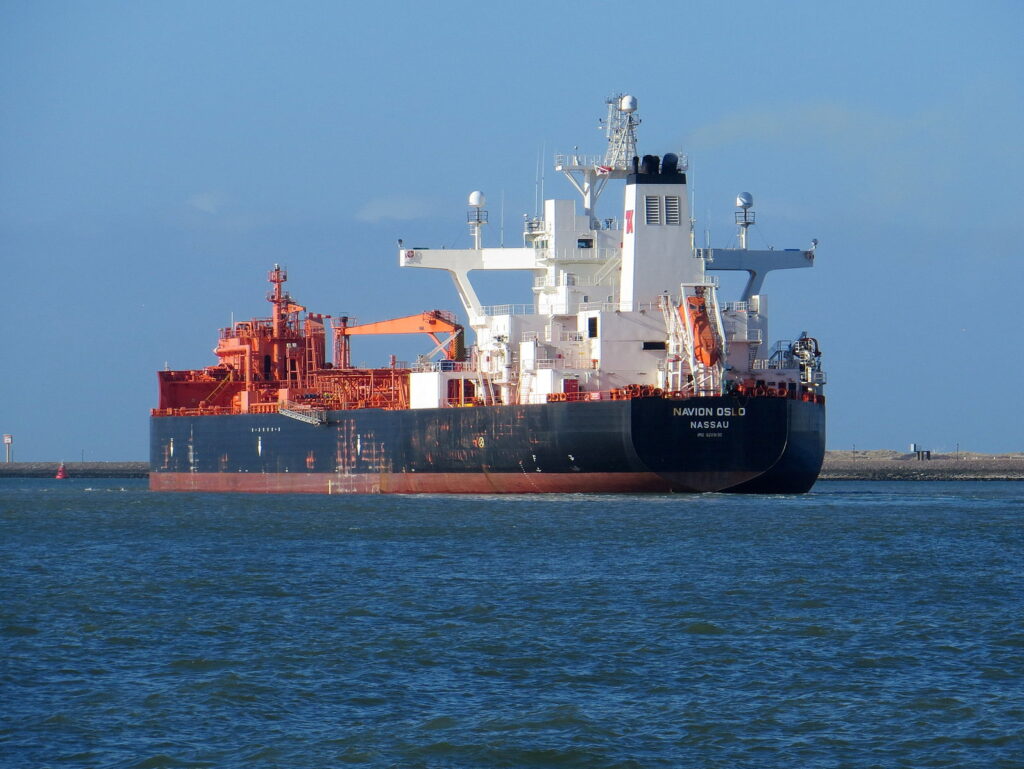
Ethane row with China exposes fragility of U.S. geoeconomic strategy
Although recent U.S. restrictions on ethane exports to China were rescinded within weeks, their lasting impact on trust and commercial ties may prove far more enduring. Top U.S. exporter Energy Transfer warned Wednesday that the temporary curbs, which disrupted shipments and supply chains, have damaged the U.S. industry’s reputation for reliability, particularly with key Chinese petrochemical buyers.
Energy Transfer co-CEO Marshall McCrea said during a post-earnings call that even though restrictions on ethane exports were lifted last month, they “put a little bit of a black eye on us, on our industry, on our country.” The company, one of the leading shippers of U.S. ethane abroad, noted that Chinese buyers are likely to be more hesitant in future deals, potentially complicating long-term commercial relationships.