
ConocoPhillips signs 15-year LNG deal with Dutch natural gas hub
- September 15, 2023
- Posted by: Quatro Strategies
- Categories: Europe, Oil & Gas, United States

ConocoPhillips, a major player in the oil industry, has recently inked a notable 15-year liquefied natural gas (LNG) throughput agreement with Gate Terminal B.V. in the Netherlands. This arrangement, set to commence in 2031, is strategically focused on securing additional regasification capacity within Europe, thereby expanding and fortifying ConocoPhillips’ global footprint in the LNG market. The deal entails a throughput capacity of 1.5 million tonnes per annum of natural gas, a significant volume that underscores the company’s commitment to the LNG sector.
The partnership with Gate Terminal B.V., situated at the Port of Rotterdam, is pivotal in advancing ConocoPhillips’ LNG presence, building upon similar LNG agreements forged by the company since 2022, spanning across Germany, Mexico, and Qatar. These endeavors underscore ConocoPhillips’ concerted efforts to diversify its energy portfolio and pivot towards a more balanced and sustainable model that encompasses LNG, a pivotal component in the evolving global energy landscape.
Bill Bullock, the Chief Financial Officer of ConocoPhillips, emphasized the strategic importance of expanding their LNG footprint through agreements like this. He reiterated that such initiatives further enhance their portfolio, promoting balance, diversification, and attractiveness as they continue to execute their global LNG strategy. Notably, this expansion aligns with ConocoPhillips’ objective to diversify its energy portfolio and venture into cleaner and more sustainable energy sources.
In August, ConocoPhillips also solidified a significant 20-year agreement to receive a collective 2.2 million tons of LNG annually from Mexico Pacific’s Saguaro export facility on the west coast of Mexico. These strategic moves underline the company’s position and commitment in the LNG market, with additional interests and offtake agreements in LNG projects in Qatar, Australia, and the U.S. Gulf Coast’s Port Arthur LNG Phase 1 project, showcasing their far-reaching influence and involvement in the global LNG landscape.
Interested in learning more?
Sign up for Top Insights Today

Top Insights Today delivers the latest insights straight to your inbox.
You will get daily industry insights on
Oil & Gas, Rare Earths & Commodities, Mining & Metals, EVs & Battery Technology, ESG & Renewable Energy, AI & Semiconductors, Aerospace & Defense, Sanctions & Regulation, Business & Politics.
Read more insights
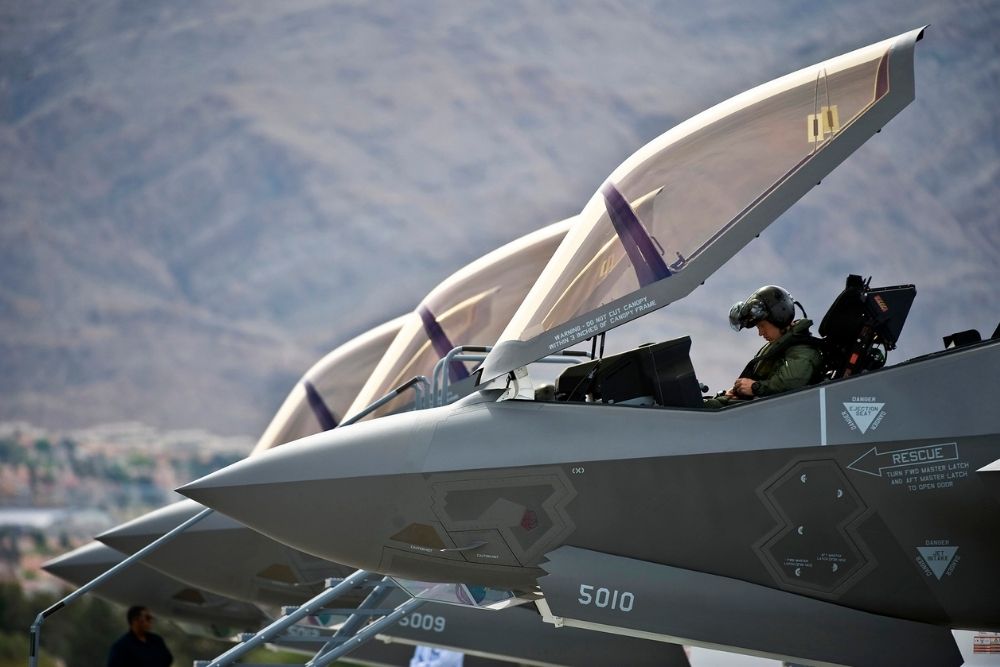
Saudi F-35s would redefine U.S. security bargain in the Gulf
Washington’s approval of a potential F-35 sale to Saudi Arabia would deepen the kingdom’s military relationship with the United States and challenge longstanding assumptions about the regional distribution of advanced American weapons. The proposed package would give Riyadh access to a fighter currently operated in the Middle East only by Israel.
Its immediate significance is diplomatic: it signals a willingness to expand Saudi capabilities despite concerns about regional stability, sensitive technology and Israel’s military advantage. Its operational consequences would emerge over a much longer period.
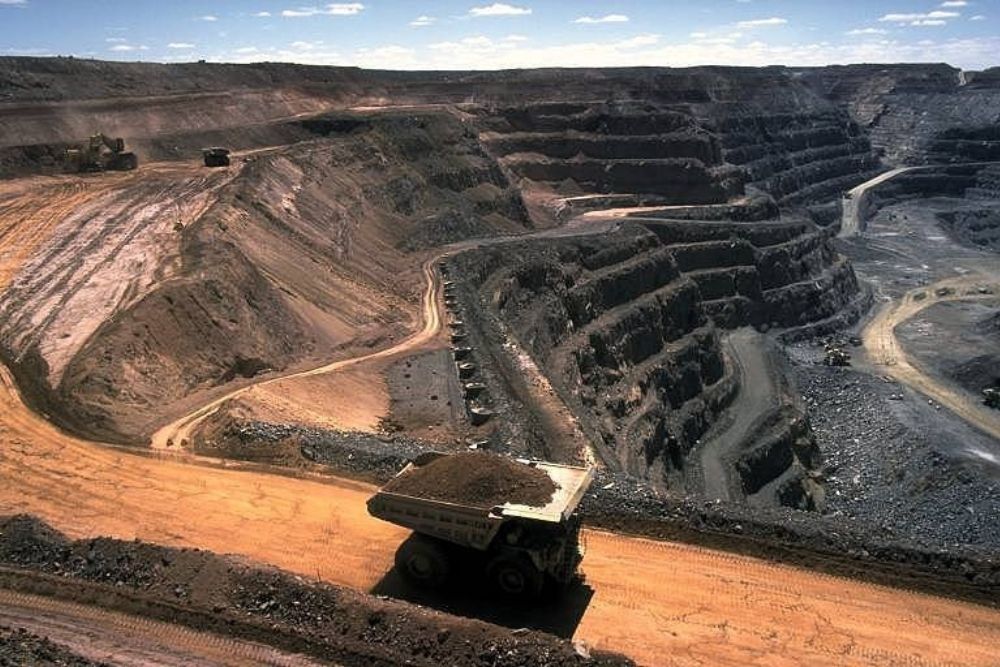
India targets processing tech in global lithium and rare earth talks
India’s talks with Brazil, Canada, France, and the Netherlands on joint critical-minerals deals are the clearest sign yet that New Delhi is shifting from a “buy-and-stockpile” mindset toward an end-to-end supply-chain strategy: co-invest in exploration, secure offtake from mines, build processing capability, and develop recycling loops that can reduce import dependence over time.
The focus on lithium and rare earths is unsurprising, as those are the two choke-point categories where China’s dominance is most strategically constraining, but the more important detail is India’s explicit interest in processing technologies. That is where the real geopolitical leverage sits, because mining is geographically distributed while refining, separation, and metallurgical know-how are far more concentrated.
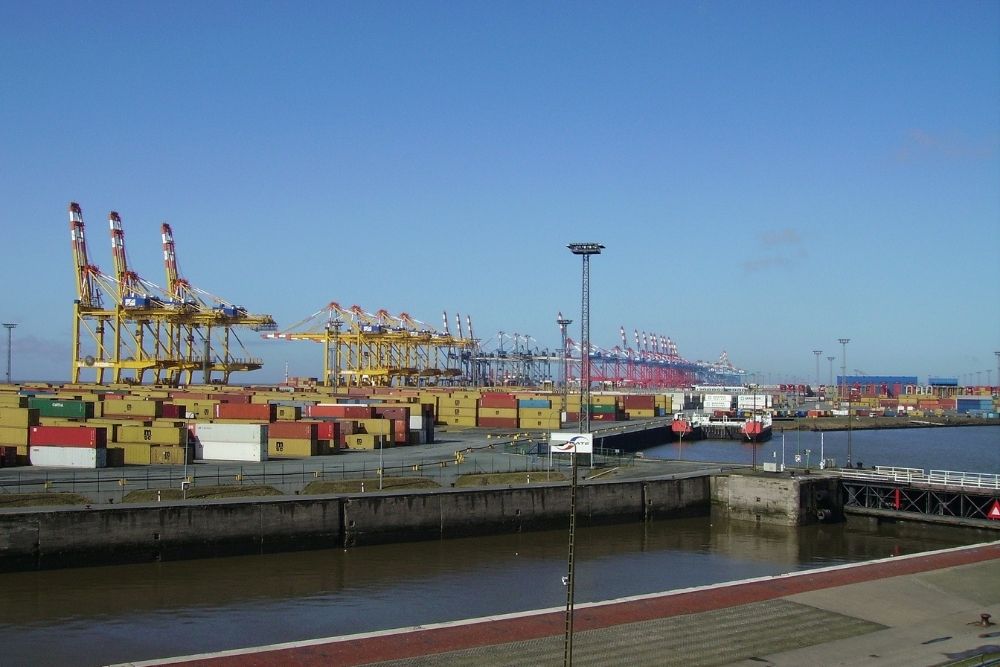
German companies face rising supply chain costs, especially with China connections
German companies’ extensive efforts to diversify their supply chains are resulting in increased costs, with further escalations anticipated, particularly for firms with connections to China, according to a survey conducted by the Bundesbank. The study, encompassing 8,400…