
TotalEnergies set to invest $9 billion in Suriname offshore oil and gas project
- September 15, 2023
- Posted by: Quatro Strategies
- Categories: Americas, Europe, Oil & Gas
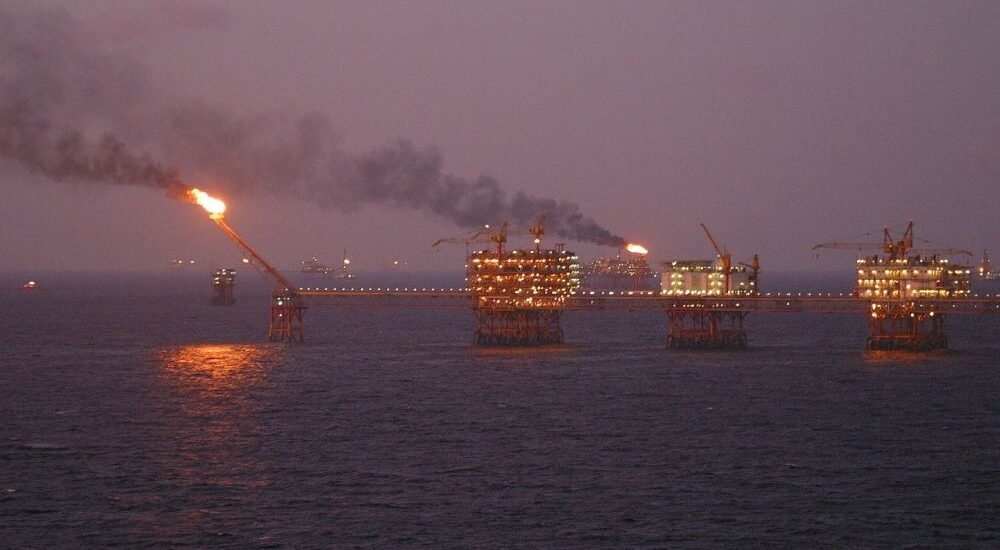
French energy company TotalEnergies is embarking on an ambitious project to develop a $9 billion oil and gas venture in Suriname’s highly promising offshore region, known as Block 58. This marks a significant milestone for Suriname, potentially establishing its inaugural commercial offshore project.
The eyes of the energy world are on this endeavor as certain fields in Suriname are adjacent to the Stabroek block in Guyana, where an Exxon Mobil-led consortium has already unearthed a colossal 11 billion barrels of oil. Given the geographical proximity and shared geological formations, TotalEnergies’ Block 58 is considered a key asset in Suriname’s emerging energy landscape.
TotalEnergies, in collaboration with its American partner APA, is poised to finalize a crucial investment decision by the close of 2024, following extensive investments totaling approximately $1.3 billion in exploration.
This decision is pivotal in mega energy projects, acting as the green light for further developmental stages. Notably, Suriname’s state oil company, Staatsolie, holds participation rights of up to 20% upon approval of the development plan, reinforcing the project’s local significance and impact.
At the core of this project are the development studies for Block 58, anticipated to be a game-changer for Suriname’s petroleum resources. TotalEnergies CEO Patrick Pouyanne is optimistic about the production cost, envisioning it to be below $20 per barrel, making it a financially viable venture.
A comprehensive appraisal has validated nearly 700 million barrels of oil and gas in Block 58’s primary fields. This substantial resource base opens up the possibility of producing up to 200,000 barrels per day, primarily in crude. The associated natural gas, initially slated for re-injection to maintain crude output, holds potential for export in subsequent phases of the project.
In terms of the project’s execution, it is envisioned that Block 58 will be developed utilizing a system of underwater wells linked to a floating production, storage, and offloading unit situated 150 kilometers (approximately 93 miles) from the coast of Suriname. As the project gears up for detailed engineering studies to commence by the end of 2023, and a final investment decision slated for the end of 2024, the target is to achieve first production by 2028.
Beyond the project’s immediate impact on Suriname’s energy landscape, it is expected to significantly influence the country’s economy. Estimates suggest potential earnings ranging from $16 billion to $26 billion, potentially paving the way for a more prosperous future for the nation.
Staatsolie CEO Annand Jagesar underscored the importance of prudent financial policy to ensure that the oil-generated wealth is thoughtfully reinvested to drive growth in the non-oil sectors, aiming to steer clear of the challenges faced by economies that have been overly reliant on oil revenues, as witnessed in Venezuela and Nigeria. This strategic approach aligns with creating sustainable growth and ensuring economic resilience in the long run.
Interested in learning more?
Sign up for Top Insights Today

Top Insights Today delivers the latest insights straight to your inbox.
You will get daily industry insights on
Oil & Gas, Rare Earths & Commodities, Mining & Metals, EVs & Battery Technology, ESG & Renewable Energy, AI & Semiconductors, Aerospace & Defense, Sanctions & Regulation, Business & Politics.
Read more insights
India’s steel imports hit eight-year high, sparking domestic industry concerns
India’s imports of finished steel have surged to unprecedented levels, reaching an eight-year high during the first eight months of the fiscal year ending March 2025. Provisional government data highlights a 26.6% year-on-year increase in imports, totaling 6.5 million metric tons, making India a net importer of finished steel during this period. This sharp rise has intensified…

Japan Inc. puts geopolitics first, profits second as it plans for 2026
Japanese boardrooms are heading into 2026 with geopolitics, not economics, at the top of their worry list. A new survey shows that the single biggest concern for Japanese companies is the sharp deterioration in relations with China, followed closely by uncertainty over U.S. trade policy. That ordering is striking in itself: for corporate Japan, the two countries that matter most commercially are also now seen as the main sources of strategic risk.
Relations with Beijing have been sliding since Prime Minister Sanae Takaichi told parliament that a Chinese attack on Taiwan could trigger a Japanese military response. That statement effectively made explicit what had previously been left deliberately vague, and it has fed into a series of tense incidents at sea and in the air. The latest flashpoint came when Tokyo accused Chinese fighter jets of locking radar onto Japanese military aircraft, an allegation Beijing disputes.

USA Rare Earth funding tests America’s mine-to-magnet ambitions
USA Rare Earth has signed agreements with the US Department of Commerce providing access to up to 1.6 billion dollars in CHIPS Act funding to support its construction of a domestic rare earth supply chain, marking a substantial federal commitment to one of the most strategically critical and competitively challenged industries in the American economy.
The agreements formalize a previously announced debt-and-equity package and represent a significant escalation in Washington’s effort to build domestic capacity in the rare earth materials that China dominates and has repeatedly demonstrated its willingness to weaponize.