
G7 to announce import ban on Russian diamonds
- September 18, 2023
- Posted by: Quatro Strategies
- Categories: Europe, Rare Earths & Commodities, Sanctions & Regulation
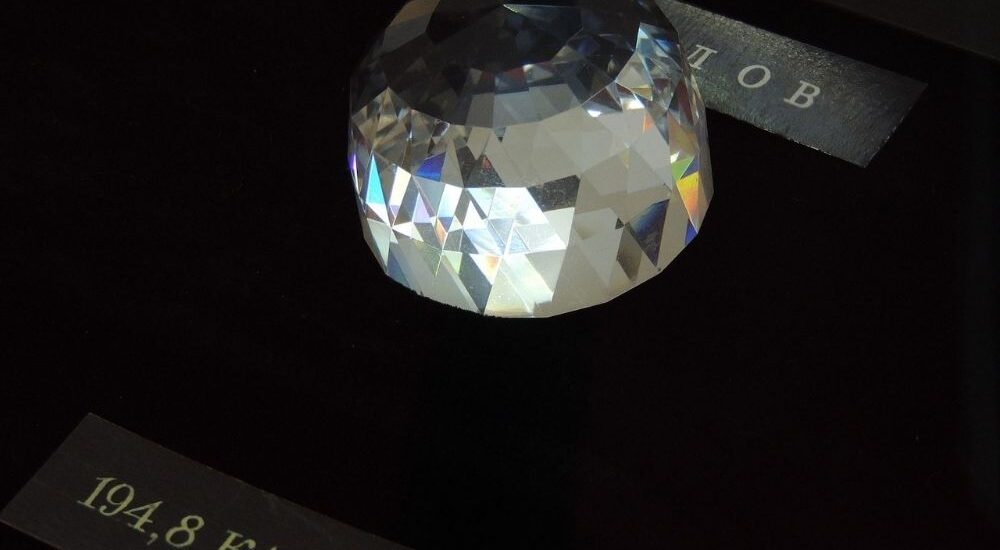
The Group of Seven (G7) countries are expected to announce a ban on the import of Russian diamonds in an effort to further squeeze Russia’s capacity to finance the war in Ukraine. The ban is set to come into effect on January 1, following a proposal from Belgium, which is home to the world’s top diamond trading hub in Antwerp. This move could have significant implications for the global diamond supply chain, but its implementation largely depends on India, where millions of people are employed in the diamond industry, responsible for cutting and polishing 90% of the world’s diamonds.
If the ban proceeds as anticipated, it will effectively split the global consumer diamond market. The G7 countries, which make up 70% of the consumer market, will no longer accept diamonds from Russia, the world’s largest producer of rough diamonds. The ban aims to reduce Russia’s diamond revenues and build on previous sanctions on Russia’s Alrosa, the world’s largest diamond producer.
The EU alone purchased €1.4 billion ($1.5 billion) worth of Russian diamonds last year, as it had not previously banned Russian gem imports or blacklisted Alrosa. Efforts to cut off Russian diamond revenues have been discussed among G7 leaders since the previous year, and this move is expected to further reduce financial flows from the diamond sector to Russia.
Belgium, as a key player in the diamond industry, is taking steps to ensure that this ban doesn’t lead to increased costs for consumers, jewellers, or restrictions on diamond cutting in India. The country has proposed centralizing customs checks at G7 wholesale entry points for rough and polished stones. The system would involve three layers of control and blockchain systems that generate two G7 certificates for rough and polished items, allowing them to circulate freely within the G7.
This ban is expected to have a significant impact on the diamond industry, as Russia is a major player in both rough and polished diamonds. It could lead to a situation where Russian diamonds are diverted to Asian markets, leaving non-Russian diamonds for Western markets. However, enforcing such a system and ensuring that it does not negatively affect countries like India and African diamond producers will be a significant challenge.
Interested in learning more?
Sign up for Top Insights Today

Top Insights Today delivers the latest insights straight to your inbox.
You will get daily industry insights on
Oil & Gas, Rare Earths & Commodities, Mining & Metals, EVs & Battery Technology, ESG & Renewable Energy, AI & Semiconductors, Aerospace & Defense, Sanctions & Regulation, Business & Politics.
Read more insights
Samsung SDI bets $1.3 billion on U.S. LFP storage
Samsung SDI has just given a pretty clear signal about where the next big battery profit pool lies and it’s not in cars. Its U.S. subsidiary has signed a multi-year contract worth more than 2 trillion won (around $1.36 billion) to supply lithium iron phosphate (LFP) batteries for energy storage systems (ESS) to an unnamed U.S. “energy infrastructure development and operations” company.
Deliveries will run for three years starting in 2027, and the news was enough to send Samsung SDI’s shares up more than 6% on a day when the KOSPI barely moved. Under the deal, Samsung SDI will produce prismatic LFP cells in the United States by converting existing lines at its U.S. plant, which it operates alongside Stellantis and is already using for EV and ESS batteries.
Germany’s storage shortfall exposes the limits of market-led energy security
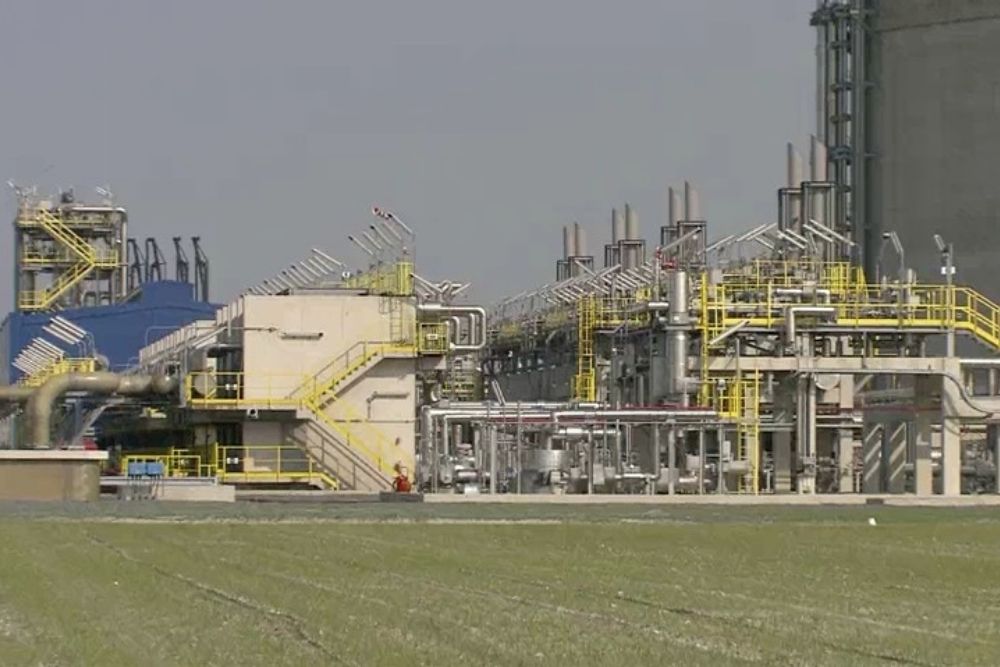
German gas storage operators are warning that the country is running out of time to build sufficient reserves before winter, highlighting how Europe’s energy system remains vulnerable despite years of efforts to reduce its dependence on Russian gas.
According to Germany’s gas storage association INES, storage facilities are unlikely to exceed 77% of capacity by the government’s November 1 target date under current conditions. While that level may be adequate during an average winter, it would leave the country exposed to shortages if temperatures fall significantly below normal.

Trump revokes Chevron’s Venezuela license, reinstating tough oil sanctions
President Donald Trump announced on Wednesday that he is revoking Chevron’s license to operate in Venezuela, reversing a key concession made by Joe Biden’s administration in 2022. The decision is part of Trump’s broader strategy to tighten U.S. sanctions on Venezuela, accusing President Nicolás Maduro of failing to meet commitments on electoral reforms and migrant repatriation.
Trump made the announcement via Truth Social, stating he was “reversing the concessions” granted under the November 26, 2022, oil transaction agreement. While he did not explicitly mention Chevron, it was the only company granted a license to operate in Venezuela’s oil sector on that date.