
Italy’s Eni granted second carbon storage license in Britain
- September 18, 2023
- Posted by: Quatro Strategies
- Categories: ESG & Renewable Energy, Europe, Oil & Gas

Eni, a prominent Italian energy company, has achieved a significant milestone by securing a second license for carbon dioxide (CO2) storage in the United Kingdom. The license applies to the depleted Hewett gas field, strategically positioned 20 kilometers off the coast of Bacton in the southern sector of the North Sea in Britain. Notably, this is the second license of its kind that Eni has obtained in the UK.
In 2020, Eni successfully acquired a similar license for the Liverpool Bay Area. In this region, the company serves as the carbon dioxide transport and storage operator for the HyNet North West project. The overarching goal of Carbon Capture and Storage (CCS) technology, which is central to these endeavors, is to capture CO2 emissions either directly at the source of industrial processes or from their subsequent emissions into the atmosphere, followed by safe and secure underground storage.
In the case of this new license for the Hewett gas field, Eni foresees an initial storage capacity estimated at about 6 million tonnes of CO2 annually, beginning at the latter part of this decade. This storage capacity is planned to be progressively expanded, targeting a capacity exceeding 10 million tons post-2030. These advancements are part of a broader initiative aligning with the United Kingdom’s ambitious decarbonization agenda, aiming to achieve a significant milestone of storing 20-30 million tonnes of CO2 per year by the year 2030.
Eni’s commitment to carbon capture and storage projects is in line with global efforts to address climate change and reduce the overall impact of CO2 emissions on the environment. It’s a critical step towards sustainable energy practices and plays a pivotal role in shaping a greener and more environmentally conscious future.
Interested in learning more?
Sign up for Top Insights Today

Top Insights Today delivers the latest insights straight to your inbox.
You will get daily industry insights on
Oil & Gas, Rare Earths & Commodities, Mining & Metals, EVs & Battery Technology, ESG & Renewable Energy, AI & Semiconductors, Aerospace & Defense, Sanctions & Regulation, Business & Politics.
Read more insights

Poland set to buy $12 billion worth Apache helicopters from U.S.
The U.S. State Department has granted approval for the potential sale of a significant arms package to Poland, which includes 96 AH-64E Apache attack helicopters along with related equipment. The deal’s estimated value is up to $12 billion. In addition to the helicopters, the package includes 1,844 Hellfire missiles and 508 Stinger missiles, which are vital components for the effective use of attack helicopters. This proposed arms sale comes as Poland has been actively working to bolster its military capabilities, particularly in response to regional security concerns triggered by Russia’s actions in neighboring Ukraine.
LNG market flips to surplus as new export trains reshape global pricing
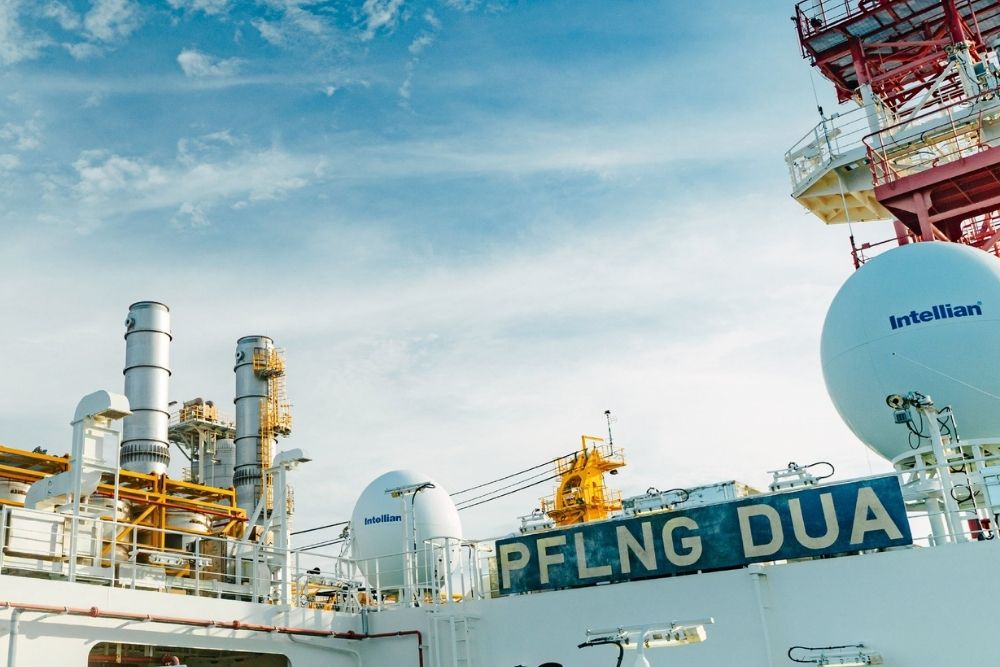
A new LNG cycle is taking shape that looks materially different from the panic conditions of 2022-2023. The market is moving from scarcity, when cargoes reliably flowed to the highest bidder, often Europe, to a multi-year period of surplus capacity in which buyers can be choosier on price, contract terms and destination flexibility.
The central driver is a wave of export projects that were sanctioned during and after the post-Ukraine price shock and are now reaching first production, with additional trains scheduled to arrive through the latter half of the 2020s.
Red Sea conflicts disrupt global shipping, boosting emissions and costs
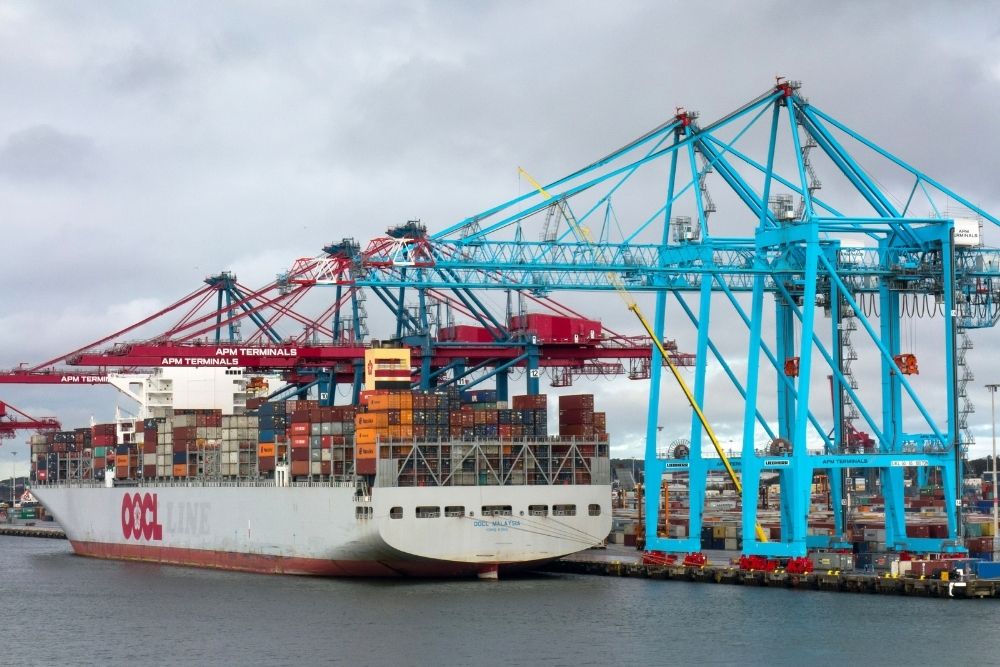
The surge in attacks on ships in the Red Sea is causing significant disruptions to global shipping routes, resulting in longer journeys and increased carbon dioxide emissions. This situation poses a major challenge for companies striving to meet their climate goals, as these detours increase their carbon footprints…