
British paper and packaging company Mondi set to finalize Russia exit
- September 18, 2023
- Posted by: Quatro Strategies
- Categories: Business & Politics, Europe, Sanctions & Regulation

Mondi, a leading British paper and packaging company, has made the strategic decision to divest its largest facility in Russia, Mondi Syktyvkar, through a sale to a unit of Moscow-based real estate developer Sezar Group for a substantial sum of 80 billion roubles (approximately $825.7 million) in cash. This transaction marks Mondi’s complete exit from its operations in Russia, following the prior sale of three packaging conversion plants to Gotek Group in July for 1.6 billion roubles.
The sale has received the necessary approvals from Russia’s anti-monopoly agency and the government commission responsible for foreign investments. The deal with Sezar Invest is anticipated to be finalized by December, as indicated by Mondi.
This strategic move comes after Mondi terminated a previously proposed 95 billion rouble deal to sell Mondi Syktyvkar to an investment vehicle owned by Russian billionaire Viktor Kharitonin, citing a “lack of progress” in obtaining necessary approvals.
Mondi Syktyvkar, a major pulp, packaging paper, and uncoated fine paper mill, is a significant employer with approximately 4,500 personnel. At the end of 2022, the facility reported revenues of about 1.09 billion euros (around $1.16 billion).
This decision by Mondi to divest its Russian operations aligns with the broader trend of Western companies exiting Russia in the wake of sanctions imposed over the conflict in Ukraine. Notable companies like British American Tobacco, Heineken, and Volkswagen have also undertaken similar strategic moves to withdraw from their operations in Russia.
By QUATRO Strategies International Inc.
QUATRO Strategies International Inc. is the leading business insights and corporate strategy company based in Toronto, Ontario. Through our unique services, we counsel our clients on their key strategic issues, leveraging our deep industry expertise and using analytical rigor to help them make informed decisions to establish a competitive edge in the marketplace.
Interested in learning more?
Sign up for Top Insights Today

Top Insights Today delivers the latest insights straight to your inbox.
You will get daily industry insights on
Oil & Gas, Rare Earths & Commodities, Mining & Metals, EVs & Battery Technology, ESG & Renewable Energy, AI & Semiconductors, Aerospace & Defense, Sanctions & Regulation, Business & Politics.
Read more insights
Brazil’s battery auction could turn wasted renewables into grid value
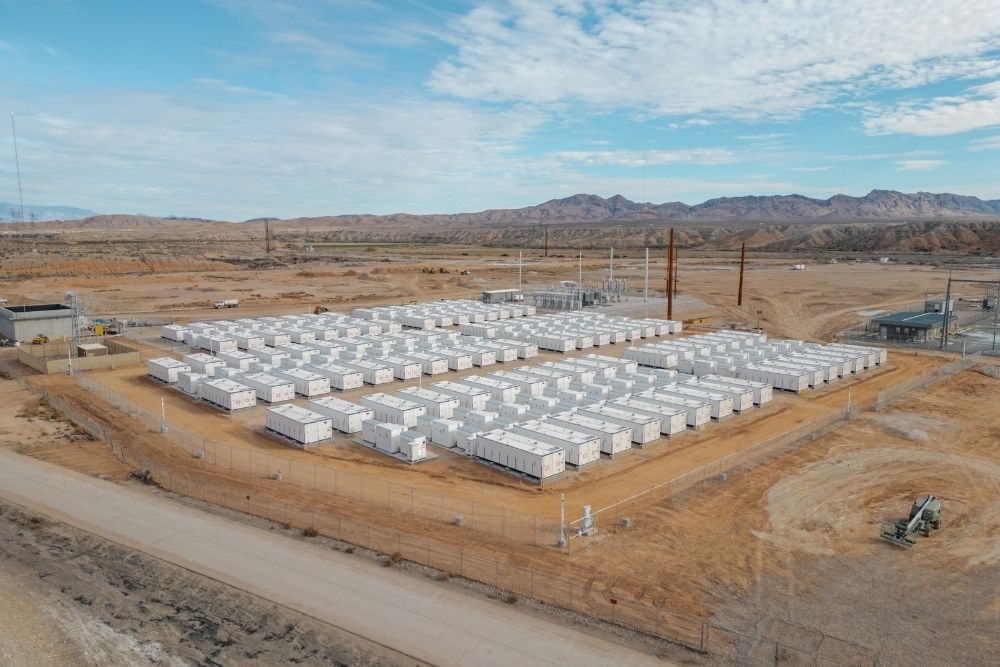
Major international renewable energy investors are positioning themselves for Brazil’s first battery storage auction, announced by the government for December, in a development that has raised hopes of providing financial relief to the country’s struggling renewable generators while addressing the chronic problem of wasted clean energy that has plagued the Brazilian power sector.
The auction, with estimated demand of at least two gigawatts of storage capacity, represents the culmination of two years of preparation by companies that have been waiting for the government to translate its repeated promises into concrete procurement.

Falling crude prices mask a deepening global fuel shortage
For six months the world has watched the wrong number. Brent crude sits around 90 dollars, up roughly 25 percent since the war began on February 28 but well down from its 118 dollar wartime peak, and every headline about crude retreating has been read as evidence that the energy shock is passing.
It is not. European diesel prices have risen more than 70 percent since February and American gasoline around 60 percent. The gap between those figures is the entire story, and it describes a problem that no diplomatic breakthrough can quickly solve.
Corporate giants recast electrification as an economic security strategy
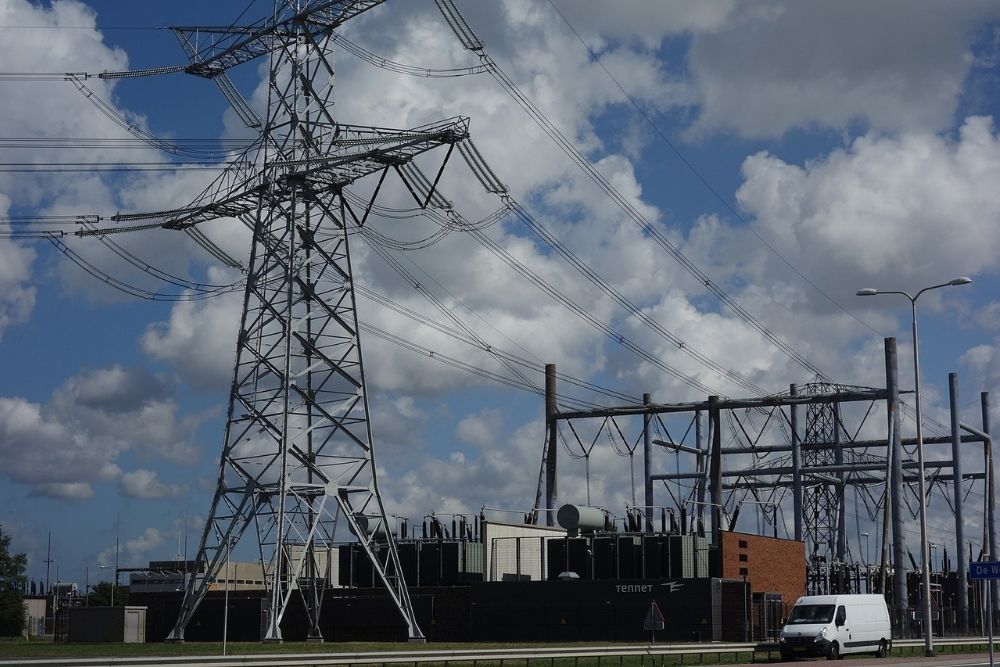
More than a hundred major companies, including Nestlé, Ikea, Uber, and Volvo Cars, have urged governments to make electrification central to their economic strategies, arguing that reducing exposure to volatile fossil fuel costs would bolster energy security and competitiveness.
The intervention, backed by 112 businesses with combined annual revenues of about 1.5 trillion dollars, reflects the growing corporate recognition that the fossil fuel price volatility exposed by the Gulf conflict represents a threat to business competitiveness and that electrification offers a path to the energy security and cost stability that economic resilience requires.