
British paper and packaging company Mondi set to finalize Russia exit
- September 18, 2023
- Posted by: Quatro Strategies
- Categories: Business & Politics, Europe, Sanctions & Regulation

Mondi, a leading British paper and packaging company, has made the strategic decision to divest its largest facility in Russia, Mondi Syktyvkar, through a sale to a unit of Moscow-based real estate developer Sezar Group for a substantial sum of 80 billion roubles (approximately $825.7 million) in cash. This transaction marks Mondi’s complete exit from its operations in Russia, following the prior sale of three packaging conversion plants to Gotek Group in July for 1.6 billion roubles.
The sale has received the necessary approvals from Russia’s anti-monopoly agency and the government commission responsible for foreign investments. The deal with Sezar Invest is anticipated to be finalized by December, as indicated by Mondi.
This strategic move comes after Mondi terminated a previously proposed 95 billion rouble deal to sell Mondi Syktyvkar to an investment vehicle owned by Russian billionaire Viktor Kharitonin, citing a “lack of progress” in obtaining necessary approvals.
Mondi Syktyvkar, a major pulp, packaging paper, and uncoated fine paper mill, is a significant employer with approximately 4,500 personnel. At the end of 2022, the facility reported revenues of about 1.09 billion euros (around $1.16 billion).
This decision by Mondi to divest its Russian operations aligns with the broader trend of Western companies exiting Russia in the wake of sanctions imposed over the conflict in Ukraine. Notable companies like British American Tobacco, Heineken, and Volkswagen have also undertaken similar strategic moves to withdraw from their operations in Russia.
By QUATRO Strategies International Inc.
QUATRO Strategies International Inc. is the leading business insights and corporate strategy company based in Toronto, Ontario. Through our unique services, we counsel our clients on their key strategic issues, leveraging our deep industry expertise and using analytical rigor to help them make informed decisions to establish a competitive edge in the marketplace.
Interested in learning more?
Sign up for Top Insights Today

Top Insights Today delivers the latest insights straight to your inbox.
You will get daily industry insights on
Oil & Gas, Rare Earths & Commodities, Mining & Metals, EVs & Battery Technology, ESG & Renewable Energy, AI & Semiconductors, Aerospace & Defense, Sanctions & Regulation, Business & Politics.
Read more insights

Wall Street shrugs off oil shock, testing the “Buy-the-Dip” reflex
Wall Street’s surprisingly calm response to an historic oil shock is being cast as either a sign of rational pricing or a sign that investors have been conditioned by the last few decades to treat geopolitical crises as tradable noise. The puzzle is stark: crude prices just delivered one of the biggest weekly jumps in modern futures history, yet the S&P 500 barely budged by comparison, and the Nasdaq’s dip was even smaller.
Outside the United States, equity markets are behaving more like you’d expect in an energy shock, with sharper losses across Europe, Asia, and emerging markets. The question the piece is really asking is whether the U.S. equity market is correctly anticipating a contained economic impact, or whether it is failing to price the fat-tail risk that comes with a real supply disruption and a sustained oil move above $100.
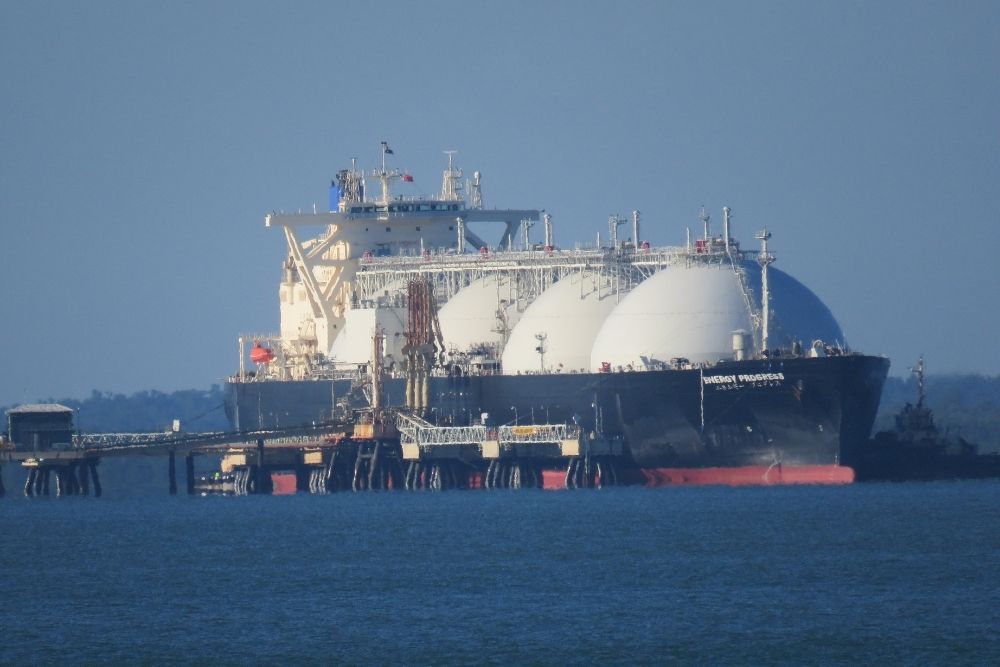
Strait of Hormuz fears drive LNG shipping costs to eight-month high
Global shipping costs for liquefied natural gas (LNG) cargoes have surged to their highest levels in roughly eight months, driven by a confluence of tighter vessel availability and rising geopolitical risk, particularly in the Middle East. The sharp rise in freight rates underscores how energy logistics are increasingly vulnerable to disruptions in both market dynamics and regional security.
The Atlantic spot freight rate for standard two-stroke LNG carriers—capable of transporting 174,000 cubic meters—hit $51,750 per day on Monday, the highest since early October 2024. The Pacific rate for the same vessel type also rose sharply to $36,750 per day, marking its highest level since late October.

China’s inflation hits five-month low as deflation persists in industrial sector
China’s economic challenges intensified in November as consumer inflation hit a five-month low and producer prices remained in deflation for the 26th consecutive month. The Consumer Price Index (CPI) rose just 0.2% year-on-year, below expectations, as fresh food prices dropped by 2.7%, aided by unseasonably warm…