
Australia’s Fortescue stops use of voluntary carbon offsets
- September 20, 2023
- Posted by: Quatro Strategies
- Categories: Asia Pacific, ESG & Renewable Energy, Mining & Metals
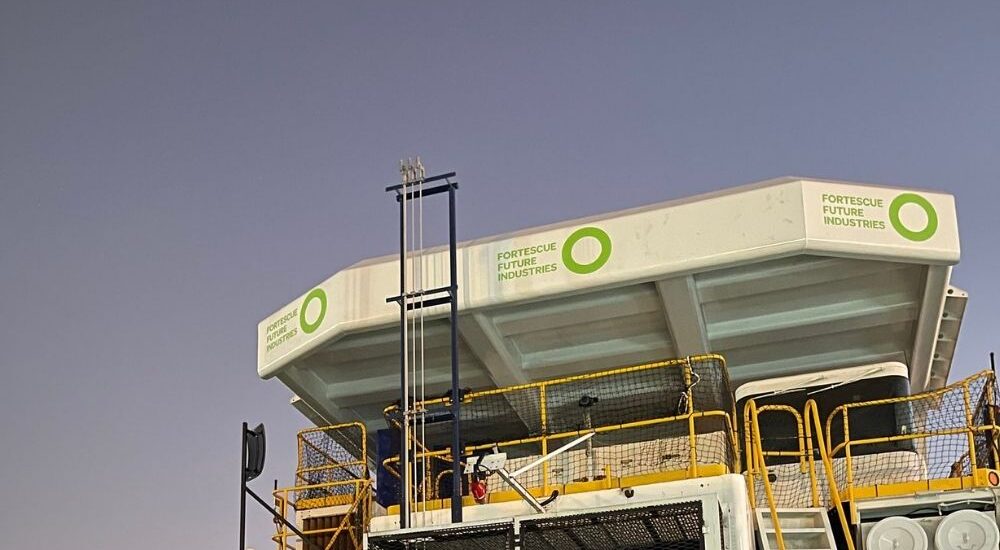
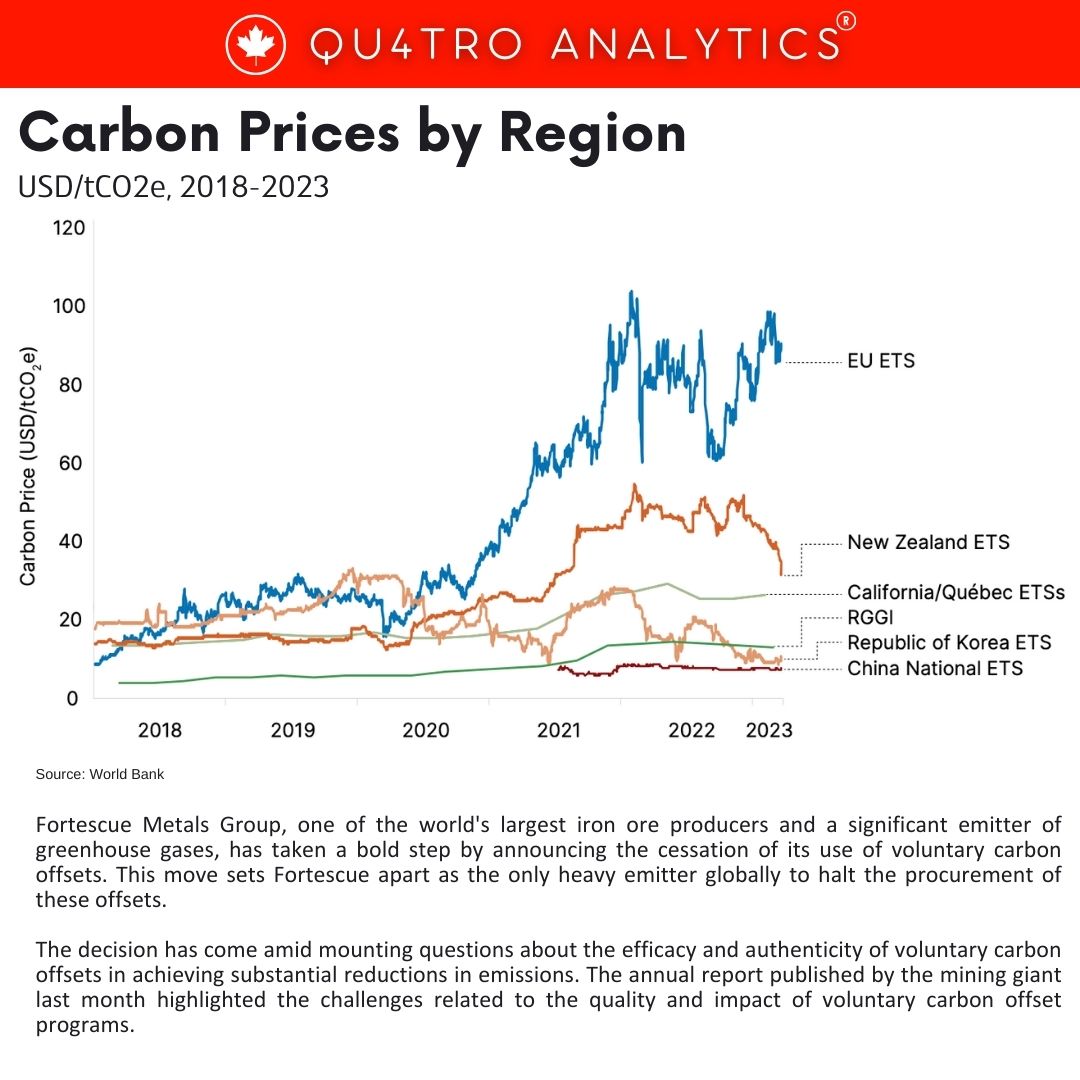
Fortescue Metals Group, one of the world’s largest iron ore producers and a significant emitter of greenhouse gases, has taken a bold step by announcing the cessation of its use of voluntary carbon offsets. This move sets Fortescue apart as the only heavy emitter globally to halt the procurement of these offsets. The decision has come amid mounting questions about the efficacy and authenticity of voluntary carbon offsets in achieving substantial reductions in emissions. The annual report published by the mining giant last month highlighted the challenges related to the quality and impact of voluntary carbon offset programs.
In the 12 months leading up to June 30, Fortescue generated a substantial 2.55 million tons of scope 1 and 2 carbon dioxide pollution. The company confirmed that it has commenced implementing a policy to cease purchasing credits from this financial year onwards.
Notably, Fortescue spent $6.2 million in the fiscal year 2023 on voluntary offsets and surrendered a total of 336,833 tons of credits. The voluntary carbon market, despite growing scrutiny and doubts about its effectiveness, is predicted to expand significantly, potentially reaching as high as $953 billion by 2037, according to BloombergNEF.
 Fortescue has set ambitious environmental targets, aiming to eliminate scope 1 and 2 emissions (those directly linked to a company’s operations) by 2030.
Additionally, the company aims to phase out the use of fossil fuels at its Australian iron ore sites. These objectives are in line with the emission reduction goals of some of Australia’s major energy producers, such as the local units of Shell Plc and Exxon Mobil Corp.
Despite being a major player in the iron ore industry, Fortescue’s decision to forego voluntary carbon offsets demonstrates a commitment to finding more direct and effective ways to reduce its carbon footprint and contribute to the fight against climate change.
By QUATRO Strategies International Inc.
QUATRO Strategies International Inc. is the leading business insights and corporate strategy company based in Toronto, Ontario. Through our unique services, we counsel our clients on their key strategic issues, leveraging our deep industry expertise and using analytical rigor to help them make informed decisions to establish a competitive edge in the marketplace.
Interested in learning more?
Sign up for Top Insights Today

Top Insights Today delivers the latest insights straight to your inbox.
You will get daily industry insights on
Oil & Gas, Rare Earths & Commodities, Mining & Metals, EVs & Battery Technology, ESG & Renewable Energy, AI & Semiconductors, Aerospace & Defense, Sanctions & Regulation, Business & Politics.
Read more insights
Taiwan turns chip dominance into a diplomatic strategy
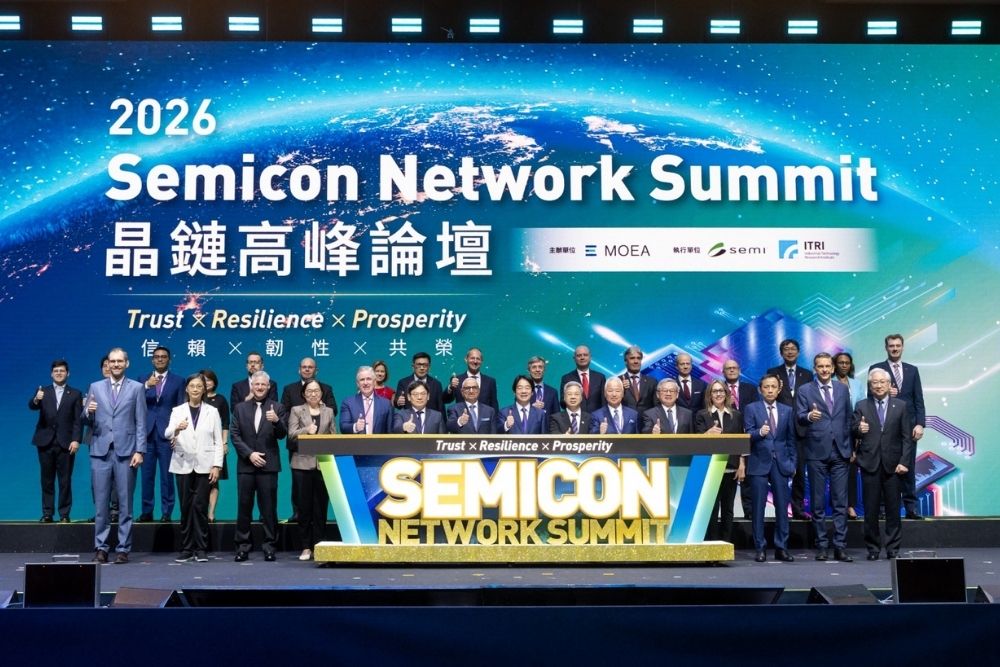
Taiwan is using its dominance in advanced semiconductors to deepen political and economic ties with democratic partners, presenting itself as an indispensable and trustworthy supplier for the artificial intelligence era. At the SEMICON Taiwan trade show, Taiwanese officials and industry leaders framed the island’s chip sector not merely as a commercial success, but as a strategic asset rooted in democracy, rule of law and cooperation with like-minded economies.
The message was carefully calibrated. Taiwan wants the world to recognize that its semiconductor ecosystem is essential to AI, cloud computing, defense technology and advanced manufacturing. It also wants to show that it is willing to share the benefits of that strength through overseas investment and supply-chain partnerships. But it must do so without weakening the central role of Taiwan itself, especially as the United States and Europe press for more production on their own soil.
Australia considers rare earths price floor in bid to break China’s grip
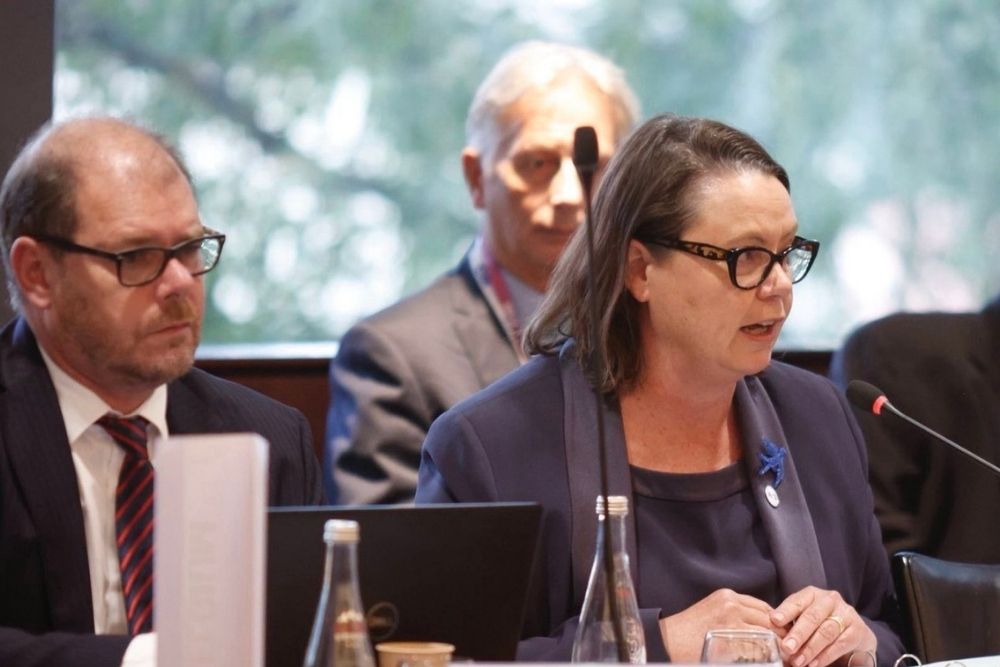
Australia is actively considering the introduction of a price floor mechanism for critical minerals, including rare earths, marking a major strategic step to support domestic processing capacity and reduce reliance on China, the world’s dominant supplier. The move, confirmed by Resources Minister Madeleine King, reflects growing alignment between Canberra and Washington on reshaping the global critical minerals supply chain around trusted partners.
The proposed floor would provide price certainty to investors and miners by protecting projects from market volatility, opaque pricing, and potential price manipulation, issues that have long discouraged investment in Western supply chains. “Pricing certainty means companies and investors are less exposed to volatile markets and prices, which are opaque and prone to manipulation,” King said in a statement.
Europe’s auto industry faces capacity reckoning as Chinese EVs grab market share
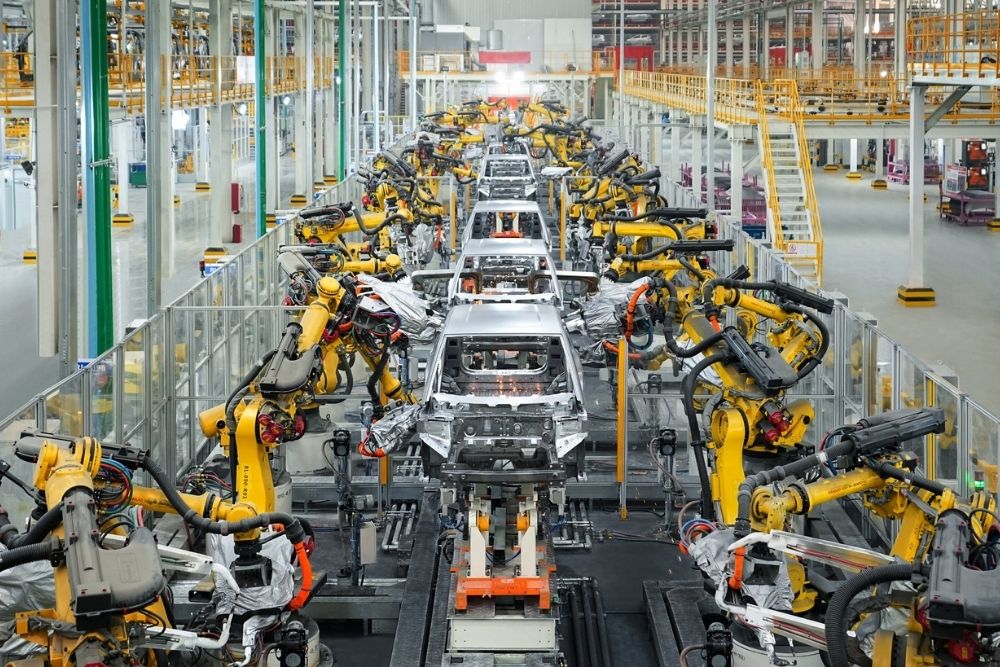
Europe’s mass-market car business is running on too much metal and not enough buyers. A decade of capacity built for growth now collides with a softer post-pandemic demand profile, rising capital costs, and a new cohort of Chinese brands that are perfectly content to fight on price. Plant utilization across the continent has sagged to roughly half of rated capacity, far below the 70-80% rule of thumb where factories earn their keep.
In that math, every shift that isn’t full bleeds cash, and the difference between a viable site and a stranded one is measured in a few percentage points of volume that never arrive. If Chinese brands sell on the order of two million cars annually in Europe by 2030, which is a plausible glide path given this year’s share, they will effectively displace the output of about eight European plants.