
Indonesia taking new steps to boost natural gas output
- September 21, 2023
- Posted by: Quatro Strategies
- Categories: Asia Pacific, Oil & Gas
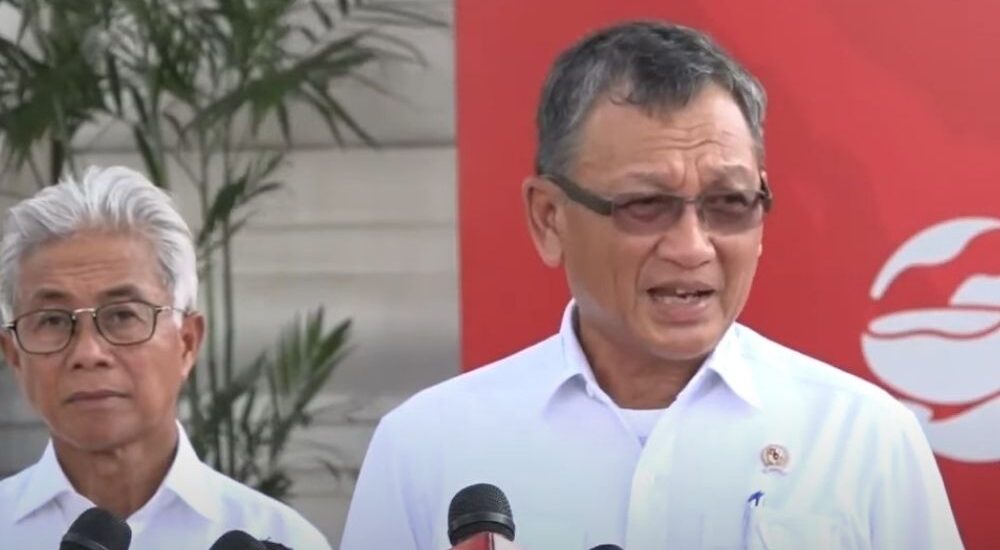
Indonesia, a nation rich in gas reserves, is taking strategic steps to boost output in its energy sector. The government is making significant changes to its oil and gas terms to attract investments, a critical move at a time when global investors are increasingly shifting away from fossil fuels. The country aims to tap into its abundant gas reserves while they remain a valuable energy source.
One of the key modifications involves allowing contractors to hold equity shares of more than 50% in select new blocks. This change is part of a broader effort to make the terms more appealing for contractors, encouraging increased investment in the sector. The adjustments in contractual terms apply to both cost recovery and gross split contractual schemes.
Indonesia’s geographical landscape comprises 128 hydrocarbon basins, with a substantial portion, 68 basins, remaining entirely unexplored. This presents a significant opportunity for the nation to accelerate exploration and development in these untapped oil and gas reserves. The government is deeply committed to expediting this process and enhancing the country’s energy sector.
Furthermore, the government is in the final stages of revising regulations to improve the economic viability of oil and gas projects. Although specific details of these revisions have not been disclosed, they are expected to provide further incentives for investment in the sector, promoting sustainable growth and development.
Energy Minister Arifin Tasrif also emphasized the importance of investing in carbon capture and storage (CCS) and carbon capture, utilization, and storage (CCUS) projects. These investments are seen as essential for the continued development of the fossil fuel sector while addressing environmental concerns.
Indonesia currently has 15 CCS/CCUS projects in various stages of preparation, with most aiming to be operational by 2030. These projects are a testament to Indonesia’s commitment to balancing energy needs with sustainability and environmental responsibility.
By QUATRO Strategies International Inc.
QUATRO Strategies International Inc. is the leading business insights and corporate strategy company based in Toronto, Ontario. Through our unique services, we counsel our clients on their key strategic issues, leveraging our deep industry expertise and using analytical rigor to help them make informed decisions to establish a competitive edge in the marketplace.
Interested in learning more?
Sign up for Top Insights Today

Top Insights Today delivers the latest insights straight to your inbox.
You will get daily industry insights on
Oil & Gas, Rare Earths & Commodities, Mining & Metals, EVs & Battery Technology, ESG & Renewable Energy, AI & Semiconductors, Aerospace & Defense, Sanctions & Regulation, Business & Politics.
Read more insights
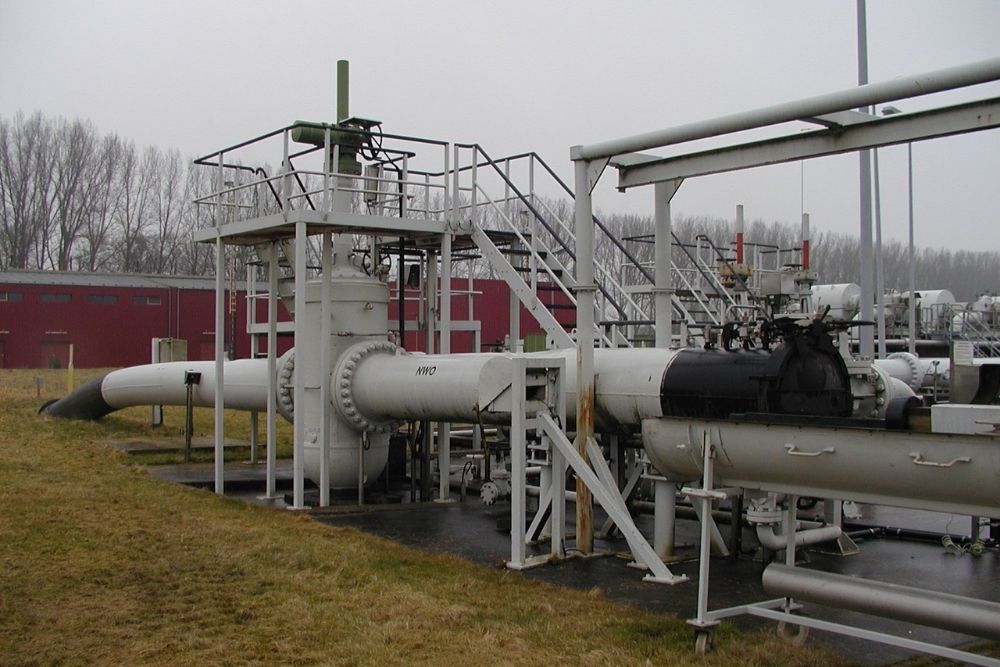
Record gas exports reinforce Norway’s role in European energy security
Norway achieved a record high in natural gas exports in 2024, solidifying its position as Europe’s largest supplier following the reduction of Russian gas imports in the aftermath of the Ukraine conflict. Official data from the Norwegian Offshore Directorate (NOD) showed that the country’s overall gas output, encompassing both pipeline and liquefied natural gas (LNG)…
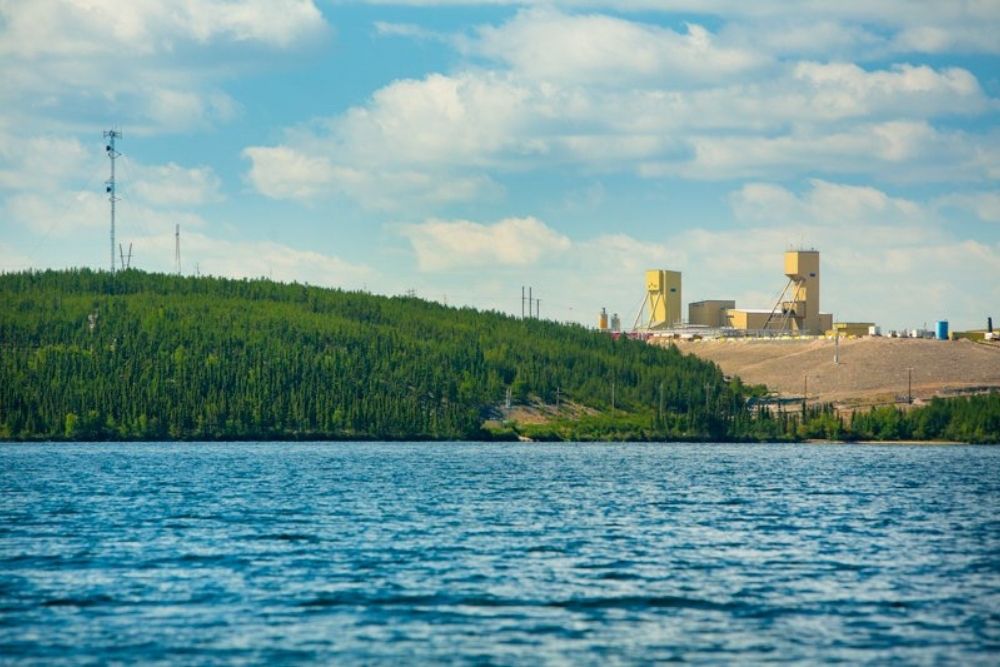
Resurgence of nuclear power spurs uranium mining industry revival
In various countries, including the United States and its allies, operators of previously inactive uranium mines are resuming operations to take advantage of the growing demand for nuclear fuel. Following the 2011 Fukushima nuclear disaster in Japan, many governments turned away from uranium…

US Treasury offers flexibility on battery mineral sourcing for automakers
The U.S. Treasury Department has announced additional flexibility for automakers regarding the sourcing of battery minerals, particularly trace minerals such as graphite, from countries like China. Under the new rules, automakers have until 2027 to remove certain hard-to-trace minerals like graphite…