
Indonesia to allow mining production plans to remain valid for three years
- September 22, 2023
- Posted by: Quatro Strategies
- Categories: Asia Pacific, Mining & Metals, Sanctions & Regulation
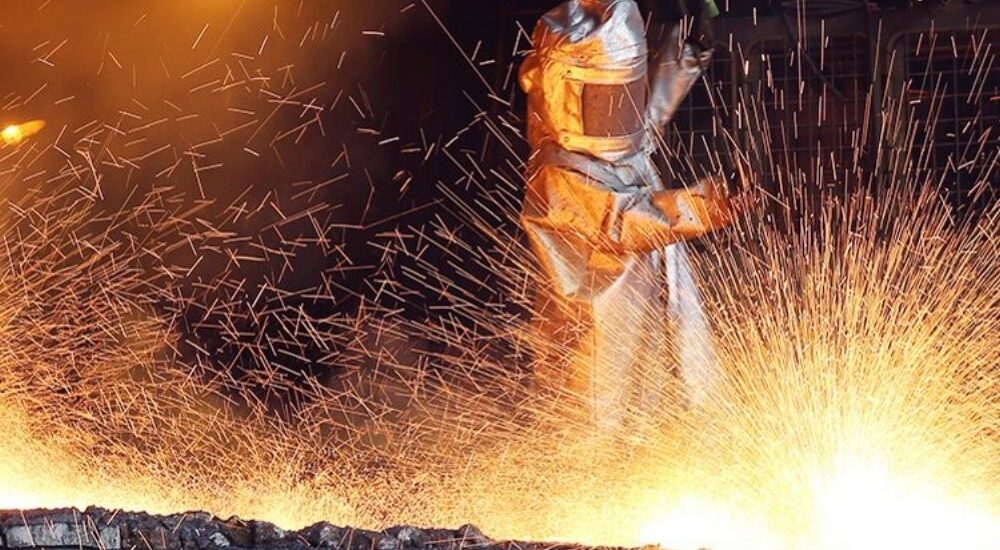
Indonesia has implemented a significant change in its mining production approval process, aiming to enhance efficiency in quota approvals. The country will now allow mining production plans to remain valid for three years, a notable shift from the previous one-year validity. These production plans, termed RKAB within Indonesia, dictate the volume of ore miners can extract over a specified period.
This alteration in the regulations is partly in response to challenges faced by nickel smelter operators due to escalating ore prices. To mitigate the effects of these challenges, smelter operators had to import nickel ore from the Philippines as Indonesian miners reached the limits of their production quotas. The change in the validity period of production plans aims to provide greater flexibility and stability for miners.
Additionally, miners will now have the opportunity to seek revisions to their production plans once a year, which can further enhance adaptability in mining operations. These modifications are essential steps in ensuring that Indonesia’s mining sector remains competitive and efficient in a rapidly evolving global market.
In recent months, Indonesia has been refining its approval procedures to combat illegal mining activities and streamline quota approvals. The government is actively upgrading its online application system to expedite the approval process and facilitate more efficient quota applications.
Nickel miners, in particular, are set to benefit from a new quota application system starting in October, with applications being accepted from November. These initiatives collectively demonstrate Indonesia’s commitment to optimizing its mining sector and ensuring sustainable growth.
By QUATRO Strategies International Inc.
QUATRO Strategies International Inc. is the leading business insights and corporate strategy company based in Toronto, Ontario. Through our unique services, we counsel our clients on their key strategic issues, leveraging our deep industry expertise and using analytical rigor to help them make informed decisions to establish a competitive edge in the marketplace.
Interested in learning more?
Sign up for Top Insights Today

Top Insights Today delivers the latest insights straight to your inbox.
You will get daily industry insights on
Oil & Gas, Rare Earths & Commodities, Mining & Metals, EVs & Battery Technology, ESG & Renewable Energy, AI & Semiconductors, Aerospace & Defense, Sanctions & Regulation, Business & Politics.
Read more insights
EU pushes for G7 united front after China tightens rare-earth controls
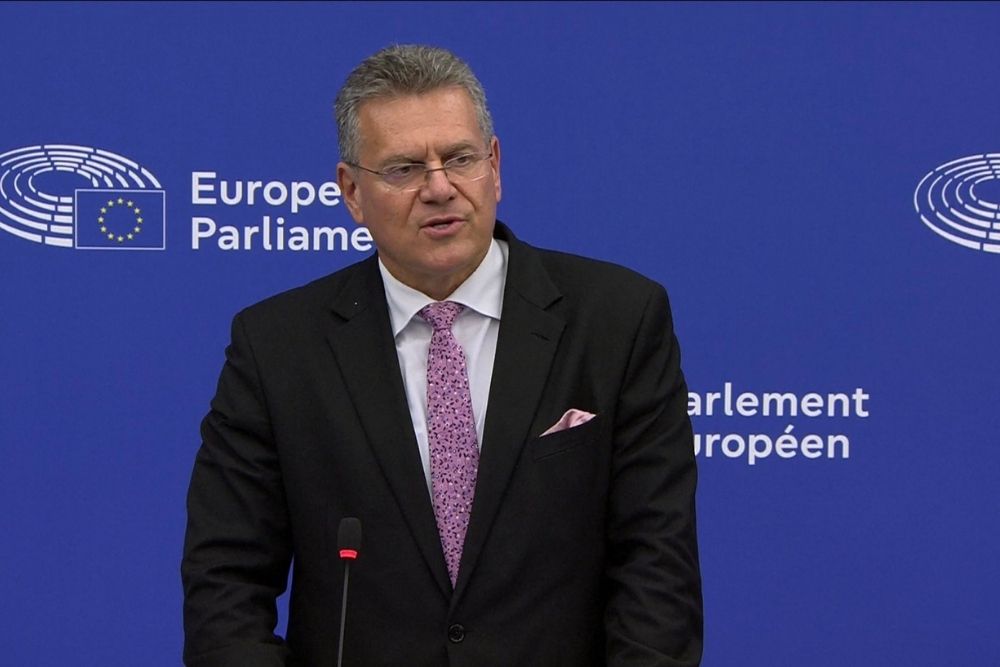
Brussels is moving quickly to turn rare earths angst into allied strategy. After Beijing broadened its export controls, adding elements, refining know-how, and extra checks aimed squarely at semiconductor users, the European Commission and national ministers signaled they want a coordinated G7 response alongside Washington.
The tone out of the EU trade meeting in Denmark was unusually hard-edged: the measures were labeled “unjustified” and a “critical concern,” with calls for a swift G7 ministerial huddle and direct outreach to Beijing.
Italy’s Eni finds fresh natural gas reserves in Indonesia
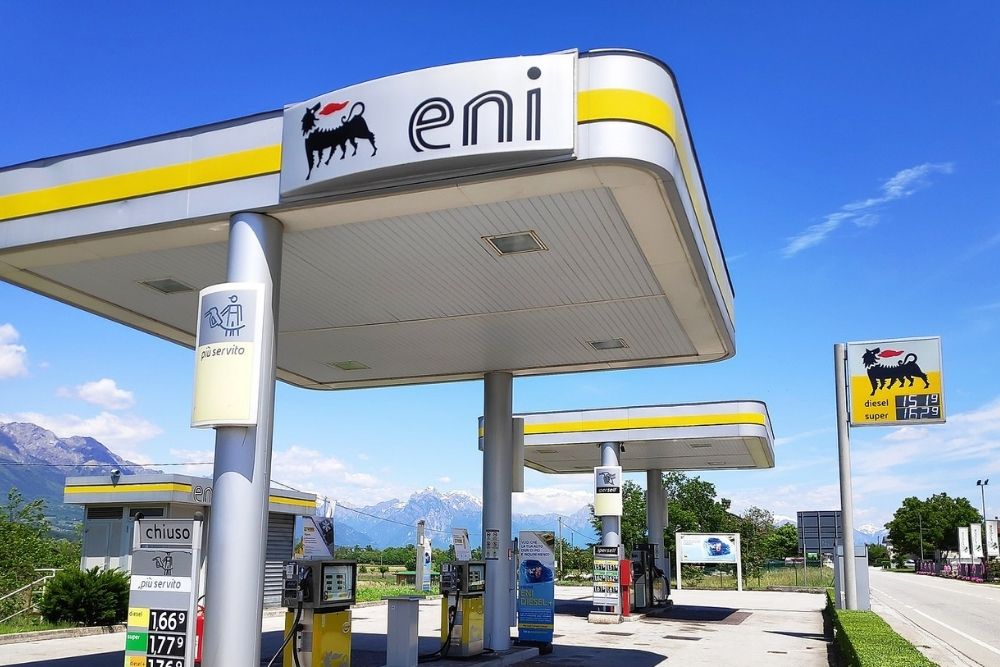
Eni has announced a significant gas discovery in Indonesia, a development that could potentially strengthen its position in the Asian nation, where it has maintained a presence since 2001 with a portfolio of exploration and production assets. This discovery is situated in the North Ganal Production Sharing Contract area, approximately 53 miles off the coast of East Kalimantan.
Bolivia invites global companies to bid for lithium extraction projects in new tender
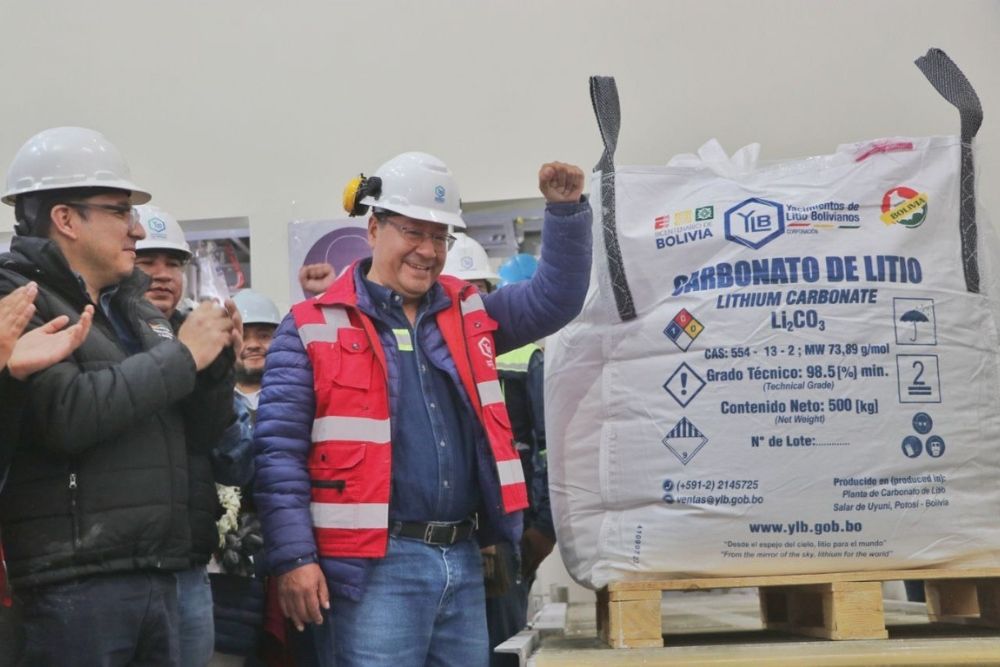
Bolivia has initiated a new international tender to attract companies for the extraction of lithium from its expansive salt flats. The tender is being launched by Yacimientos de Litio Bolivianos, a state-owned entity, and aims to develop projects in various salt flats within the Altiplano region, encompassing…