
Indonesia to allow mining production plans to remain valid for three years
- September 22, 2023
- Posted by: Quatro Strategies
- Categories: Asia Pacific, Mining & Metals, Sanctions & Regulation
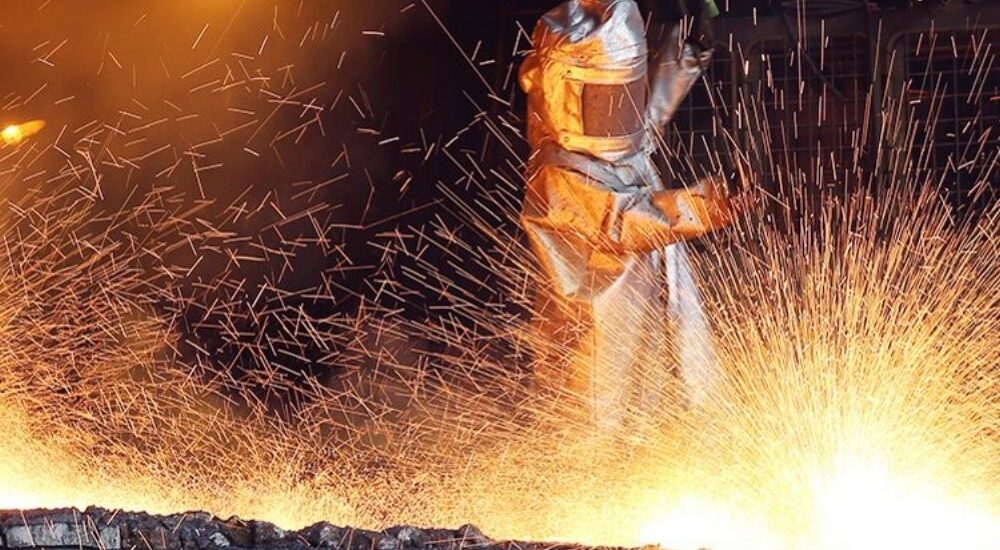
Indonesia has implemented a significant change in its mining production approval process, aiming to enhance efficiency in quota approvals. The country will now allow mining production plans to remain valid for three years, a notable shift from the previous one-year validity. These production plans, termed RKAB within Indonesia, dictate the volume of ore miners can extract over a specified period.
This alteration in the regulations is partly in response to challenges faced by nickel smelter operators due to escalating ore prices. To mitigate the effects of these challenges, smelter operators had to import nickel ore from the Philippines as Indonesian miners reached the limits of their production quotas. The change in the validity period of production plans aims to provide greater flexibility and stability for miners.
Additionally, miners will now have the opportunity to seek revisions to their production plans once a year, which can further enhance adaptability in mining operations. These modifications are essential steps in ensuring that Indonesia’s mining sector remains competitive and efficient in a rapidly evolving global market.
In recent months, Indonesia has been refining its approval procedures to combat illegal mining activities and streamline quota approvals. The government is actively upgrading its online application system to expedite the approval process and facilitate more efficient quota applications.
Nickel miners, in particular, are set to benefit from a new quota application system starting in October, with applications being accepted from November. These initiatives collectively demonstrate Indonesia’s commitment to optimizing its mining sector and ensuring sustainable growth.
By QUATRO Strategies International Inc.
QUATRO Strategies International Inc. is the leading business insights and corporate strategy company based in Toronto, Ontario. Through our unique services, we counsel our clients on their key strategic issues, leveraging our deep industry expertise and using analytical rigor to help them make informed decisions to establish a competitive edge in the marketplace.
Interested in learning more?
Sign up for Top Insights Today

Top Insights Today delivers the latest insights straight to your inbox.
You will get daily industry insights on
Oil & Gas, Rare Earths & Commodities, Mining & Metals, EVs & Battery Technology, ESG & Renewable Energy, AI & Semiconductors, Aerospace & Defense, Sanctions & Regulation, Business & Politics.
Read more insights

G20 nations planning to triple renewable capacity, push for scaling up CCS technology
The G20 group of nations is planning to triple renewable capacity by 2030 while also encouraging the use of carbon capture technology to facilitate fossil fuel development.
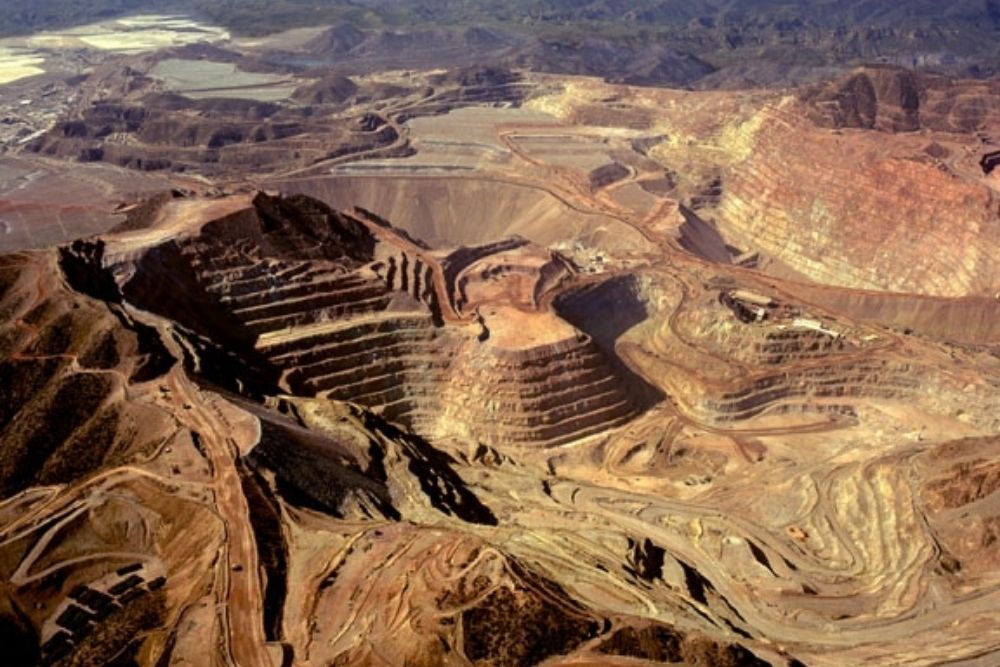
Saudi Arabia looking to buy stakes in Pakistan gold and copper mine
Saudi Arabia has expressed interest in acquiring government stakes in Pakistan’s Reko Diq gold and copper mine, a significant development for Pakistan’s economy, which narrowly averted a sovereign default earlier this year with a $3 billion bailout from the International Monetary Fund (IMF)…
Vietnam benefits from US-China trade war with record trade surplus
As the United States escalates its efforts to reduce trade with China by increasing tariffs, it has significantly boosted imports from Vietnam, which relies heavily on Chinese inputs for much of its exports. This shift has dramatically expanded trade imbalances, with Vietnam posting a trade surplus with the U.S. close…