
China aims to raise $13.7 billion to invest in emerging industries
- September 25, 2023
- Posted by: Quatro Strategies
- Categories: Business & Politics, China, Sanctions & Regulation
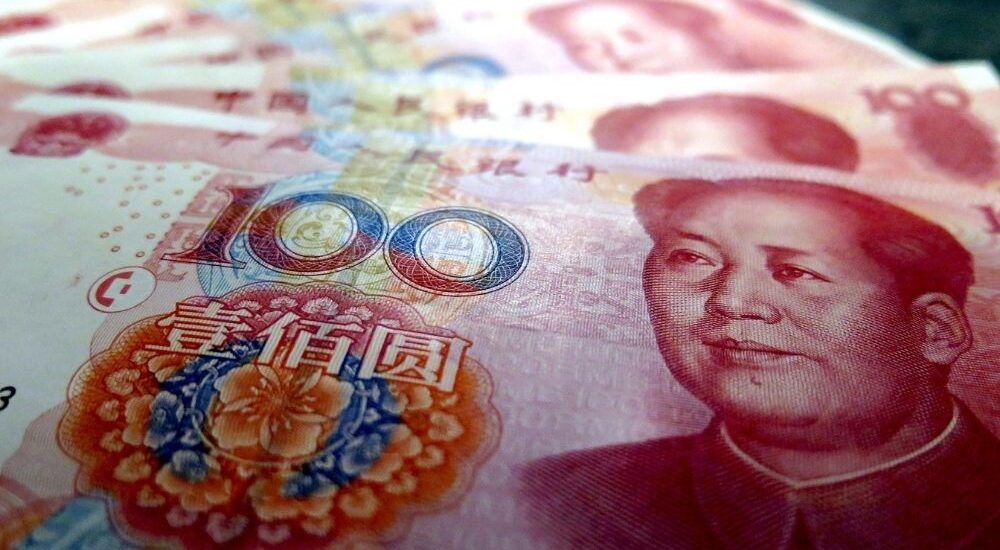
China Reform Holdings Corp, a major Chinese state asset manager, is planning to raise a substantial fund of at least 100 billion yuan (approximately $13.70 billion). This fund will be directed towards investments in emerging industries, as reported by China Business News.
The initiative has already garnered investment interest from over 20 central government-owned enterprises, local governments, and private investors. The fund is slated to commence operations by the end of the current year.
This move aligns with a broader trend in China, where state-owned enterprises (SOEs) are increasingly focusing on investments in emerging and strategic sectors such as artificial intelligence, new energy, new materials, and biotechnology. This is part of Beijing’s efforts to reform the SOEs and modernize them to be at the forefront of innovation and growth.
China Reform Holdings, established in 2021, holds a critical role in advancing these reforms within the state-owned enterprise sector. As of the end of 2022, the company managed nearly 860 billion yuan of assets, underscoring its significant presence in managing state assets and furthering economic goals in line with national strategies.
By QUATRO Strategies International Inc.
QUATRO Strategies International Inc. is the leading business insights and corporate strategy company based in Toronto, Ontario. Through our unique services, we counsel our clients on their key strategic issues, leveraging our deep industry expertise and using analytical rigor to help them make informed decisions to establish a competitive edge in the marketplace.
Interested in learning more?
Sign up for Top Insights Today

Top Insights Today delivers the latest insights straight to your inbox.
You will get daily industry insights on
Oil & Gas, Rare Earths & Commodities, Mining & Metals, EVs & Battery Technology, ESG & Renewable Energy, AI & Semiconductors, Aerospace & Defense, Sanctions & Regulation, Business & Politics.
Read more insights

EU scraps green steel labels days before launch, leaving industry in chaos
The European Union’s eleventh-hour abandonment of the emissions labeling system for steel, scrapped from the Industrial Accelerator Act just days before publication, represents a devastating policy retreat that exposes the hollowness of Brussels’ green industrial strategy and demonstrates how regulatory ambitions divorced from market realities inevitably collapse when confronted with implementation complexities.
The removal of the labeling mechanism that green steel producers desperately requested to differentiate their expensive products leaves the entire market development framework in shambles, eliminating the basic information infrastructure that would allow consumers, manufacturers, and investors to distinguish between conventional and low-carbon steel while pushing crucial decisions “further down the road” precisely when the nascent industry requires immediate certainty to justify the billions in capital investments that EU climate goals ostensibly demand.
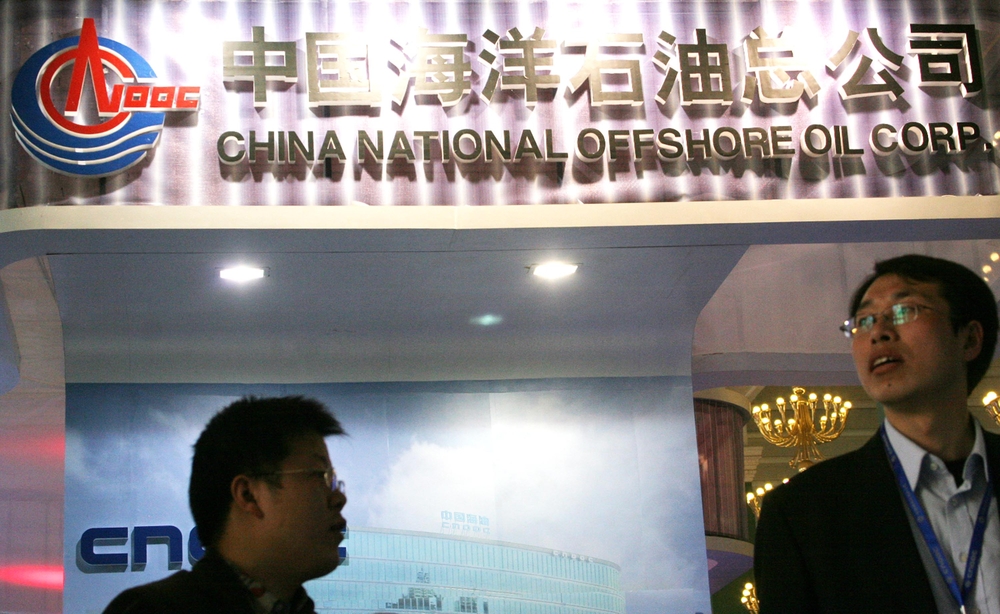
China’s CNOOC expands footprint in Africa with new Mozambique offshore blocks
China National Offshore Oil Corporation (CNOOC) has made a strategic move by signing oil exploration and production concession contracts with Mozambique’s energy ministry and national energy company ENH. This agreement covers five offshore blocks in Mozambique, spanning a total area of approximately 29,000…

Despite rhetoric, China still needs U.S. chips to keep auto industry moving
At a recent electronics fair in Shanghai, Chinese semiconductor companies were out in force, showcasing their ambitions with bold slogans like “Offering complete domestic solutions” and “Use Chinese chips, love Chinese chips.” These catchphrases reflect Beijing’s push for technological self-reliance. But despite the patriotic marketing, China’s dependence on certain American semiconductors remains stark—especially in key industrial sectors like automotive manufacturing.
That reality was thrown into sharp relief in late April when China unexpectedly lifted its 125% retaliatory tariffs on eight categories of U.S.-made chips. The decision, which followed lobbying by major Chinese automakers, reveals how difficult it has been for China to reduce its reliance on foreign semiconductors, particularly in areas where domestic substitutes remain immature or untested.