
Pentagon signs $3.1 billion semiconductor deal with GlobalFoundries
- September 25, 2023
- Posted by: Quatro Strategies
- Categories: Aerospace & Defense, AI & Semiconductors, United States
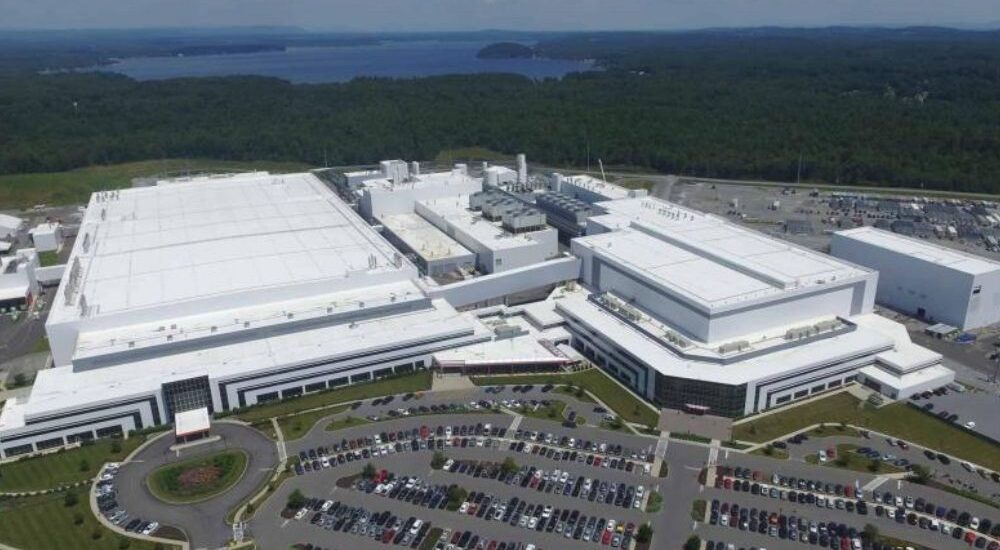
The US Department of Defense (DoD) has solidified a 10-year, USD 3.1 billion semiconductor manufacturing agreement with GlobalFoundries (GF), based in New York. This contract aims to produce vital microelectronics for existing and future aerospace systems and weapons platforms.
GF will receive an initial payment of USD 17.3 million as part of the contract with the Defense Microelectronics Activity (DMEA), according to a company statement released on September 21. The agreement stipulates that the Pentagon and its contractors will have access to GF-manufactured semiconductor technologies over the next decade.
Aside from providing the DoD access to domestically manufactured microelectronics systems and components, the agreement allows the Pentagon access to GF’s design ecosystem, IP libraries, early exposure to developing technologies, swift prototyping, and full-scale volume production.
This recent deal with the DoD is the third of its kind between the department and GF, with the previous agreements also spanning 10 years each. GF’s domestic semiconductor manufacturing facilities have been categorized by the DoD as Trusted Supplier Category 1A.
Manufacturing guidelines for 1A trusted suppliers have stringent security measures to safeguard sensitive information and ensure the highest levels of chip integrity, as stated in the company’s official statement. GF is accredited at the 1A level, providing the necessary security for various DoD programs and ensuring the highest level of microelectronics manufacturing security.
This strategic partnership underlines the importance of securing a domestic semiconductor supply chain for critical defense technologies and applications.
QUATRO Strategies International Inc. is the leading business insights and corporate strategy company based in Toronto, Ontario. Through our unique services, we counsel our clients on their key strategic issues, leveraging our deep industry expertise and using analytical rigor to help them make informed decisions to establish a competitive edge in the marketplace.
Interested in learning more?
Sign up for Top Insights Today

Top Insights Today delivers the latest insights straight to your inbox.
You will get daily industry insights on
Oil & Gas, Rare Earths & Commodities, Mining & Metals, EVs & Battery Technology, ESG & Renewable Energy, AI & Semiconductors, Aerospace & Defense, Sanctions & Regulation, Business & Politics.
Read more insights
India’s steel sector returns to net exporter status after two years
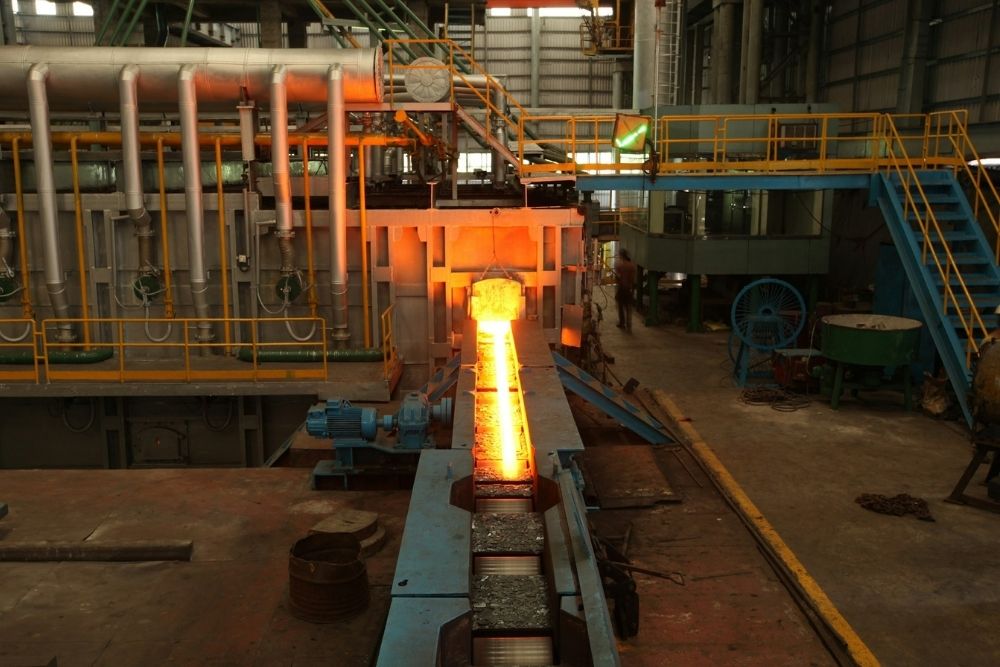
India has swung back to being a net exporter of finished steel, a notable reversal after two years in which import pressure had become a major concern for domestic mills. Provisional government data show that in fiscal year 2025/26, which ended on March 31, India exported 6.6 million metric tons of finished steel, up 35.9% from a year earlier, while imports fell 31.7% to 6.5 million tons.
Crude steel production rose to 169.2 million tons, up 11.2%, and finished steel consumption climbed 8% to 164.2 million tons. Italy, Vietnam, Belgium, the UAE, and Spain were the biggest buyers of Indian finished steel, while South Korea, China, Japan, Vietnam, and Russia were the main sources of imports into India.
Antimony goes strategic, as U.S. scrambles to rebuild supply
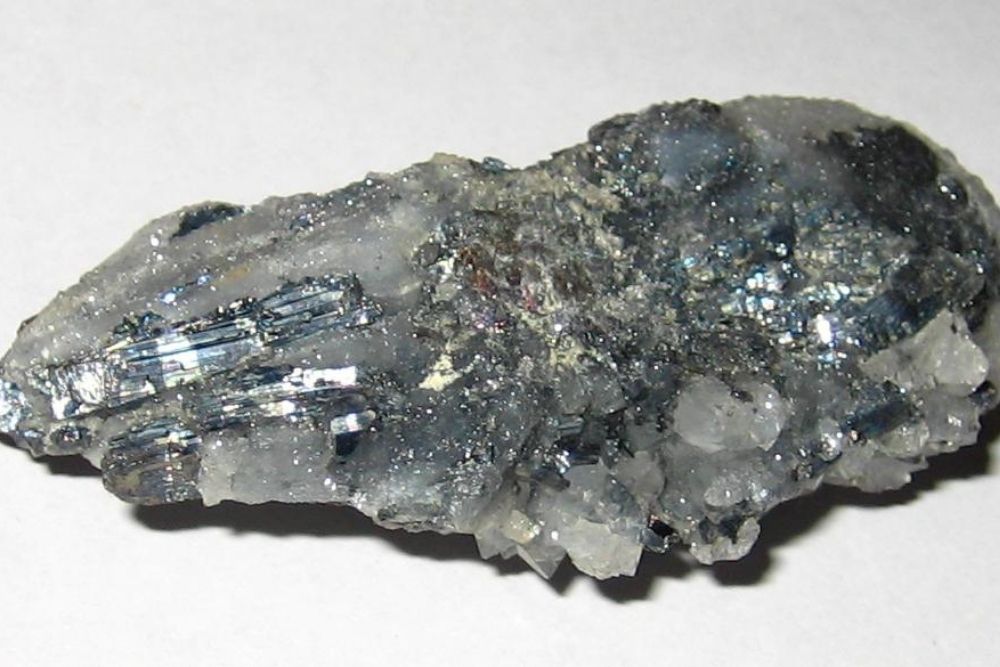
The sudden transformation of antimony from mining waste into strategically critical material illuminates how great power competition fundamentally reshapes resource valuations and industrial priorities. What prospectors once discarded while pursuing precious metals has become the object of frantic exploration, massive government investment, and contentious local battles, a metamorphosis driven entirely by geopolitical confrontation rather than technological innovation or market discovery.
Antimony’s journey from overlooked byproduct to national security priority reflects recurring patterns in how industrial economies value natural resources. Throughout history, materials have oscillated between obscurity and critical importance based on technological requirements and geopolitical circumstances.
Exxon announces $60 billion acquisition of shale gas producer Pioneer
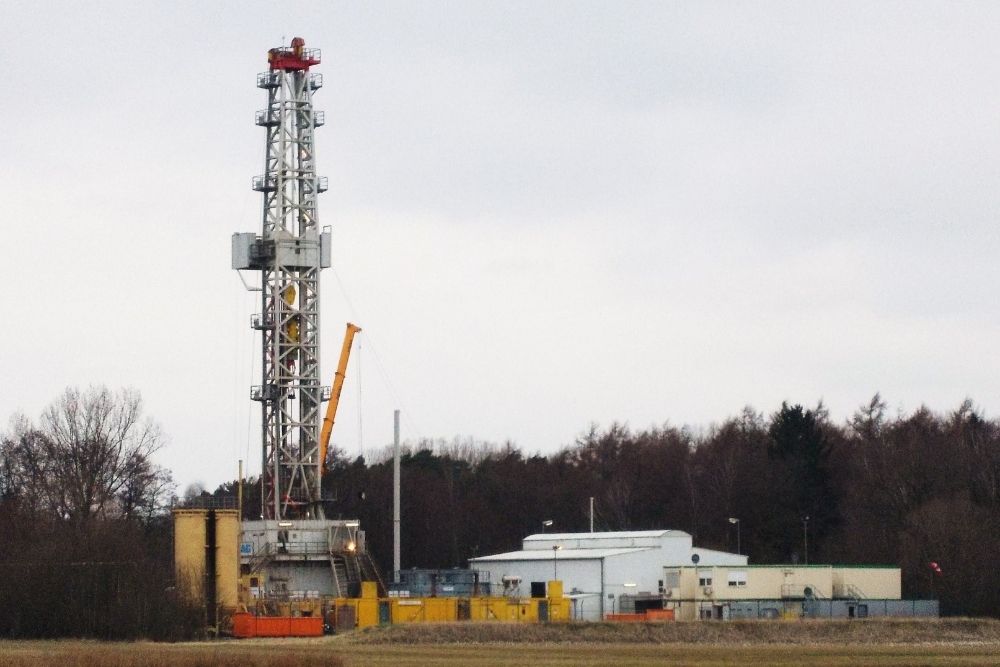
Exxon Mobil announced its acquisition of U.S. rival Pioneer Natural Resources for about $60 billion, in a deal that positions it as the dominant player in the largest U.S. oilfield, securing a decade of low-cost production. The expected all-stock offer values Pioneer at over $250 a share, constituting the most…