
Russia lifts ban on exports of low-quality diesel
- September 26, 2023
- Posted by: Quatro Strategies
- Categories: Europe, Oil & Gas, Sanctions & Regulation
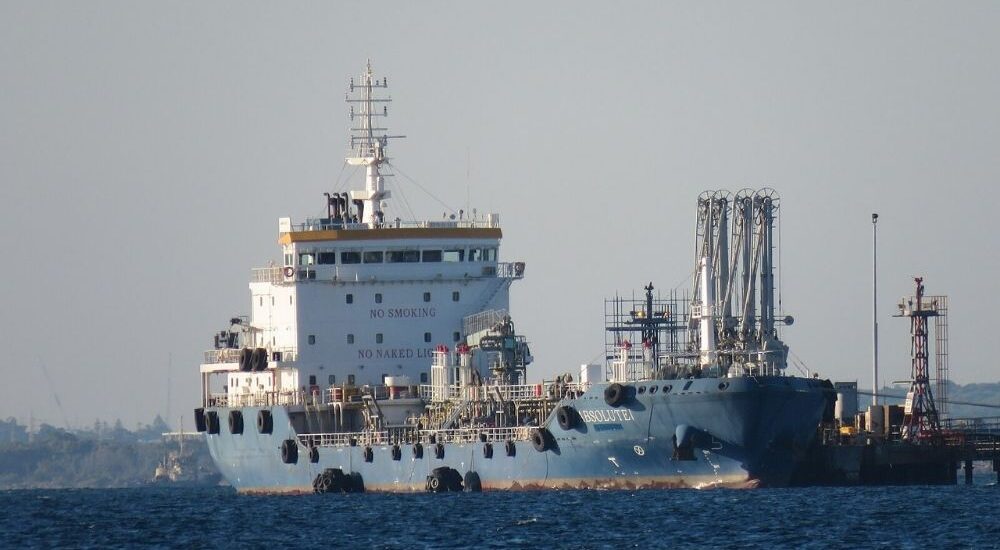
Russia has made adjustments to its recent fuel export ban, lifting restrictions on specific types of fuel, including fuel used for bunkering certain vessels and high-sulfur content diesel. The government document, dated September 23, also indicated that restrictions were lifted on the export of fuel that had already been accepted for export by the Russian Railways and Transneft before the initial ban was announced.
However, the indefinite ban on all types of gasoline and high-quality diesel remains in place. Analysts anticipate that this ban is likely to be short-lived and will be completely lifted after the harvest season ends next month.
The initial export ban, announced on Thursday, encompassed gasoline and diesel, affecting all countries outside a select group of four ex-Soviet states. The primary objective was to stabilize the domestic fuel market. This move followed a notable decline in wholesale prices for diesel and gasoline in Russia.
In recent months, Russia has grappled with fuel shortages and a surge in wholesale fuel prices, even though retail prices have been capped to mitigate the impact of inflation. The fuel scarcity has been particularly acute in parts of Russia’s southern breadbasket, where fuel is critical for the harvest. This situation could pose a challenge for the Kremlin, especially with a presidential election looming in March.
It’s worth noting that Russia had already reduced its seaborne diesel and gasoil exports by almost 30% in the first 20 days of September compared to the same period in August. This export ban was a part of the measures aimed at stabilizing the domestic fuel market and ensuring sufficient supply during a critical period.
QUATRO Strategies International Inc. is the leading business insights and corporate strategy company based in Toronto, Ontario. Through our unique services, we counsel our clients on their key strategic issues, leveraging our deep industry expertise and using analytical rigor to help them make informed decisions to establish a competitive edge in the marketplace.
Interested in learning more?
Sign up for Top Insights Today

Top Insights Today delivers the latest insights straight to your inbox.
You will get daily industry insights on
Oil & Gas, Rare Earths & Commodities, Mining & Metals, EVs & Battery Technology, ESG & Renewable Energy, AI & Semiconductors, Aerospace & Defense, Sanctions & Regulation, Business & Politics.
Read more insights
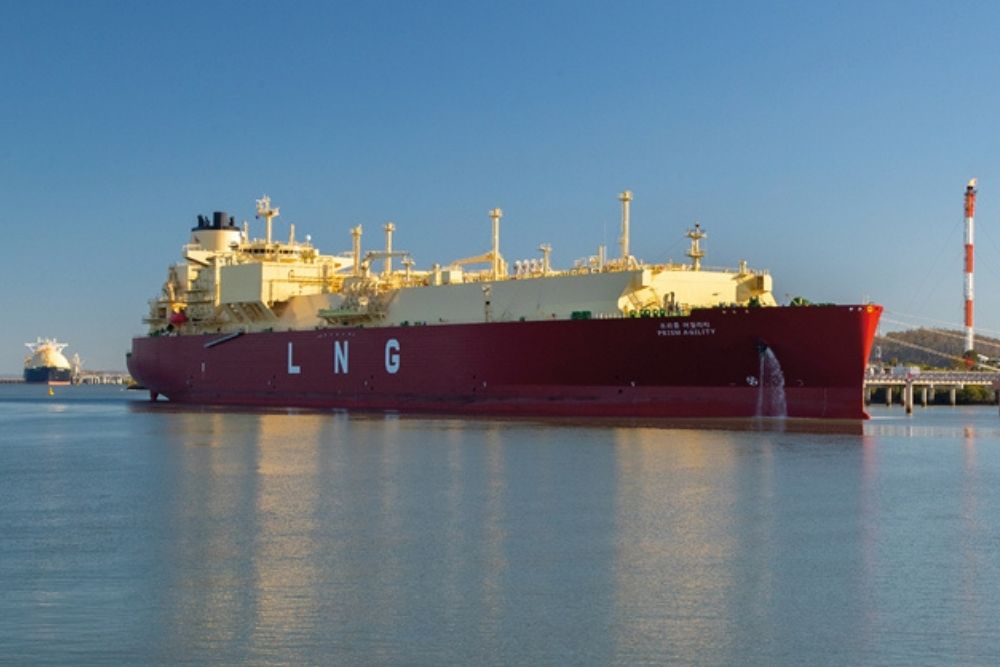
Europe’s gas market enters summer refill season with shrinking LNG supply
The European gas market is bracing for increased volatility as it enters the crucial summer restocking season amid tightening global supplies of liquefied natural gas (LNG), a resource on which the continent is now heavily dependent. This winter saw a significant rise in gas demand across Europe compared to the past two years, driven by colder temperatures, a sharp decline in wind power generation, and a rebound in industrial activity.
Between November 2024 and February 2025, gas consumption in northwest Europe—comprising Germany, France, the Netherlands, and Belgium—averaged 7,059 gigawatt hours per day.
Australia’s MinRes sells 30% of lithium JV vehicle to POSCO for $765m
Mineral Resources has found a timely way to repair its balance sheet and reaffirm the value of its lithium portfolio, striking a $765 million deal to sell 30% of a newly formed vehicle holding its 50% stakes in the Wodgina and Mt Marion mines to South Korea’s POSCO. The transaction hands POSCO an effective 15% interest in each project while leaving day-to-day operations with MinRes under existing joint-venture arrangements.
Investors took the message immediately: the stock ripped to a one-year high, a sharp reversal for a company that has been digging out from heavy Onslow Iron spending, a bruising collapse in lithium prices, and persistent questions about governance under founder-CEO Chris Ellison. For POSCO, which is already building out lithium hydroxide capacity at home with Pilbara Minerals, the step is a first direct foothold in Australian upstream supply at a moment when valuations are still far below the 2022 frenzy.
Eurozone’s largest lender BNP Paribas to no longer finance metallurgical coal projects
BNP Paribas, the largest bank in the euro zone, announced on Thursday that it no longer provides financing to projects dedicated to the extraction of metallurgical coal. This commitment is part of BNP Paribas’ broader efforts to align its credit portfolio in the steel sector with its…