
Argentine miners want the upcoming government to develop lithium strategy
- September 27, 2023
- Posted by: Quatro Strategies
- Categories: Americas, Business & Politics, Mining & Metals
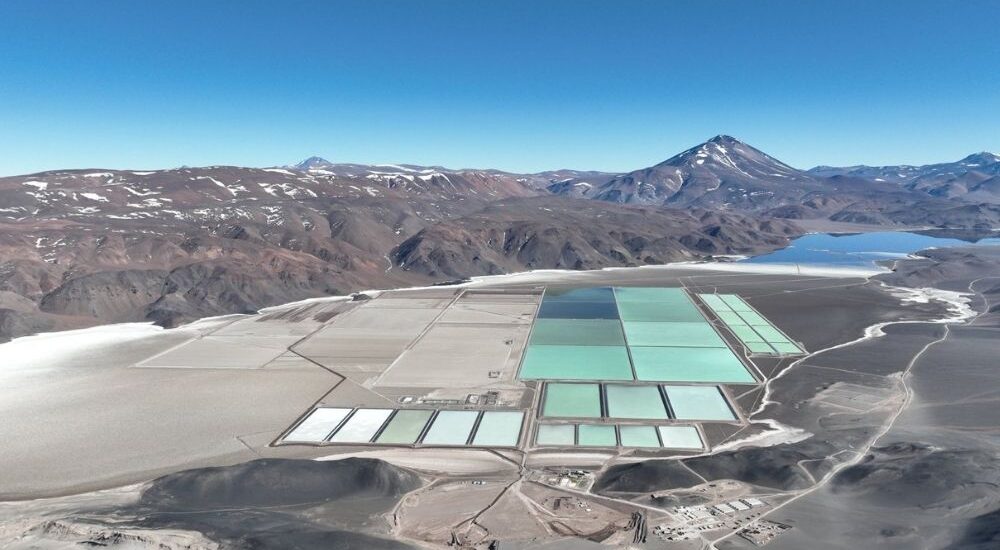
Argentina is rapidly emerging as the world’s fastest-growing lithium producer. However, to surpass its regional rivals and maximize this opportunity, the incoming administration needs to create a favorable environment for developers. Hurdles faced by lithium development in neighboring countries like Chile and Bolivia, such as tax hikes and stricter environmental standards, have opened doors for Argentina.
The country must now focus on avoiding unpredictable state interventionism that has hampered growth in various sectors.
Tomas de Pablos Souza, President of Liex SA (a unit of China’s Zijin Mining Group Co.), emphasized the need for a strategic approach from the upcoming administration.
He urged for clear rules, legal protections for companies, and approval of electro-mobility legislation to encourage lithium investments. This call for better business conditions aligns with the growing demand for lithium, a crucial component in electric vehicle batteries.
Currently ranked as the fourth-largest lithium producer, Argentina has the potential to propel itself to second place behind Australia within a few years, given its substantial lithium reserves. The presidential candidates, particularly those promising to deregulate the economy, play a significant role in ensuring the country can seize this opportunity effectively.
Zijin unit Liex is actively involved in developing lithium projects in Argentina, such as the Tres Quebradas site. The country’s lithium production is vital in meeting the soaring demand driven by the expanding electric vehicle market, making it a critical player in the global lithium industry.
QUATRO Strategies International Inc. is the leading business insights and corporate strategy company based in Toronto, Ontario. Through our unique services, we counsel our clients on their key strategic issues, leveraging our deep industry expertise and using analytical rigor to help them make informed decisions to establish a competitive edge in the marketplace.
Interested in learning more?
Sign up for Top Insights Today

Top Insights Today delivers the latest insights straight to your inbox.
You will get daily industry insights on
Oil & Gas, Rare Earths & Commodities, Mining & Metals, EVs & Battery Technology, ESG & Renewable Energy, AI & Semiconductors, Aerospace & Defense, Sanctions & Regulation, Business & Politics.
Read more insights
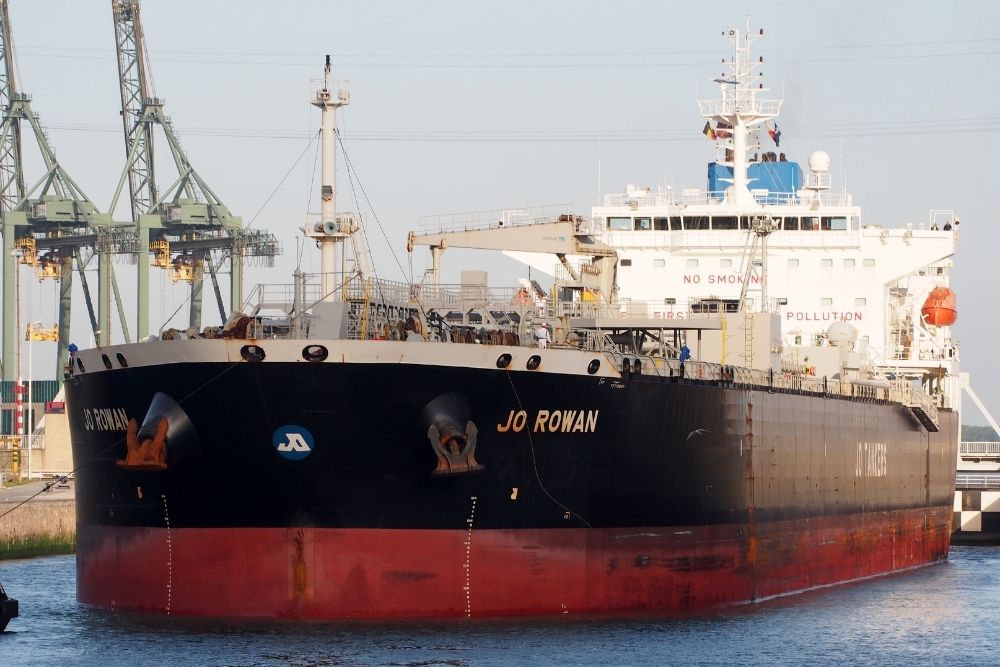
Hormuz closure turns Gulf war into a system-wide energy stress test
Markets are staring at an “energy-system stress test” rather than a conventional geopolitical premium, because several failure points are stacking up at once: the Strait of Hormuz is operating as if it’s closed in practice, a major Saudi refinery is offline, and Qatar’s LNG export complex has been hit.
In that setup, the range of outcomes is unusually wide because the key variable isn’t “how high can oil go in theory,” but “how long can physical flows remain impaired before the logistics and inventory buffers snap.
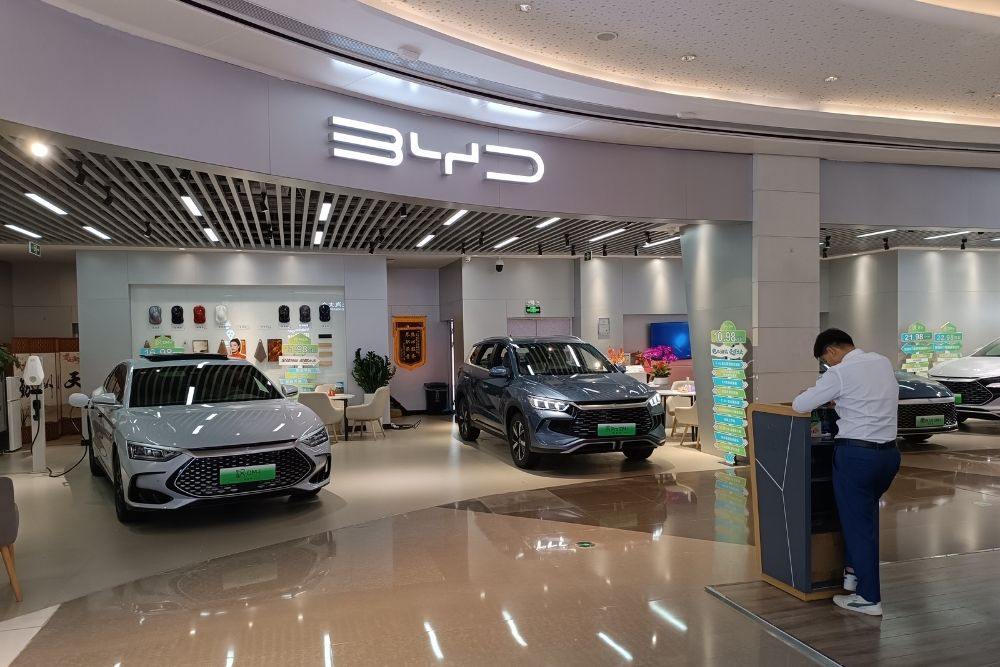
BYD enters lithium mining in Brazil, securing key EV battery supply
BYD, the Chinese electric vehicle giant, has acquired mineral rights for two lithium-rich plots in Brazil, marking its entry into the mining sector in one of its most important markets outside China. The move, made through its subsidiary Exploracao Mineral do Brasil, represents a significant step in securing strategic minerals in the Western…
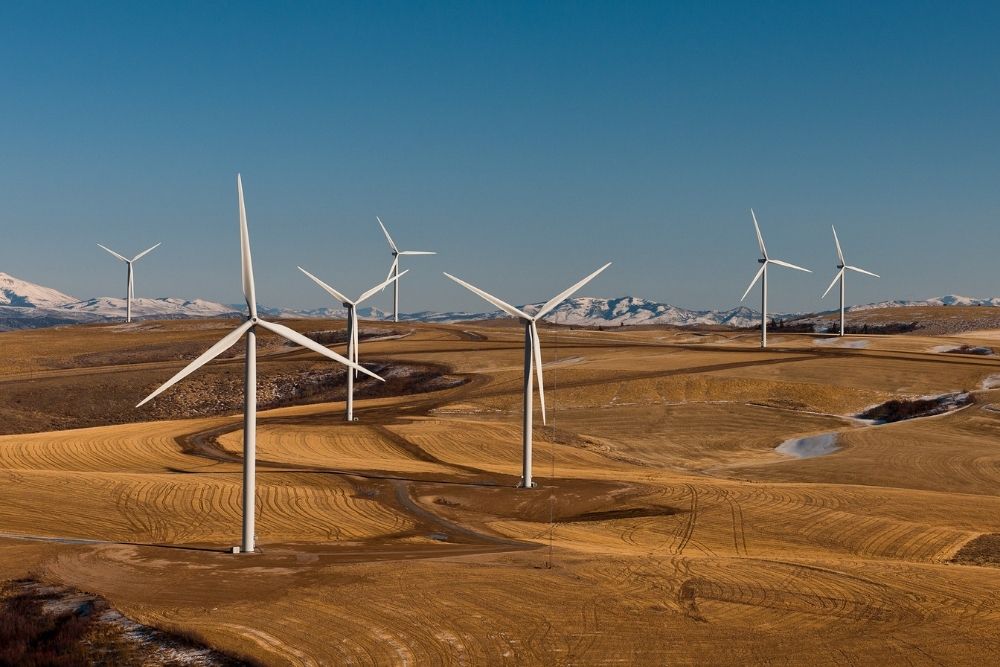
Europe’s wind generation exceeds coal in Q4 2023 milestone
In a significant milestone, Europe’s power producers generated more electricity from wind than from coal in the last quarter of 2023, marking a key achievement in the region’s energy transition efforts. Utilities in Europe produced a record 193 terawatt hours (TWh) of electricity from wind sites…