
Japan’s Mitsubishi to abandon auto production in China
- September 28, 2023
- Posted by: Quatro Strategies
- Categories: Asia Pacific, Business & Politics, China, EVs & Battery Technology

Mitsubishi Motors has reportedly made the decision to cease automobile production in China and is currently discussing its exit with its local joint venture partner, Guangzhou Automobile Group (GAC). The joint venture, known as GAC Mitsubishi Motors, was established in 2012 and has been primarily focused on SUV sales in China.
It is anticipated that Guangzhou Automobile Group will repurpose the plant, situated in Hunan province, into a production facility for electric vehicles. This aligns with the broader industry shift towards electric mobility and the growing demand for electric vehicles globally.
The decision to halt automobile production in China is part of Mitsubishi Motors’ strategic considerations for its China business. The company, along with its shareholders in the joint venture, is in ongoing discussions to determine the best course of action. The venture previously faced challenges, including slowing sales and the cessation of production for the Outlander sports utility vehicle due to weak sales.
Mitsubishi Motors aims to navigate the evolving automotive landscape, which is witnessing a significant shift towards electric and sustainable mobility solutions. This move is in line with global trends where automakers are increasingly focusing on electric vehicle production and realigning their strategies to meet changing consumer preferences and regulatory requirements.
QUATRO Strategies International Inc. is the leading business insights and corporate strategy company based in Toronto, Ontario. Through our unique services, we counsel our clients on their key strategic issues, leveraging our deep industry expertise and using analytical rigor to help them make informed decisions to establish a competitive edge in the marketplace.
Interested in learning more?
Sign up for Top Insights Today

Top Insights Today delivers the latest insights straight to your inbox.
You will get daily industry insights on
Oil & Gas, Rare Earths & Commodities, Mining & Metals, EVs & Battery Technology, ESG & Renewable Energy, AI & Semiconductors, Aerospace & Defense, Sanctions & Regulation, Business & Politics.
Read more insights
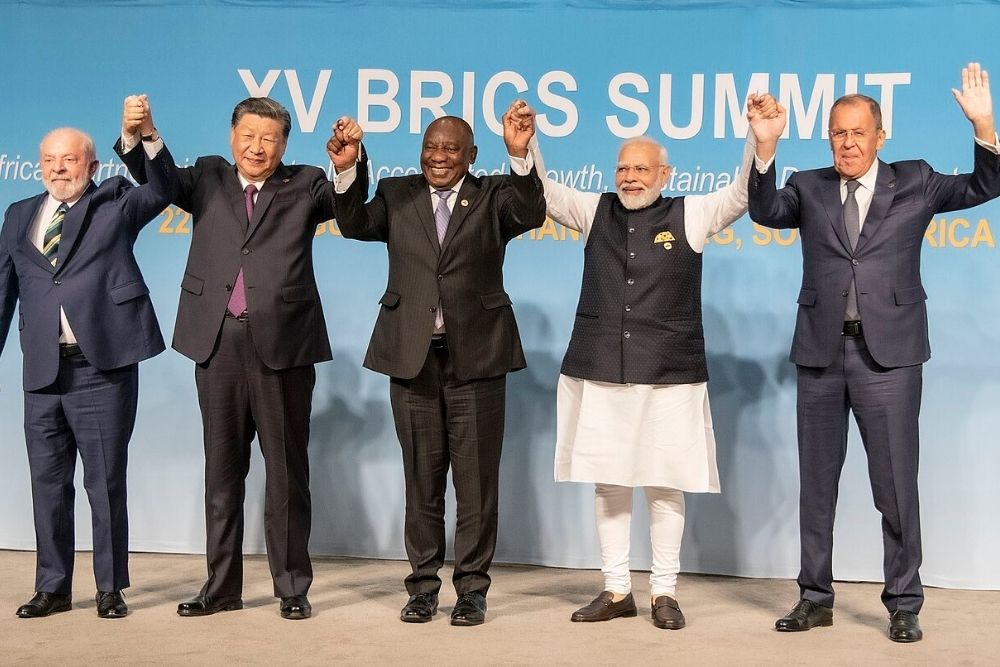
BRICS admits six new members to the bloc
The BRICS bloc, consisting of Brazil, Russia, India, China, and South Africa, has made the historic decision to admit six new member countries: Saudi Arabia, Iran, Ethiopia, Egypt, Argentina, and the United Arab Emirates (UAE). This expansion marks the first in 13 years for the BRICS group, signaling a renewed effort to reshape the global order that is perceived as outdated.

Fossil-free chemicals takes first step, but global industry risks missing the moment
In May, Europe marked a landmark achievement in its decarbonisation efforts with the launch of the world’s first commercial-scale e-methanol facility in Kassø, Denmark. Developed by European Energy, the plant will annually produce 42,000 metric tonnes of synthetic methanol, primarily for use in the shipping sector and in low-carbon plastics.
Major corporate buyers include Novo Nordisk and Lego, which plan to use this green material in their products. This initiative is expected to cut carbon emissions by up to 95%. Unlike conventional methanol production, which uses hydrogen derived from natural gas, this plant leverages green hydrogen created through three Siemens electrolysers powered by renewable energy sourced from Europe’s largest solar park.
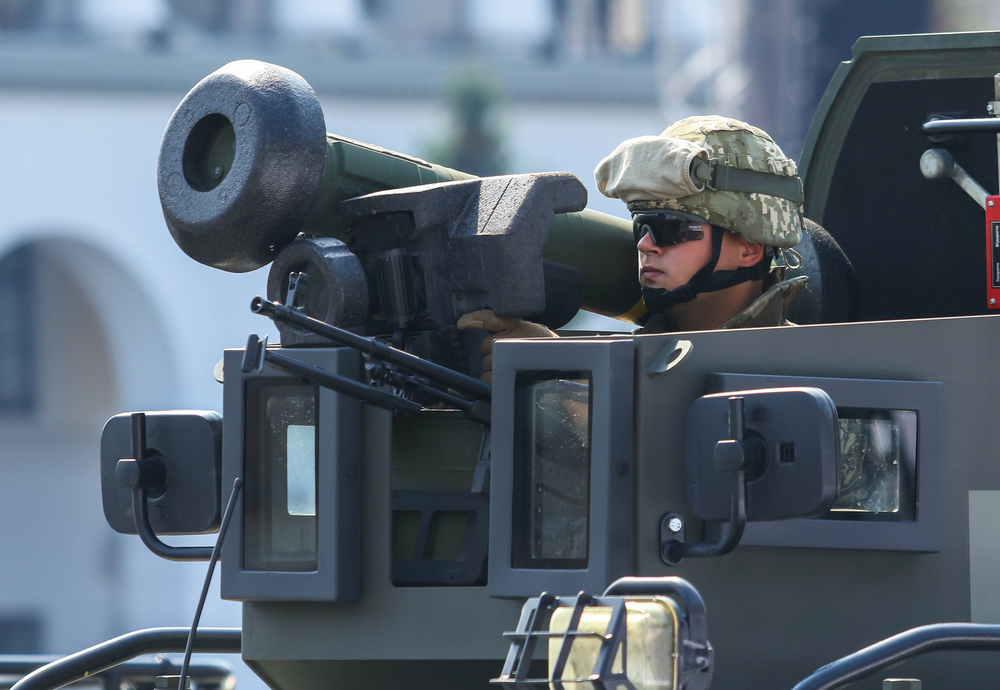
EU weighs expanding definition of defense investment
European Union governments are considering broadening the definition of defense investment, a move that would allow for increased military spending without triggering punitive EU fiscal rules on borrowing. The proposal comes as Russia’s war in Ukraine enters its fourth year and amid renewed U.S. pressure for Europe to boost defense spending…