
Poland takes significant step towards building first nuclear plants
- September 28, 2023
- Posted by: Quatro Strategies
- Categories: ESG & Renewable Energy, Europe, United States
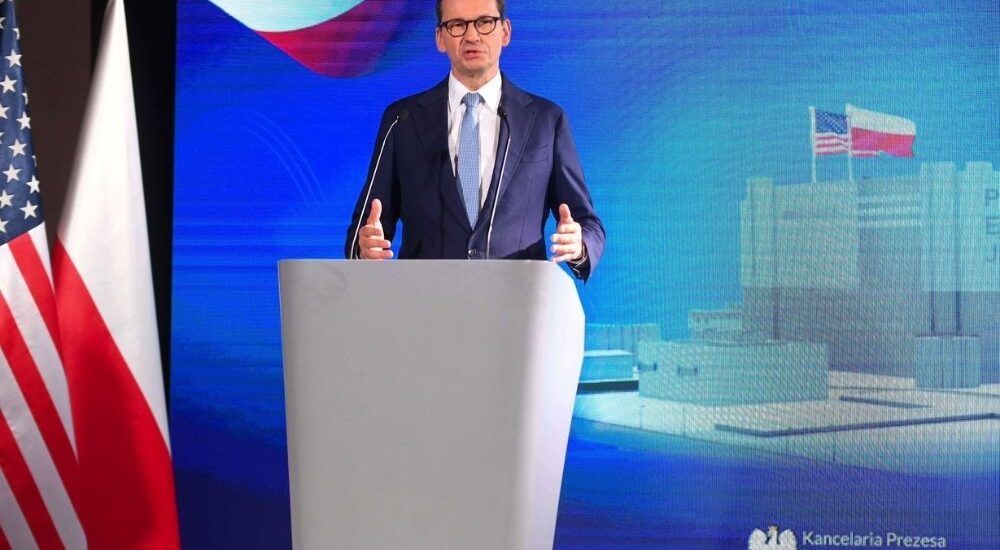
Poland took a significant step towards its first nuclear power plant with the signing of a deal between the Polish government and a consortium of U.S. companies, including Westinghouse and Bechtel. The nuclear plant, to be situated in the Pomerania region near the Baltic Sea, is a central part of Poland’s move away from fossil fuels.
The $40 billion agreement with state-owned Polskie Elektrownie Jadrowe (PEJ) involves the construction of two plants, each with three reactors. The first reactor is expected to be online by 2033, with the entire project operational within a decade after that.
Poland views nuclear energy as a crucial element of clean energy and a means to reduce dependence on Russian energy supplies.
The government believes that without nuclear energy, along with large-scale and small modular reactors (SMRs), achieving climate ambitions and ensuring energy security will be challenging.
However, the stance on nuclear energy differs within the European Union. While countries like France support nuclear energy, Germany and Spain reject the idea that it should be classified as renewable. Pro-nuclear EU member states aim to achieve 150 gigawatts of nuclear power capacity in the bloc’s electricity mix by 2050.
Currently, there are 103 reactors in 13 of the EU’s 27 member states, contributing to approximately 25% of the EU’s energy, with more than half produced in France. Only Italy and Lithuania have completed a total phase-out of nuclear power so far.
QUATRO Strategies International Inc. is the leading business insights and corporate strategy company based in Toronto, Ontario. Through our unique services, we counsel our clients on their key strategic issues, leveraging our deep industry expertise and using analytical rigor to help them make informed decisions to establish a competitive edge in the marketplace.
Interested in learning more?
Sign up for Top Insights Today

Top Insights Today delivers the latest insights straight to your inbox.
You will get daily industry insights on
Oil & Gas, Rare Earths & Commodities, Mining & Metals, EVs & Battery Technology, ESG & Renewable Energy, AI & Semiconductors, Aerospace & Defense, Sanctions & Regulation, Business & Politics.
Read more insights
China’s fragile recovery faces setback with weak Q2 growth and falling retail sales
China’s economy grew much slower than expected in the second quarter as a protracted property downturn and job insecurity knocked the wind out of a fragile recovery, keeping alive expectations Beijing will need to unleash even more stimulus. The world’s second-largest economy grew 4.7% in April-June, according…
Denmark launches $4 billion Arctic defense overhaul, expanding F-35 fleet
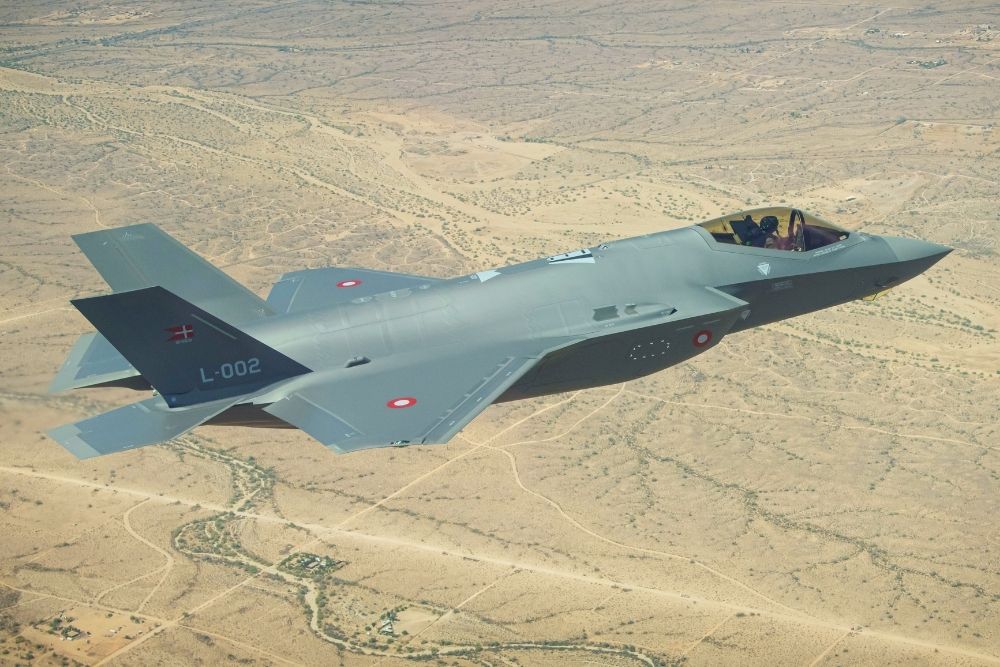
Denmark has decided to thicken its Arctic spine. Copenhagen will pour roughly 27.4 billion crowns into Greenland and the Faroe Islands for ships, sensors, aviation and command infrastructure and on top of that, buy 16 more F-35s, lifting its planned fleet from 27 to 43 aircraft.
The package is as much alliance diplomacy as it is force structure. It answers persistent U.S. criticism that Denmark has under-resourced Greenland’s defense even as the island’s value to missile warning, space surveillance and North Atlantic access has grown.

Markets reprice Middle East conflict as stagflation risk, not a one-day shock
Investors are beginning to treat the Middle East war as a macro shock with duration risk rather than a headline flare-up that fades once the first round of strikes is absorbed.
The initial market response earlier in the week still had that familiar “risk-off, then stabilize” feel, but the newer move is psychological and quantitative: the longer tanker traffic remains impaired and the more energy infrastructure is threatened, the more markets start pricing a stagflationary mix of weaker growth and higher inflation that undermines the case for rate cuts.