
American Lithium sets ambitious 2027 target to open Peru’s first lithium mine
- September 29, 2023
- Posted by: Quatro Strategies
- Categories: Americas, Mining & Metals, Rare Earths & Commodities
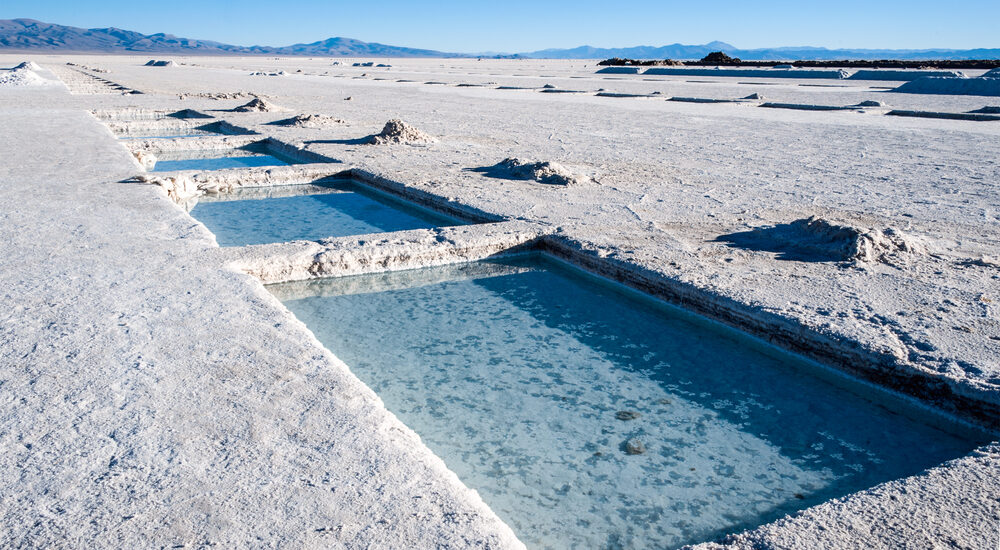
Macusani Yellowcake, a subsidiary of American Lithium, is embarking on an ambitious endeavor in Peru—to open the country’s first lithium mine at an unprecedented pace despite the often slow permitting processes that frequently stall projects for years. Ulises Solis, the CEO of Macusani Yellowcake, the local subsidiary leading the development of the Falchani lithium project in Peru, expressed optimism about the project’s potential, aiming for operations to commence in 2027.
This would mark a remarkably swift turnaround for a mining project that hasn’t yet submitted its main environmental impact assessments for review.
The Peruvian government is currently striving to approve mining projects as part of an effort to rejuvenate its struggling economy. Peru holds a prominent position in copper mining, but years of political instability have hampered its ability to attract new investments to the sector.
Under the leadership of President Dina Boluarte, the administration has made promises of faster permit approvals to entice miners, although these reforms are yet to be fully implemented. The government frequently references Falchani as one of the few projects with the potential to commence operations in the coming years.
Falchani represents an $880 million investment for one of Peru’s economically deprived regions, an area that witnessed significant protests earlier this year. Despite this, the government has recognized Falchani as a project critical to its agenda.
However, the venture faces challenges, including the ongoing slump in lithium prices due to an oversupply in the market. While there’s uncertainty about whether the market will tighten again by the time production begins at the mine, Solis remains optimistic.
Solis revealed that the project boasts resources worth 4.7 million metric tons of lithium carbonate equivalent. At its peak, it’s expected to produce 100,000 tons of lithium carbonate equivalent each year, featuring its own lithium refinery. However, the refinery won’t be ready in the initial year, during which unrefined lithium will be shipped to generate cash flow as quickly as possible.
Falchani is perceived as a strategic initiative to boost Peru’s mining sector, attract new investments, and spur economic growth in the region.
QUATRO Strategies International Inc. is the leading business insights and corporate strategy company based in Toronto, Ontario. Through our unique services, we counsel our clients on their key strategic issues, leveraging our deep industry expertise and using analytical rigor to help them make informed decisions to establish a competitive edge in the marketplace.
Interested in learning more?
Sign up for Top Insights Today

Top Insights Today delivers the latest insights straight to your inbox.
You will get daily industry insights on
Oil & Gas, Rare Earths & Commodities, Mining & Metals, EVs & Battery Technology, ESG & Renewable Energy, AI & Semiconductors, Aerospace & Defense, Sanctions & Regulation, Business & Politics.
Read more insights
Japan’s Kyushu pauses decision on US LNG investment amid export license review
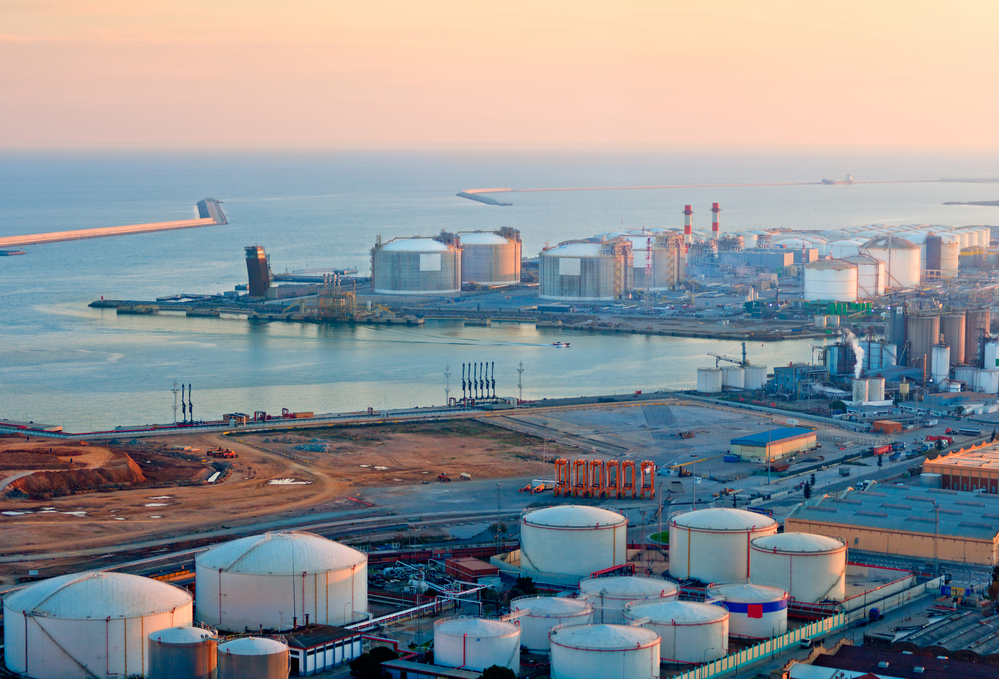
Kyushu Electric Power, a major utility company in Japan, is deliberating on its investment decision regarding the Lake Charles liquefied natural gas (LNG) project in Louisiana, United States. The company has indicated that it will wait until after the United States resumes issuing export licenses for…

Japan’s Mitsubishi to abandon auto production in China
Mitsubishi Motors has reportedly made the decision to cease automobile production in China and is currently discussing its exit with its local joint venture partner, Guangzhou Automobile Group (GAC). The joint venture, known as GAC Mitsubishi Motors, was established in 2012 and has been primarily focused on SUV sales in China.
U.S. sanctions Chinese oil terminal in crackdown on Iran’s crude trade
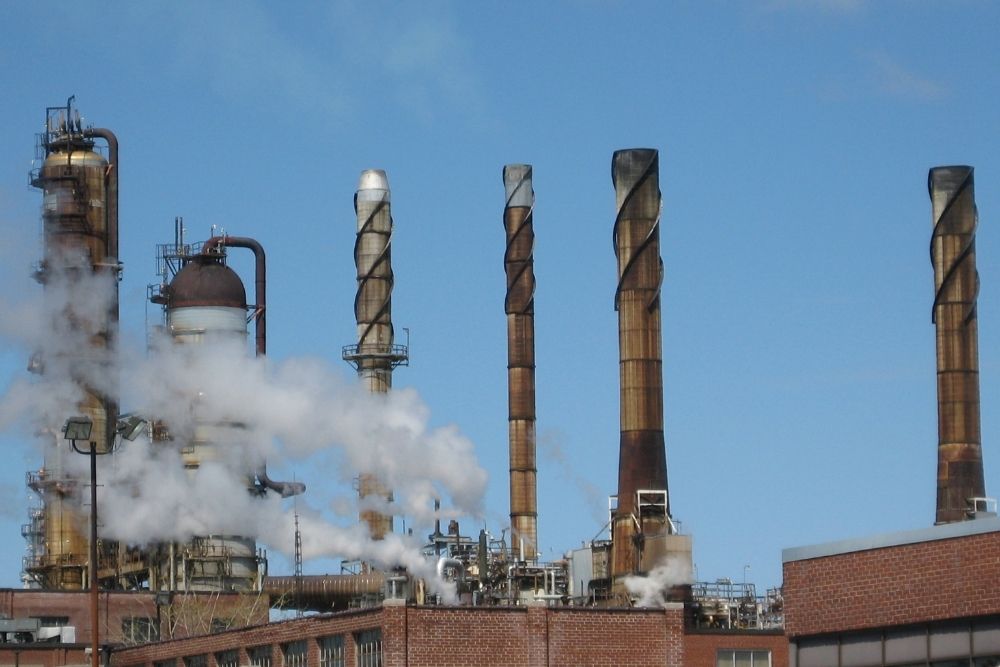
The United States has imposed sanctions on Zhoushan Jinrun Petroleum Transfer Co., marking the fourth Chinese oil terminal penalized in connection with the trade of Iranian crude, as Washington intensifies its crackdown on what it says is a key revenue stream for terrorism-linked activities by Tehran.
According to the U.S. State Department, Zhoushan Jinrun received at least six shipments of Iranian oil, triggering its inclusion in a list of 20 newly sanctioned entities. The company operates a terminal in Zhoushan, an eastern port city that houses some of China’s largest and most strategically important refineries.