
Norway’s Hystar to build electrolyzer plant in Oslo, expand into North America
- October 2, 2023
- Posted by: Quatro Strategies
- Categories: Americas, ESG & Renewable Energy, Europe

Hystar, a Norwegian electrolyser company, is embarking on significant expansion plans, aiming to build a new factory outside Oslo and expand into North America to tap into investment incentives. Electrolysers are instrumental in producing green hydrogen by splitting water using electricity, enabling the decarbonization of industry sectors that can’t transition to electricity directly. Hystar has garnered financial support from Japanese companies Mitsubishi and Nippon Steel Trading.
The company is set to construct a factory in Hoevik outside Oslo, capable of producing 4 gigawatts of electrolyser capacity annually. The facility is expected to be operational by 2026.
Hystar’s technology boasts a 10% energy efficiency improvement compared to current models and is designed to be easily scalable. The company already operates a small research and production facility at the site, which can assemble 50 MW of electrolyser capacity.
Beyond Europe, Hystar is eyeing North America for expansion, planning to set up a North American headquarters in 2024 and aiming to build a multi-gigawatt factory by 2027. The company sees attractive incentives in the U.S. and Canada, with the U.S. Inflation Reduction Act (IRA) providing investment incentives.
The company sees strong demand in the U.S. hydrogen market, particularly with the government proposing up to 10 hydrogen hubs soon, prompting an accelerated and more ambitious expansion strategy.
QUATRO Strategies International Inc. is the leading business insights and corporate strategy company based in Toronto, Ontario. Through our unique services, we counsel our clients on their key strategic issues, leveraging our deep industry expertise and using analytical rigor to help them make informed decisions to establish a competitive edge in the marketplace.
Interested in learning more?
Sign up for Top Insights Today

Top Insights Today delivers the latest insights straight to your inbox.
You will get daily industry insights on
Oil & Gas, Rare Earths & Commodities, Mining & Metals, EVs & Battery Technology, ESG & Renewable Energy, AI & Semiconductors, Aerospace & Defense, Sanctions & Regulation, Business & Politics.
Read more insights
Asia adjusts to LNG shock through demand destruction, not resilience
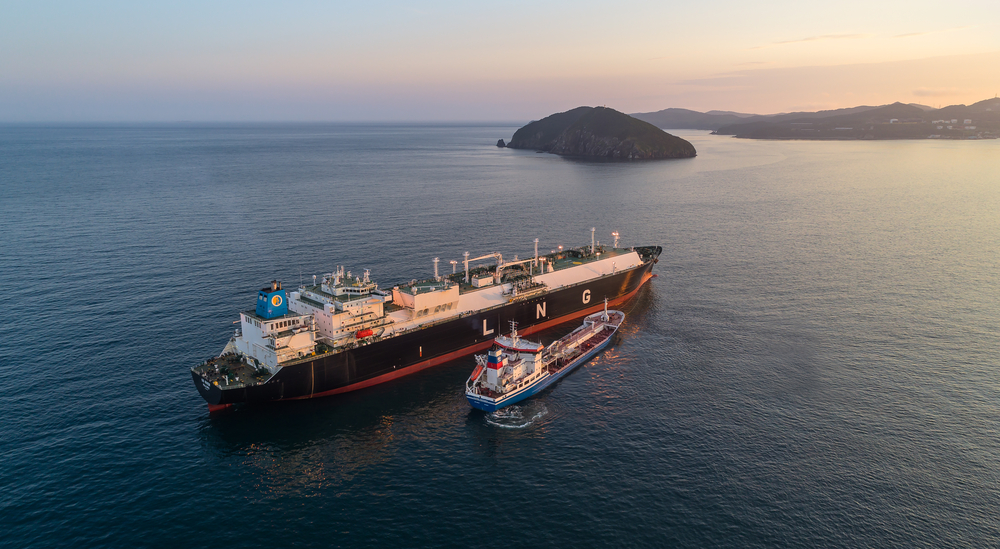
Asia’s LNG market is adjusting to the Gulf shock, but it is doing so through contraction rather than resilience. Imports are set to fall to about 19.03 million metric tons in April, the lowest since June 2020. That decline reflects the near disappearance of Qatari supply to Asia after the closure of Hormuz, with April arrivals from Qatar expected to collapse to about 800,000 tons from an average of just over 6 million tons in the three months before the war.
What makes this adjustment look less chaotic than the oil market is that the burden is being distributed unevenly. China, the region’s biggest LNG buyer, is absorbing much of the shock by cutting imports sharply and, earlier in the crisis, even reselling cargoes into a tight market.

US reaches key milestone with new offshore wind approval
The U.S. Interior Department approved the ninth commercial-scale offshore wind project on Tuesday, advancing the Biden administration’s objective of deploying 30 gigawatts of offshore wind capacity by 2030. Interior Secretary Deb Haaland remarked, “Today’s milestone is yet another step toward our ambitious…
Trans-Pacific trade lane buckles under weight of U.S.-China decoupling
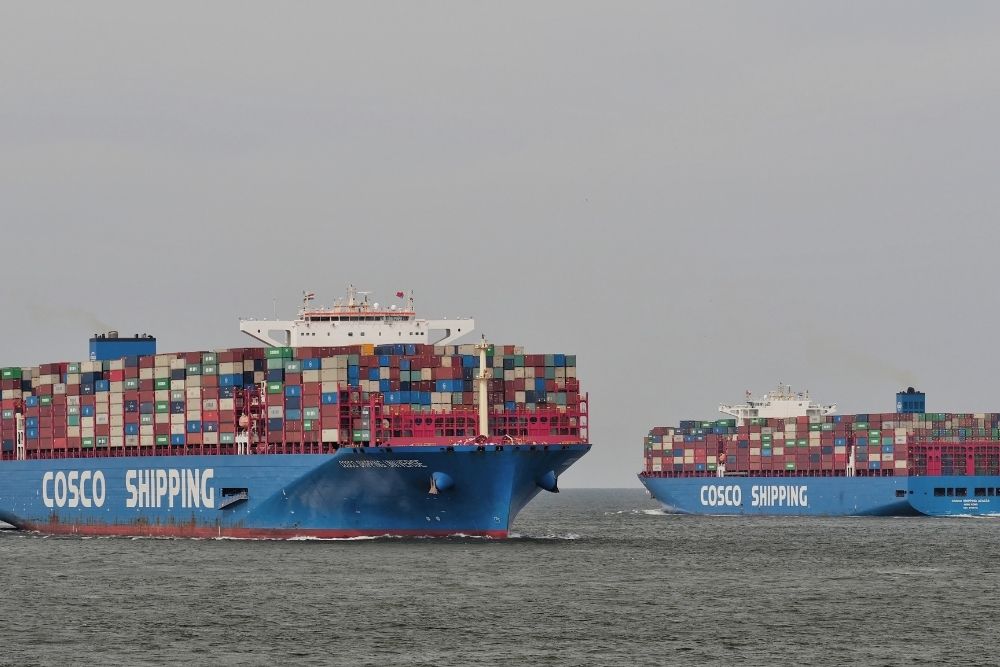
The deepening trade war between the United States and China is starting to reshape one of the core arteries of global commerce — trans-Pacific shipping. Container lines are increasingly severing routes that connect the two nations, a sign that the escalating tariff standoff is not just a policy dispute but a structural rupture in global supply chains.
German shipping giant Hapag-Lloyd has already canceled nearly a third of its westbound shipments from China to the U.S., while Swiss logistics firm Kuehne + Nagel reports that some routes have come to a complete halt, anticipating a 25% to 30% drop in bookings. This collapse in trade volumes comes alongside plummeting shipping rates, with the cost of transporting a standard 40-foot container from Shanghai to Los Angeles falling to its lowest level since 2023.