
Japan’s Sojitz, ENEOS establish large scale solar power plant in Australia
- October 3, 2023
- Posted by: Quatro Strategies
- Categories: Asia Pacific, ESG & Renewable Energy
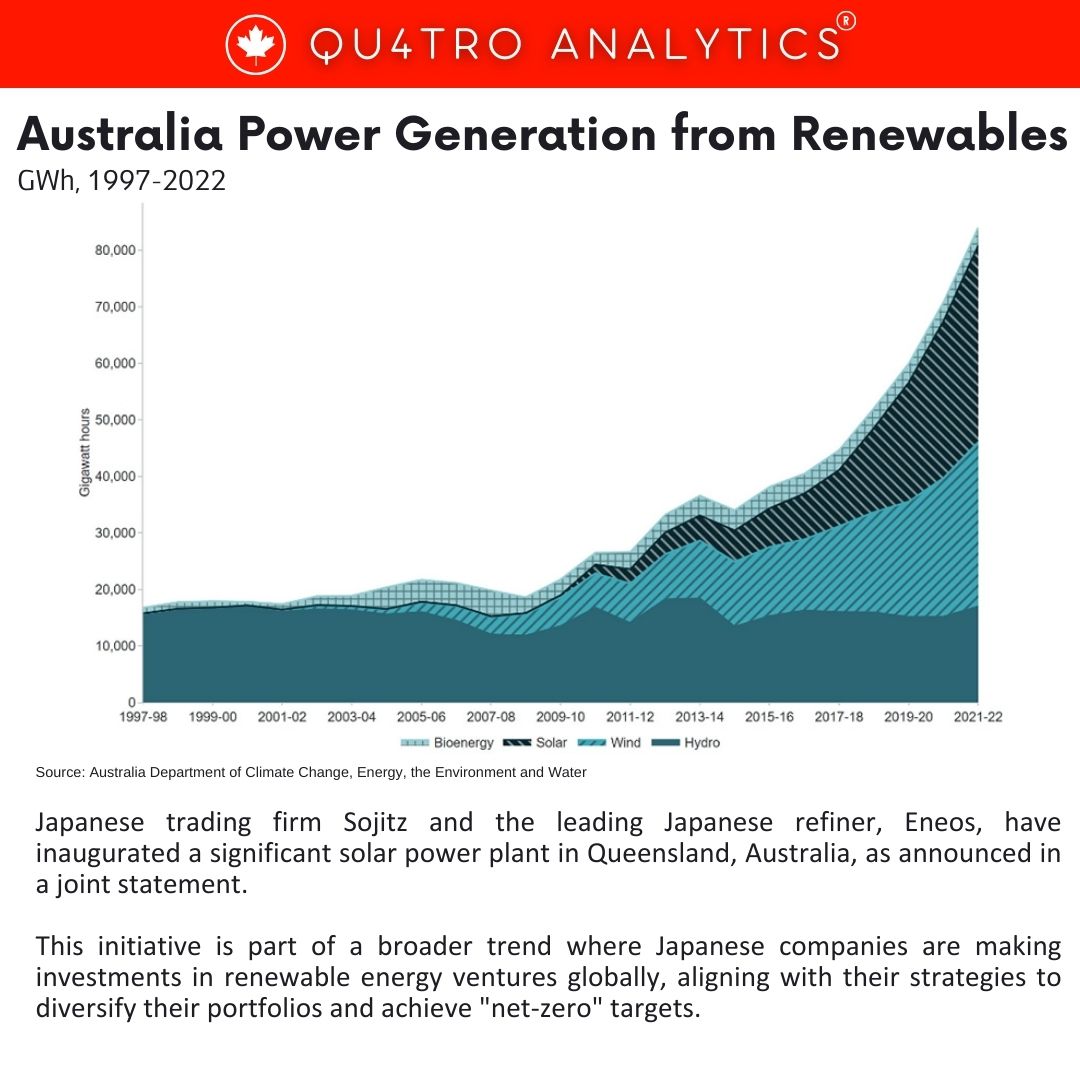
Japanese trading firm Sojitz and the leading Japanese refiner, Eneos, have inaugurated a significant solar power plant in Queensland, Australia, as announced in a joint statement. This initiative is part of a broader trend where Japanese companies are making investments in renewable energy ventures globally, aligning with their strategies to diversify their portfolios and achieve “net-zero” targets.
These endeavors abroad are meant to bring back valuable experience to Japan and reduce dependence on fossil fuels.
 The Edenvale Solar Park boasts a capacity of 204 megawatts and construction began in June 2021, with the plant officially launched on September 28, although financial specifics were not disclosed. Sojitz and Eneos share a 50% stake in the joint venture managing the plant.
Notably, this solar power facility is the largest in Australia operated by Japanese investors, underlining their commitment to sustainable energy ventures beyond their home country.
QUATRO Strategies International Inc. is the leading business insights and corporate strategy company based in Toronto, Ontario. Through our unique services, we counsel our clients on their key strategic issues, leveraging our deep industry expertise and using analytical rigor to help them make informed decisions to establish a competitive edge in the marketplace.
Interested in learning more?
Sign up for Top Insights Today

Top Insights Today delivers the latest insights straight to your inbox.
You will get daily industry insights on
Oil & Gas, Rare Earths & Commodities, Mining & Metals, EVs & Battery Technology, ESG & Renewable Energy, AI & Semiconductors, Aerospace & Defense, Sanctions & Regulation, Business & Politics.
Read more insights
U.S. seeks to enlist South Korea in curbing China’s shipbuilding dominance
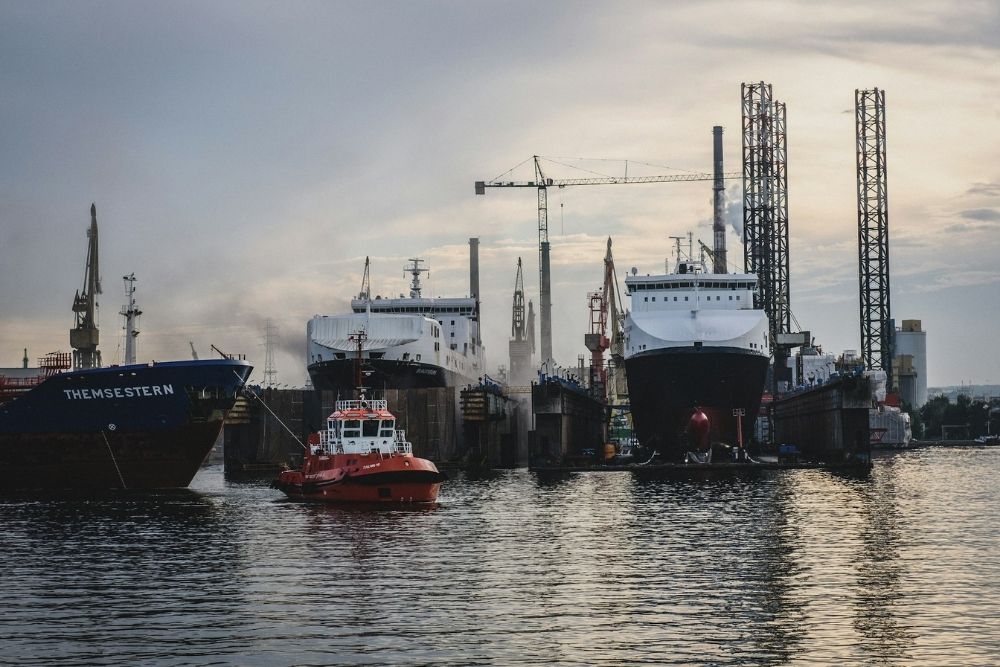
Washington’s move to tap Seoul as a strategic partner in countering China’s growing grip on global shipbuilding underscores how industrial policy is becoming an increasingly sharp tool in the geopolitical contest with Beijing. The comments from South Korea show that the U.S. is not merely focused on short-term trade concessions, but on forging longer-term coalitions to push back against China’s rise in key manufacturing sectors.
China overtook South Korea as the world’s top shipbuilder in the early 2010s, and now accounts for roughly 50% of global ship production by tonnage, compared with South Korea’s roughly 30%. China also dominates orders for certain vessel types, including bulk carriers and container ships, and is advancing quickly in LNG carrier technologies, a sector traditionally led by Korea.
US takes major step toward domestic HALEU production with new energy contracts
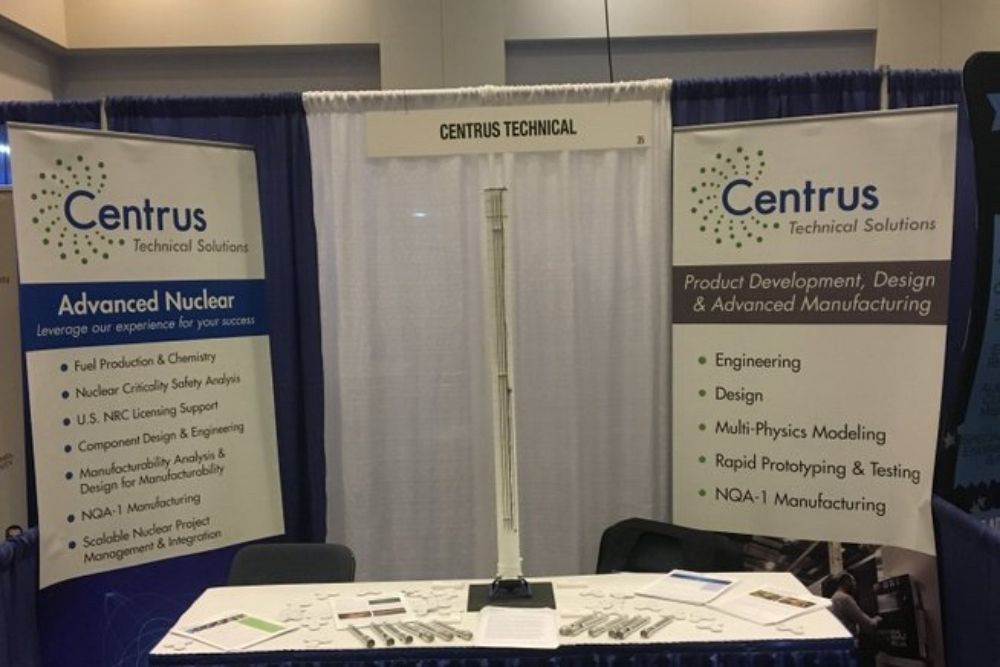
The U.S. Department of Energy announced initial contracts with four companies to produce high-assay low-enriched uranium fuel (HALEU), a more enriched form of uranium expected to power advanced nuclear reactors starting around 2030. Currently, Russia is the only nation producing HALEU at commercial levels…
China’s new mega chemical hubs squeeze Europe’s petrochemical base
China’s latest build-out of giant petrochemical complexes is tipping an already fragile global market into a more dangerous phase of structural oversupply and it’s doing so in a way that hits Europe and other high-cost producers right where they’re weakest.
Over the past decade, Beijing has rolled out seven huge integrated petrochemical hubs, pushing China past the United States to become the world’s largest producer of ethylene and polyethylene, the basic building blocks for plastics, synthetic rubber and fibers.