
Pirelli’s shareholder agreement with Chinese investors not to be renewed
- October 4, 2023
- Posted by: Quatro Strategies
- Categories: Business & Politics, China, Europe, Sanctions & Regulation
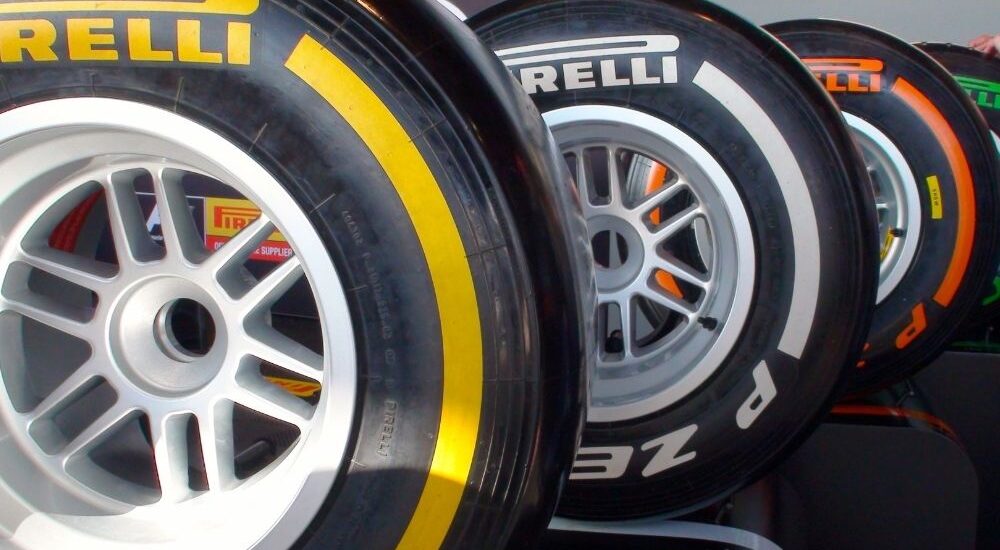
Pirelli, a prominent Italian tyre manufacturer, recently announced a notable development in its corporate structure. The company revealed that its major Chinese investors, Sinochem and Silk Road Fund, have chosen not to extend their collaborative agreement regarding certain key matters at the tyre-making giant. These investors hold substantial stakes in Pirelli, with Sinochem having a 37% stake and Silk Road Fund a 9% stake. This collaborative shareholder agreement, initially established in 2020, was a strategic move to synchronize their positions and votes concerning particular crucial issues concerning Pirelli.
One significant aspect of this agreement was Silk Road Fund’s commitment to align its votes with Sinochem’s at Pirelli’s shareholder meetings, accounting for a 5% stake out of their combined 9% ownership. However, as the agreement reached its predetermined termination date on September 29, it has ceased to be in effect. Although Pirelli made this announcement, the precise reasons behind the investors’ decision to not renew the agreement were not provided.
It’s important to note that Sinochem, a state-owned entity, has a distinct governance agreement with another influential investor in Pirelli, Camfin. Camfin represents the interests of Marco Tronchetti Provera, a notable Italian entrepreneur who has held a leadership role at Pirelli since 1992 and currently serves as the executive vice chairman.
Earlier this year, the Italian government exercised its “golden power” legislation, a mechanism designed to safeguard vital national assets, to impose conditions on the potential renewal of the governance pact between Sinochem and Camfin.
This governmental intervention significantly impacted Pirelli’s governance dynamics, fortifying Camfin’s influence over the company. Despite Camfin owning a 14.1% stake in Pirelli, the Italian government’s actions strengthened its role within the company.
Pirelli is renowned not only for its consumer tyre business but also as a significant tyre supplier for Formula One motor racing, further elevating the importance of these governance shifts within the company. However, the exact implications of this recent decision by Sinochem and Silk Road Fund on Pirelli’s future strategic direction remain to be seen.
QUATRO Strategies International Inc. is the leading business insights and corporate strategy company based in Toronto, Ontario. Through our unique services, we counsel our clients on their key strategic issues, leveraging our deep industry expertise and using analytical rigor to help them make informed decisions to establish a competitive edge in the marketplace.
Interested in learning more?
Sign up for Top Insights Today
Top Insights Today delivers the latest insights straight to your inbox.
You will get daily industry insights on
Oil & Gas, Rare Earths & Commodities, Mining & Metals, EVs & Battery Technology, ESG & Renewable Energy, AI & Semiconductors, Aerospace & Defense, Sanctions & Regulation, Business & Politics.
Read more insights
US lawmakers urge Volkswagen to halt operations in Xinjiang amid forced labor allegations
In response to reports that thousands of Volkswagen Group vehicles containing parts made by forced labor in China were held at U.S. ports, Representative Mike Gallagher and Raja Krishnamoorthi, the chair and top Democrat, respectively, of a U.S. House Committee on China, urged Volkswagen…
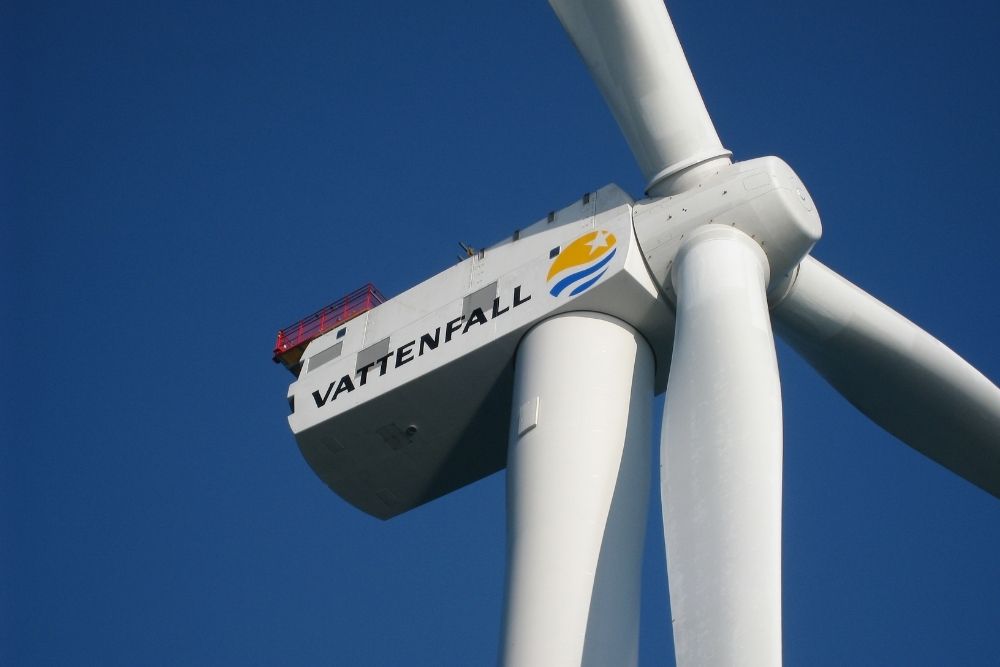
Vattenfall to invest €5 billion in German renewables and battery storage
Sweden’s Vattenfall has announced plans to invest €5 billion (about $5.34 billion) in Germany’s renewable energy sector by 2028, with a focus on expanding wind, solar, and battery storage infrastructure. According to Robert Zurawski, Vattenfall’s German finance chief, Germany’s rapidly growing renewable energy market presents…
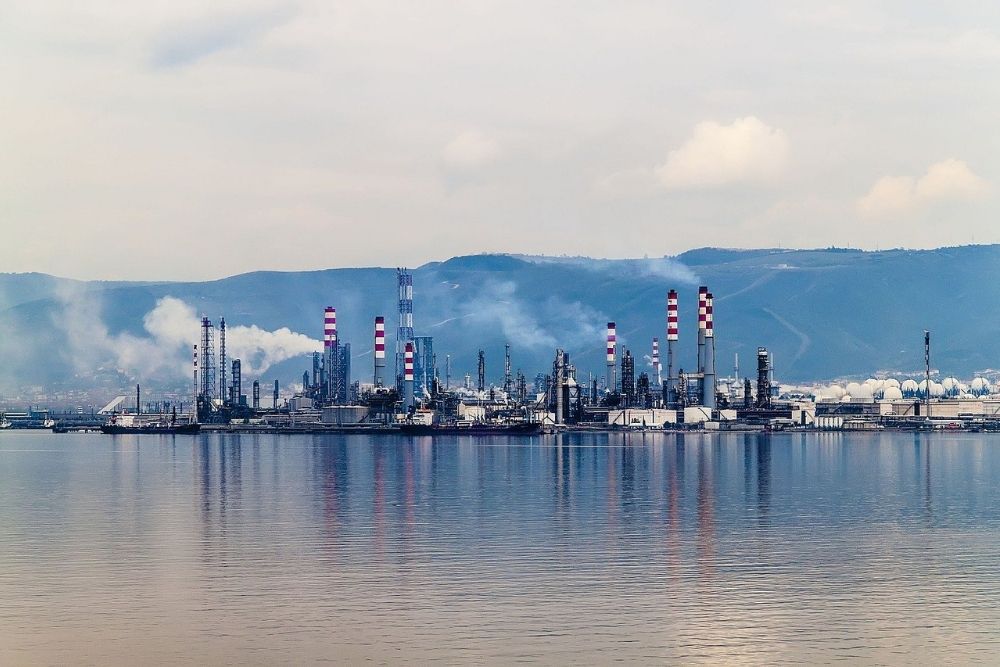
War reprices refinery locations outside Hormuz
MWG Enterprises of Fort Worth, the Patel Family Office and PWS, an associate company of the Saudi industrial group AHQ, have launched MERA Oil and entered the final stage of selecting a host for a planned 5 billion dollar integrated refinery and energy export corridor, having narrowed three years of evaluation across the Gulf to three GCC locations outside the Strait of Hormuz.
The consortium added that while talks with the three shortlisted jurisdictions are advanced, it remains open to a decisively superior proposition from another qualifying candidate. That last sentence is the announcement’s actual purpose. This is not a construction update. It is a public auction for sovereign incentives, conducted through a press release from Dubai.