
Argentina’s presidential frontrunner could disrupt country’s commodity sectors
- August 18, 2023
- Posted by: Quatro Strategies
- Categories: Americas, Mining & Metals

Javier Milei, the candidate leading the race for Argentina’s presidency, could potentially disrupt the country’s major commodity industries if elected. Argentina is a significant exporter of crops, beef, lithium, and other resources. Milei’s proposed policies include scrapping taxes on farm exports, which would make Argentine agricultural products more competitive globally. He has also advocated for adopting the US dollar as the country’s currency, aiming to stabilize the economy and international trade.
Milei’s support is particularly strong in agricultural regions like the Pampas farm belt, where farmers are looking for policies that promote growth and production. However, concerns exist about his ability to effectively govern, implement radical policies, and navigate challenges posed by powerful trade unions and social leaders.
In addition to his focus on agriculture, Milei’s campaign manifesto mentions promoting investments in oil and lithium sectors. He plans to re-privatize YPF SA, the state-run oil company, to boost competition and development in the shale-rich Vaca Muerta region. His approach aims to increase competition by lowering export barriers and removing price caps on fuel.
Milei’s stance on lithium is less clear, but he has expressed skepticism about nationalizing the metal or interfering with its supply and prices. His commitment to free markets could mean less direct state support for a local battery industry, instead relying on tax cuts and more flexible labor laws to encourage value-added manufacturing within Argentina.
Some observers believe that other candidates might be better suited to maintaining the social cohesion necessary for investments, particularly in sectors like mining. Milei’s radical proposals have sparked division, with supporters seeing his ideas as necessary changes and opponents expressing concerns about their feasibility and potential impact on stability.
Interested in learning more?
Sign up for Top Insights Today

Top Insights Today delivers the latest insights straight to your inbox.
You'll get daily industry insights on
Energy, Cleantech, Oil & Gas, Mining, Defense, Aviation, Construction, Transportation, Online Retail, Bigtech, Finance and Politics of Business
Read more insights
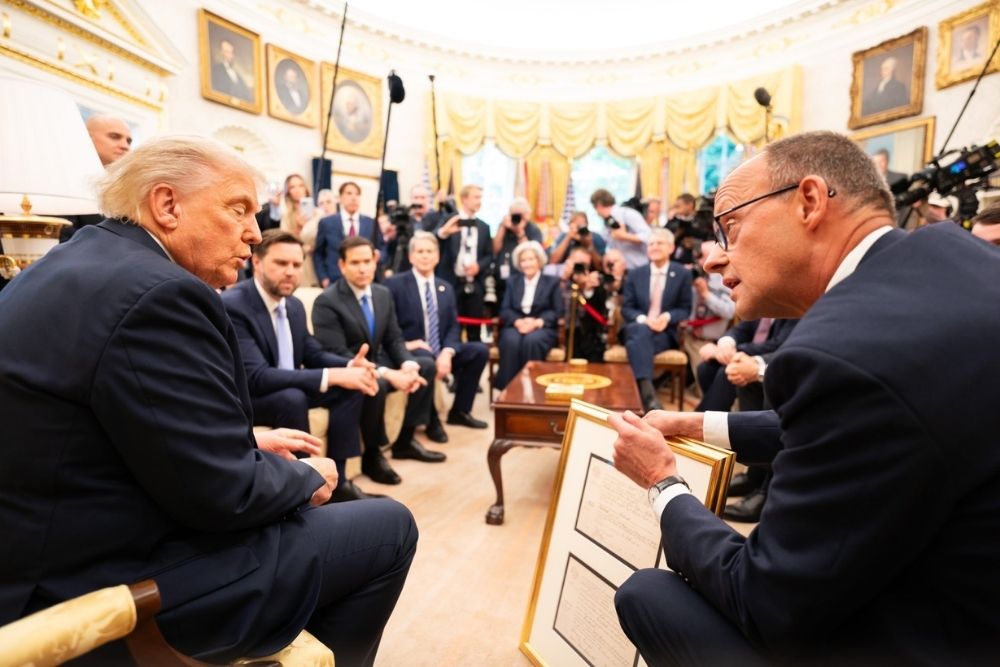
Germany’s Merz floats U.S.-EU car tariff swap after talks with Trump
German Chancellor Friedrich Merz said on Friday he would pursue a new bilateral arrangement that could see U.S. cars imported into Europe duty-free in exchange for equivalent tariff waivers on German vehicles shipped to the U.S. The proposal, discussed during Merz’s first official visit to Washington for talks with U.S. President Donald Trump, aims to defuse one of the most contentious fronts in the transatlantic trade relationship.
“We have to see if we can come up with an offset rule or something along those lines,” Merz told an audience in Berlin, describing a concept that would match duty exemptions on a car-for-car basis.
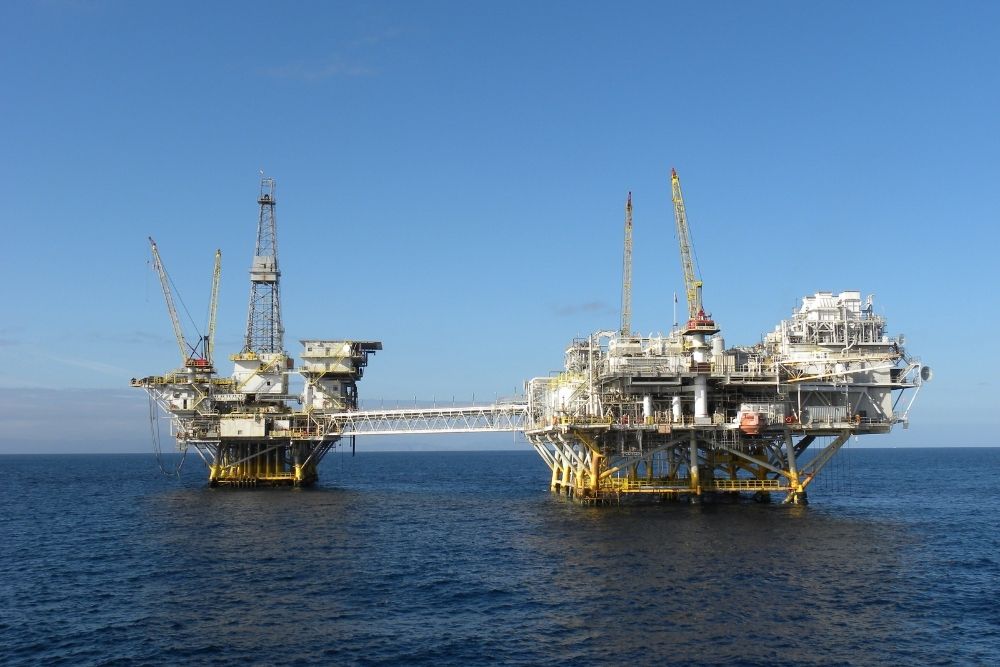
Israel grants offshore gas licenses to BP, Socar, and NewMed Energy
Israel has awarded natural gas exploration licenses to BP, Azerbaijan’s state-owned Socar, and the local firm NewMed Energy as part of its strategy to boost domestic gas reserves and expand exports. The three companies, which jointly bid for two offshore blocks in 2023 during Israel’s fourth licensing round, will each hold about a third of the rights in the so-called Cluster I exploration area. Socar will act as the operator of the consortium, marking its first major entry into Israel’s energy sector, while BP will also participate in the country’s natural gas industry for the first time.
Cluster I spans approximately 1,700 square kilometers in the Mediterranean, situated north of Israel’s economic waters and near the giant Leviathan gas field, which is operated by Chevron. NewMed Energy is already the largest stakeholder in Leviathan. The consortium is expected to conduct seismic and geological surveys in the initial phase of exploration before proceeding to drilling based on the survey results.
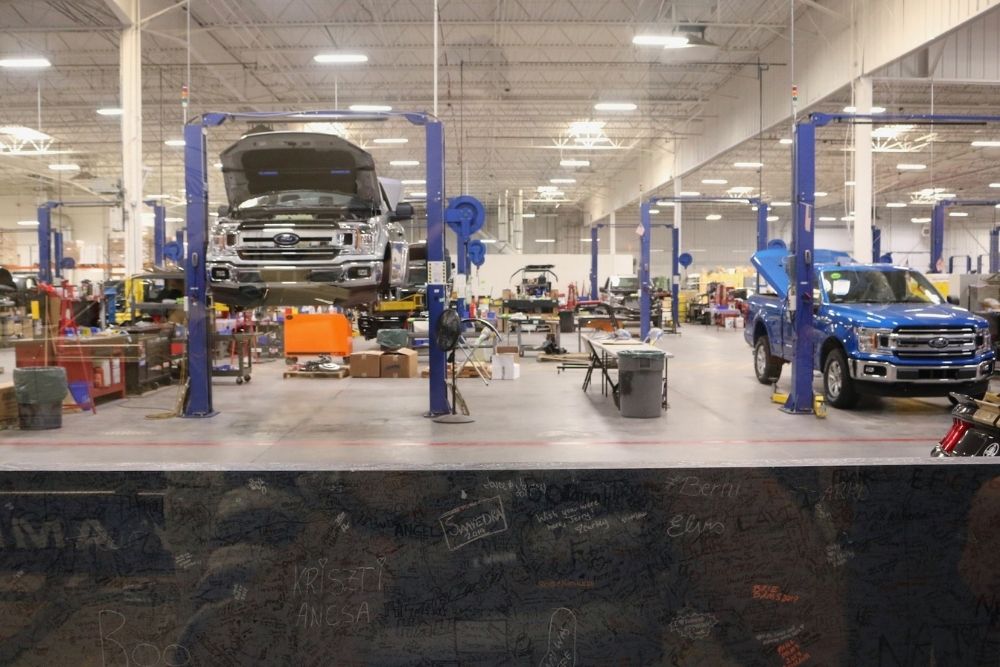
Biden Administration adjusts fuel efficiency rules, eases EV regulations
The Biden administration has announced a decision that represents a significant victory for Detroit automakers, easing proposed rules that would have compelled them to reduce the production of gas-guzzling vehicles or face substantial fines. This move by the Department of Energy marks a notable…