
Australia earmarks five lithium mines for Indian companies
- August 21, 2023
- Posted by: Quatro Strategies
- Categories: Asia Pacific, India, Mining & Metals
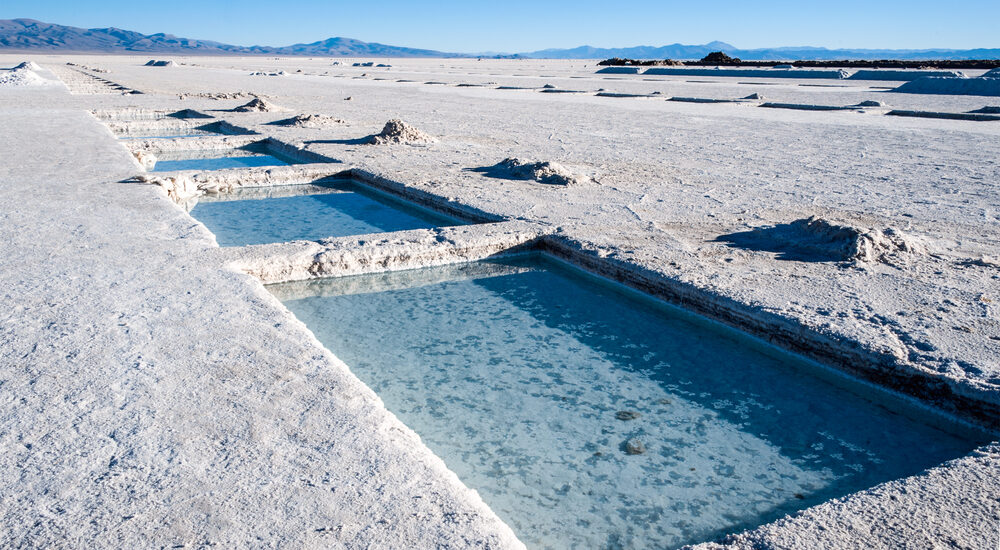
Australian authorities have identified at least five mines containing lithium and cobalt, and these resources have been earmarked for Indian entities, led by the state-owned Khanij Bidesh India (KABIL). KABIL is a joint venture involving state-run entities like NALCO, Hindustan Copper, and the Mineral Exploration Corporation. This development is a positive step for India’s efforts to secure essential minerals from abroad.
The collaboration between India and Australia, initiated after the Covid-19 outbreak, aims to establish a resilient supply chain and reduce dependency on China. The Economic Cooperation and Trade Agreement (ECTA), supported by KABIL and Australia’s Critical Minerals Office, is gaining momentum in this regard. Discussions for a dedicated chapter on critical minerals are expected to occur during an upcoming full free trade agreement (FTA) between the two countries.
India is also exploring similar opportunities in other countries like Mongolia, Argentina, and Chile, focusing on minerals such as copper and lithium. The Indian government is considering potential FTAs with Peru and Chile to secure critical minerals. In addition to securing the supply of these minerals, India is also taking steps to enhance domestic processing capabilities, particularly in areas where China dominates.
To support the processing of these minerals, India is inviting laboratories to contribute their expertise in developing technologies for mineral processing used in battery manufacturing. Recent amendments to the Mines and Minerals Act are expected to boost domestic mining efforts, with a focus on exploration and development. India’s investment in domestic mining is comparatively lower, and these efforts aim to increase investment and secure critical mineral resources for the nation’s energy transition and economic development.
Interested in learning more?
Sign up for Top Insights Today
Top Insights Today delivers the latest insights straight to your inbox.
You will get daily industry insights on
Oil & Gas, Rare Earths & Commodities, Mining & Metals, EVs & Battery Technology, ESG & Renewable Energy, AI & Semiconductors, Aerospace & Defense, Sanctions & Regulation, Business & Politics.
Read more insights
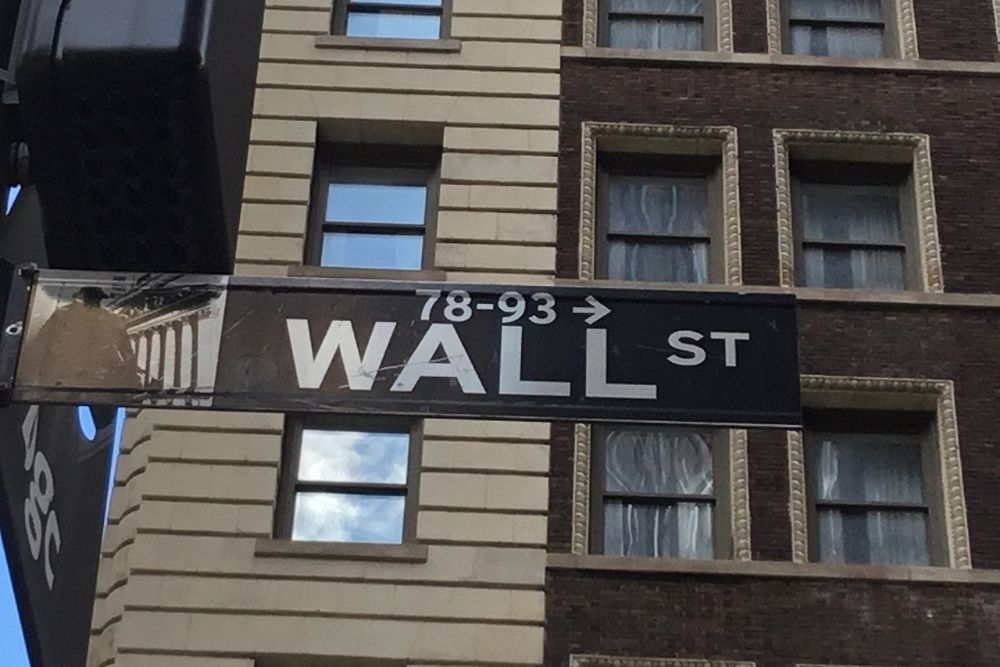
Tariffs didn’t break Wall Street’s hold on Europe, they exposed it
Wall Street’s grip on European investment banking proved far more resilient in 2025 than many policymakers and even some bank executives expected when President Donald Trump unveiled his “Liberation Day” tariff package in April. A common assumption at the time was that European corporates and governments, facing a new layer of U.S. trade friction, might shift advisory and underwriting mandates toward domestic lenders as a matter of political optics or strategic autonomy.
Instead, client behavior largely stayed commercial rather than political: U.S. banks maintained their dominant share of investment banking fees across Europe, the Middle East and Africa (EMEA), and in some fee pools, especially equity issuance and M&A, they actually increased their share.
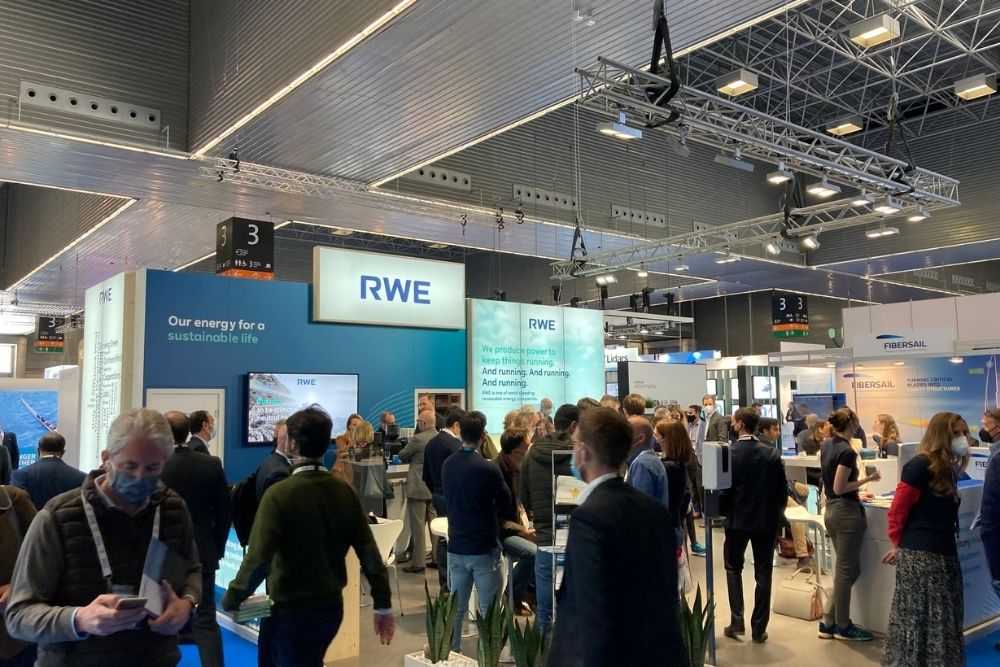
RWE, TotalEnergies ink landmark green hydrogen deal for German refinery
RWE, Germany’s largest utility, has signed a major green hydrogen supply agreement with French oil giant TotalEnergies, marking a significant step in Europe’s decarbonization efforts. Under the deal, RWE will supply TotalEnergies’ Leuna refinery in eastern Germany with around 30,000 tonnes of green hydrogen annually from 2030 to 2044. The hydrogen will be produced at RWE’s 300-megawatt electrolysis plant in Lingen, western Germany, which is set to begin operations in 2027.
This agreement represents the largest amount of carbon-neutral hydrogen ever contracted from a German electrolysis facility and signals confidence in the future of hydrogen despite ongoing skepticism about its economic viability. Green hydrogen, which is produced using renewable electricity to split water into hydrogen and oxygen, is a cleaner alternative to traditional hydrogen production methods that rely on natural gas.
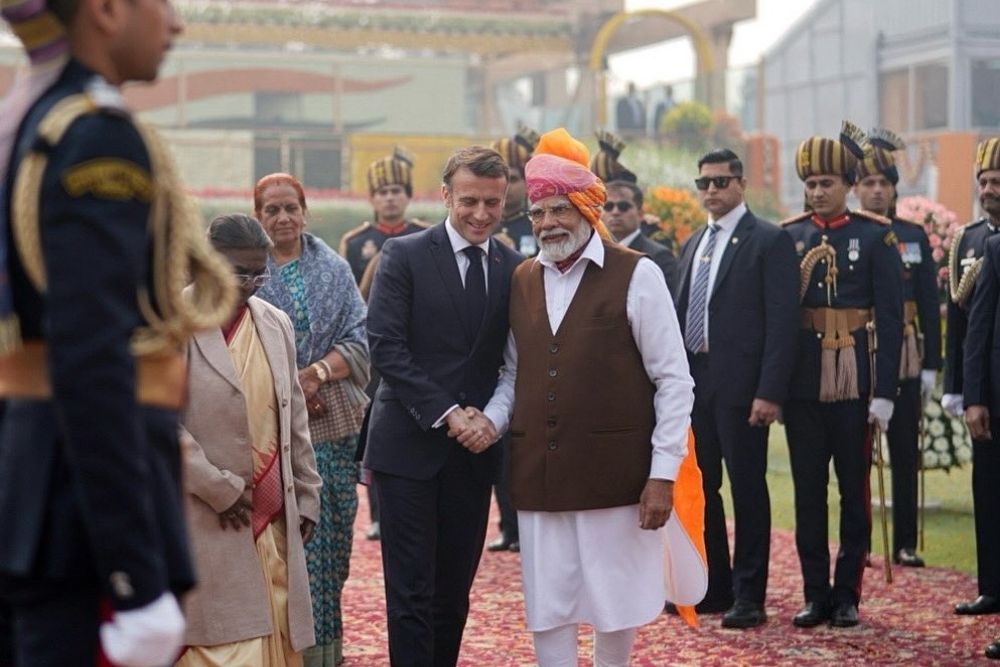
India and France strengthen defense ties with military equipment production agreements
India and France have strengthened their bilateral ties, particularly in the defense sector, with a focus on joint production of military equipment. During French President Emmanuel Macron’s visit, India and France agreed to collaborate on the production of defense equipment, including helicopters and…