
Australia’s Fortescue to receive preliminary license for Brazil green hydrogen plant
- August 24, 2023
- Posted by: Quatro Strategies
- Categories: Americas, Asia Pacific, ESG & Renewable Energy, Sanctions & Regulation
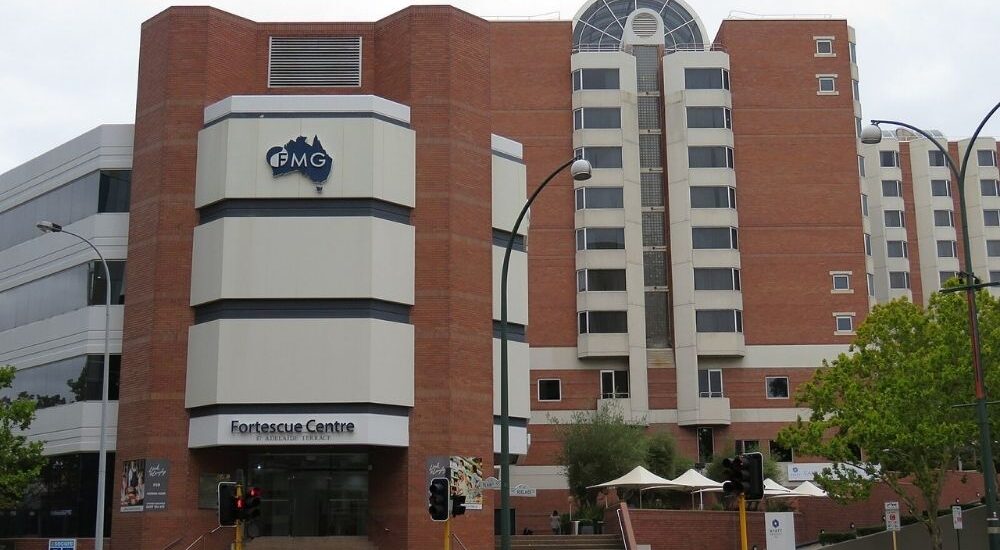
Australian mining and energy company Fortescue is on track to receive a preliminary license for the establishment of a green hydrogen plant in Brazil by September. This significant development signals progress in the emerging green hydrogen market in Latin America.
Fortescue’s efforts to secure the preliminary license involve submitting comprehensive environmental impact studies, with discussions about the approval scheduled for the upcoming month. The proposed plant will be situated in a port city in northeastern Brazil and is expected to have an impressive production capacity of 900,000 tons of green ammonia.
The primary goal of this green ammonia production is exportation. Once produced, the ammonia will be exported to consumer countries, where it will then undergo conversion into hydrogen. This process aligns with the growing interest in green hydrogen as a sustainable energy carrier and its potential for international trade.
Fortescue’s plans for the plant include early agreements with potential buyers, and the company is particularly targeting markets in Asian countries such as Singapore, Japan, and South Korea. These regions are key players in the global transition to cleaner energy sources and have shown a keen interest in adopting green hydrogen for various applications, including fuel cells and industrial processes.
The establishment of a green hydrogen plant in Brazil is aligned with broader efforts to diversify energy sources and reduce carbon emissions. As countries worldwide strive to meet ambitious climate targets, green hydrogen is gaining traction as a viable solution for decarbonizing sectors that are difficult to electrify directly, such as heavy industry and long-haul transportation. The Fortescue project in Brazil reflects the potential for green hydrogen to reshape the global energy landscape, facilitating cleaner energy consumption and sustainable economic growth.
Interested in learning more?
Sign up for Top Insights Today

Top Insights Today delivers the latest insights straight to your inbox.
You will get daily industry insights on
Oil & Gas, Rare Earths & Commodities, Mining & Metals, EVs & Battery Technology, ESG & Renewable Energy, AI & Semiconductors, Aerospace & Defense, Sanctions & Regulation, Business & Politics.
Read more insights
EU implements shipment-level tracing to stop Russian crude returning as diesel
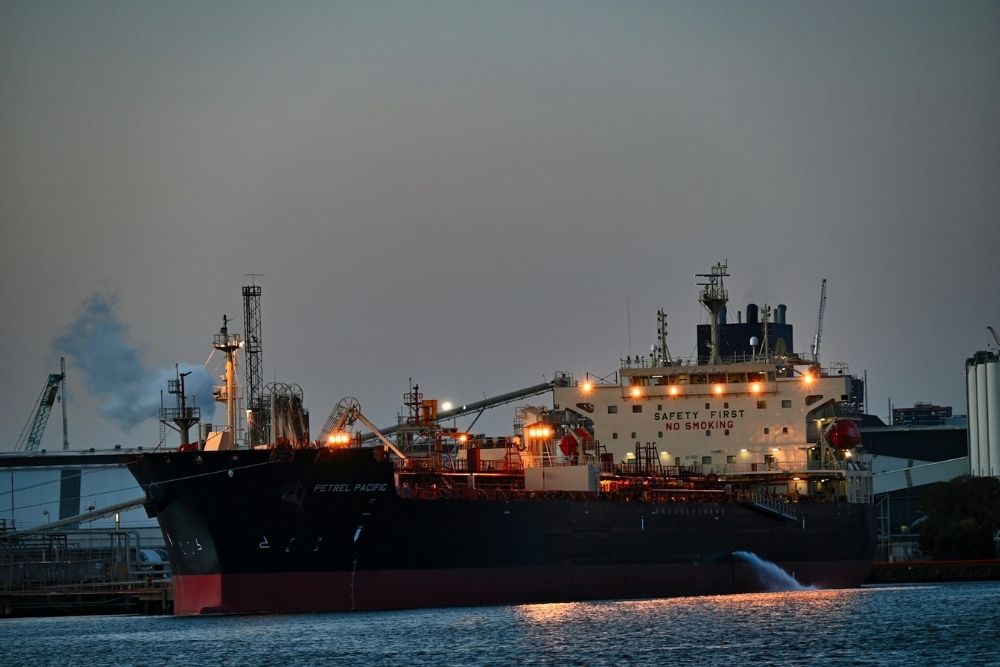
Brussels is tightening the screws on “shadow” Russian barrels by going after refined products, not just crude. From January 21, any diesel, jet, gasoline or other fuel entering the EU must be backed by documentary proof that the underlying crude wasn’t Russian. It’s a shift from broad embargoes to transaction-level policing, and it moves the compliance burden squarely onto importers.
The Commission is telling buyers to hardwire origin guarantees into their contracts so liability can be pushed upstream if a shipment is later found to be tainted. In practice, that means customs officers will expect refinery attestations, run logs and other evidence that trace the crude slate feeding a given cargo, especially when the fuel comes from hubs still buying Russian oil.
Saudi Aramco in talks with US firms for major LNG projects
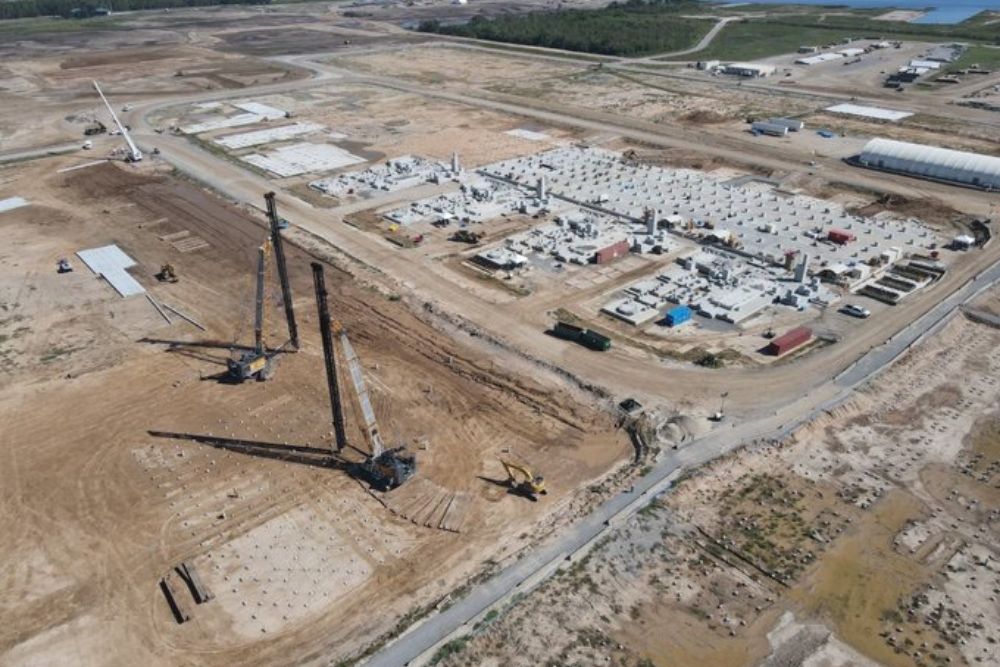
Saudi Aramco is currently in discussions with U.S. firms Tellurian and NextDecade regarding two separate liquefied natural gas (LNG) projects. This move is part of Aramco’s strategy to expand its gas trading and production capabilities. Aramco is negotiating with Tellurian to acquire a stake in its 27.6 million metric ton…
Asia’s LNG imports surge in March, seizing opportunity of lower spot prices
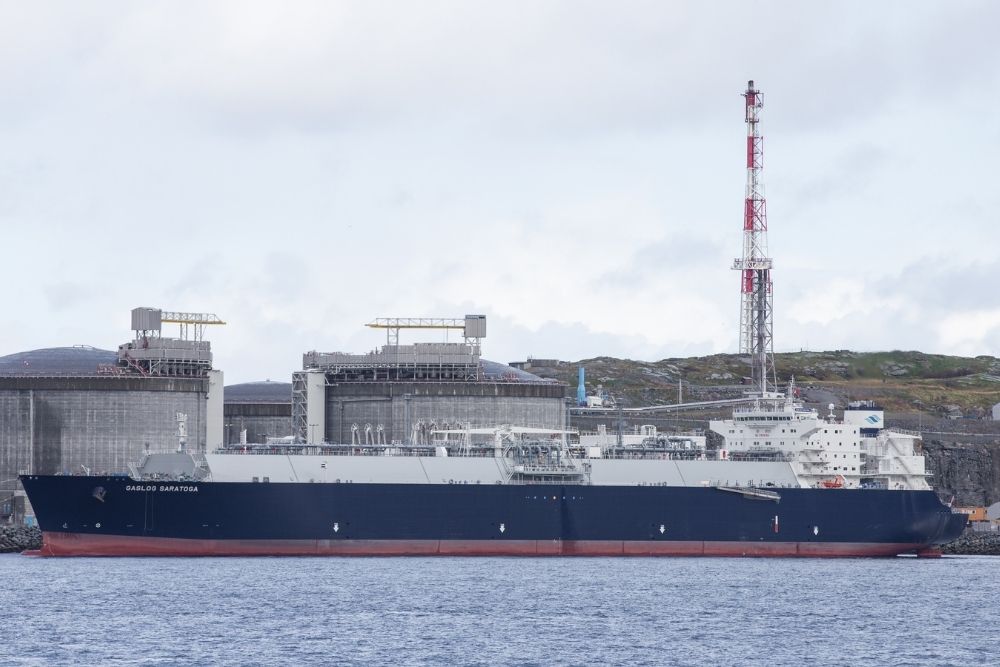
In March, Asia experienced a significant increase in liquefied natural gas (LNG) imports, seizing the opportunity presented by lower spot prices and diverting cargoes away from Europe. A total of 24.16 million metric tons of LNG arrived in Asia during March, marking a rise from February’s 22.73 million and…