
Australia’s Pacific Nickel Mines starts operations at Solomon Islands nickel project
- October 3, 2023
- Posted by: Quatro Strategies
- Categories: Asia Pacific, Mining & Metals, Rare Earths & Commodities
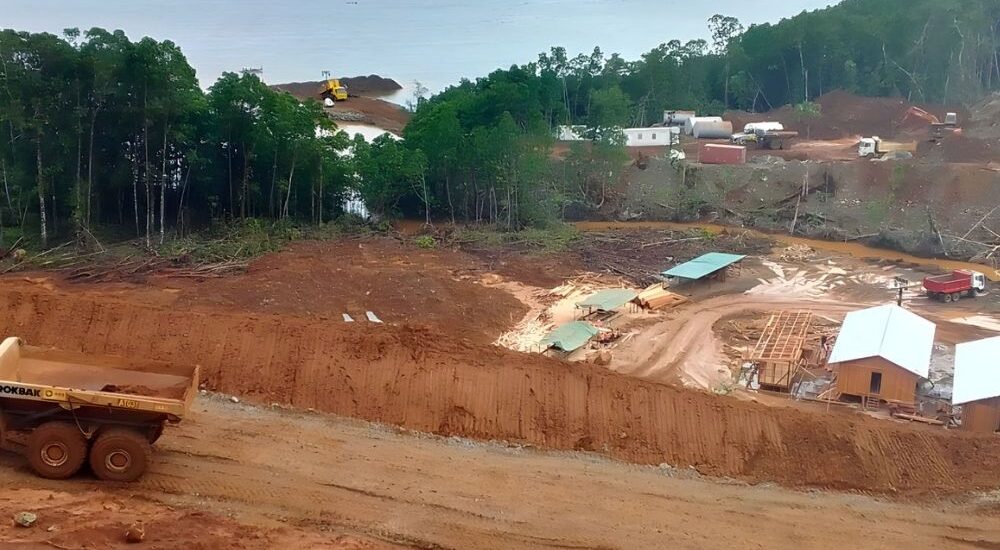
Pacific Nickel Mines, an Australian mining company, has embarked on nickel ore mining operations at its Kolosori project situated on Isabel Island within the Solomon Islands. The mining operation focuses on saprolite nickel ore and adopts a shallow open-pit approach. Anticipated production levels are impressive, with the capacity to yield up to 1.5 million wet metric tonnes (wmt) of nickel ore annually, contingent upon port throughput. Pacific Nickel has estimated the total operating costs to hover around $31 per wmt.
One of the significant aspects of this endeavor is a six-year offtake agreement Pacific Nickel signed with Glencore, a Switzerland-based mining and trading entity. The agreement encompasses the entire production output of the mine over the six-year duration, solidifying a strategic partnership.
This offtake agreement operates on a take-or-pay basis, implicating penalties for Glencore if it fails to meet its delivery obligations. The prices for the ore received by Pacific Nickel will be linked to specified 1.5% direct shipping nickel ore benchmarks, subject to adjustments based on ore quality and potential penalty payments. However, the precise details and specifications of these benchmarks have not been disclosed.
The Kolosori project is backed by a $22 million loan agreement inked in 2022 between Pacific Nickel Mines and Glencore, further fortifying the financial foundation of the mining venture. This loan agreement involves a three-year repayment obligation that Pacific Nickel Mines will initiate after the first shipment.
Importantly, the repayment schedule exempts wet season months from any scheduled repayments, providing flexibility and accounting for operational dynamics. Pacific Nickel Mines holds a controlling 80% stake in the Kolosori project, while the remaining 20% ownership is attributed to local associated landowners.
In March, the company received a crucial export permit from the Solomon Islands’ Ministry of Mines, Energy, and Rural Electrification, valid for three years with an option for renewal. This permit signifies a crucial regulatory milestone facilitating the shipment and trade of nickel ore from the project.
QUATRO Strategies International Inc. is the leading business insights and corporate strategy company based in Toronto, Ontario. Through our unique services, we counsel our clients on their key strategic issues, leveraging our deep industry expertise and using analytical rigor to help them make informed decisions to establish a competitive edge in the marketplace.
Interested in learning more?
Sign up for Top Insights Today

Top Insights Today delivers the latest insights straight to your inbox.
You will get daily industry insights on
Oil & Gas, Rare Earths & Commodities, Mining & Metals, EVs & Battery Technology, ESG & Renewable Energy, AI & Semiconductors, Aerospace & Defense, Sanctions & Regulation, Business & Politics.
Read more insights

China’s Trina Solar to invest up to $1 billion in Mexican state of Nueva Leon
Chinese solar panel producer Trina Solar is set to make a substantial investment in the northern Mexican state of Nuevo Leon, according to an announcement by the state government. The investment is estimated to range between $700 million to $1 billion…
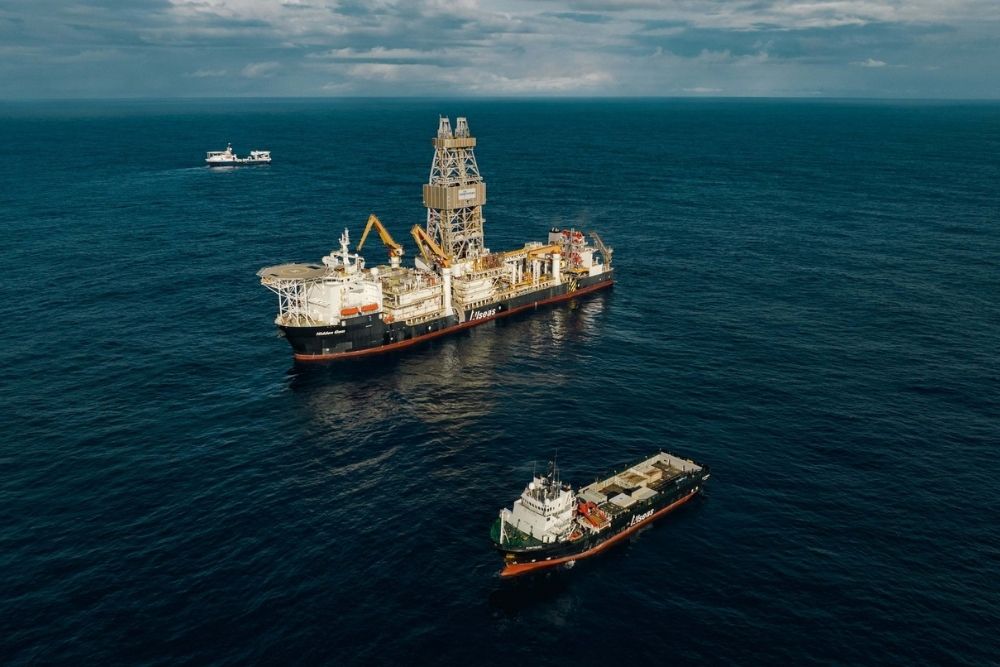
US seabed push tests mining legitimacy before global standards exist
The Trump administration is pushing to speed up U.S. permitting for deep-sea mineral exploration by streamlining the review process under the Deep Seabed Hard Mineral Resources Act of 1980.
The practical intent is to reduce the time and friction involved in licensing and permitting for firms seeking to prospect for “polymetallic nodules” in international waters, potato-shaped rocks that can contain nickel, cobalt, copper and manganese, among other metals used in batteries, electronics and defense applications.
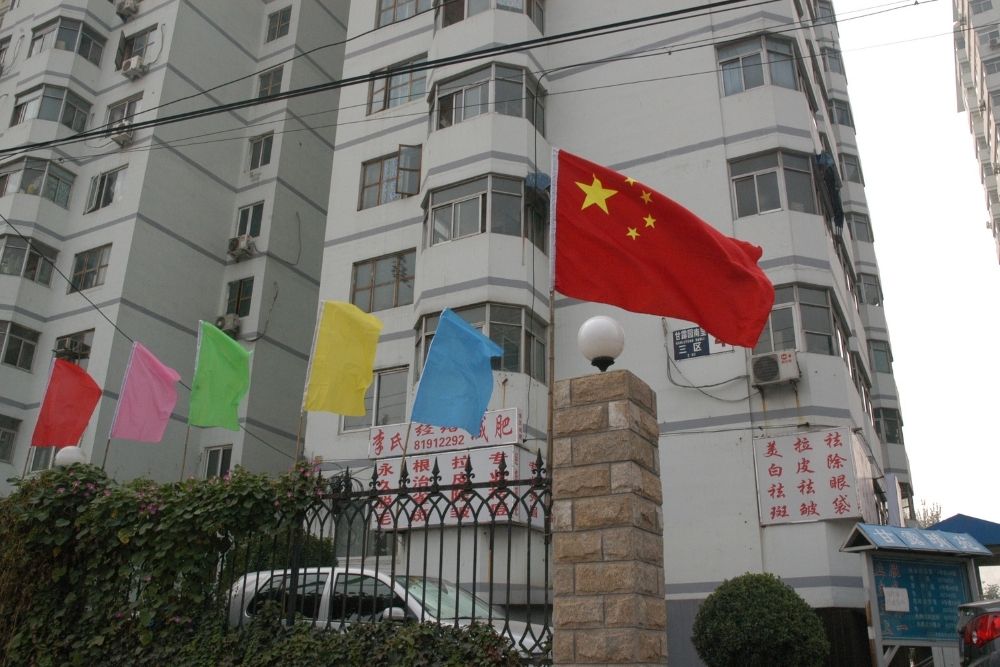
FDI in China drops $13 billion amid geopolitical tensions and economic uncertainty
Foreign direct investment (FDI) in China saw a significant decline in the third quarter, with a drop of $8.1 billion in liabilities, signaling continued investor pessimism despite Beijing’s attempts to stabilize growth through stimulus measures. This marks a continued slump in foreign investment into China, which had already been…