
Brazil’s Petrobras pushes for refinery purchase from UAE’s Mubadala
- September 5, 2023
- Posted by: Quatro Strategies
- Categories: Americas, Middle East, Oil & Gas

Brazil’s state-run oil company, Petrobras, is reportedly interested in repurchasing a refinery from Abu Dhabi’s state investor, Mubadala, despite facing antitrust barriers. This interest comes after Petrobras announced a memorandum of understanding with Mubadala for potential investment in a biofuel refinery project in Bahia state, Brazil, which is being developed by Mubadala-owned Acelen. The project will utilize infrastructure from Acelen’s Mataripe refinery, which was sold by Petrobras to Mubadala in 2021.
While the biofuel refinery investment is separate from the potential repurchase of the Mataripe refinery, it could create an opportunity for future discussions between Petrobras and Mubadala regarding the Mataripe facility. Petrobras has reportedly been interested in regaining control of the Mataripe refinery, which was part of its asset divestment program.
However, any attempt by Petrobras to repurchase the Mataripe refinery would require discussions with Brazil’s antitrust regulator, the Administrative Council for Economic Defense (Cade). Petrobras had previously agreed to sell several of its refineries outside the states of Rio de Janeiro and Sao Paulo to comply with competition regulations. The outcome of talks with Cade and the regulator’s assessment of market conditions will likely play a crucial role in any potential repurchase agreement.
This development underscores the complexity of asset divestment and repurchase negotiations in the energy industry, particularly when regulatory considerations are involved. It also highlights the significance of Brazil’s biofuel industry, as the memorandum of understanding with Mubadala involves investment in a biofuel refinery, which is a growing sector in the country’s energy landscape.
Interested in learning more?
Sign up for Top Insights Today

Top Insights Today delivers the latest insights straight to your inbox.
You will get daily industry insights on
Oil & Gas, Rare Earths & Commodities, Mining & Metals, EVs & Battery Technology, ESG & Renewable Energy, AI & Semiconductors, Aerospace & Defense, Sanctions & Regulation, Business & Politics.
Read more insights
Beijing deepens African trade ties with yuan push and tariff-free access
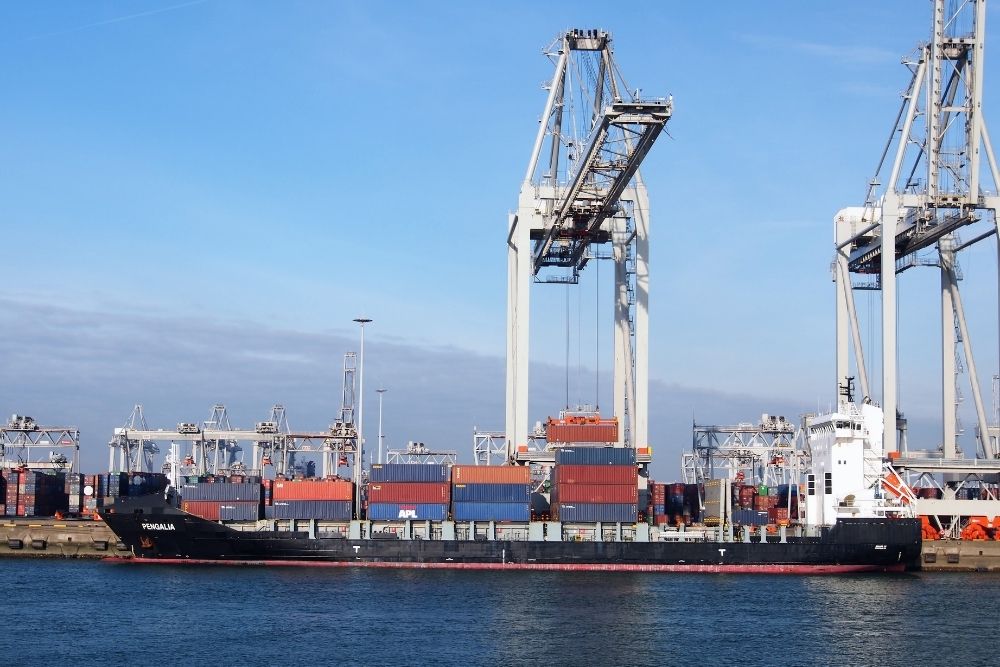
China’s exports to Africa are surging at a pace unmatched in any other region, underscoring how Donald Trump’s tariff war has accelerated Beijing’s pivot toward the continent as a critical growth market. Shipments to Africa jumped 25% year-on-year in the first seven months of 2025 to reach $122 billion, more than the total for all of 2020, and are on course to exceed $200 billion for the first time.
That growth stands in sharp contrast to slumping sales to the United States, where tariffs as high as 50% have sharply reduced Chinese exports. The relationship remains heavily imbalanced, with China enjoying an even wider trade surplus with Africa than last year. Yet Beijing is working to offset this imbalance by selectively opening its own domestic market to African goods and by embedding itself deeper in the continent’s infrastructure and energy development.

U.S. weighs 200,000-chip threshold for toughest export conditions
The Trump administration is weighing an AI-chip export regime that would treat access to large volumes of U.S. compute as a bargaining chip, not simply a security decision. U.S. officials are discussing a tiered system under which very large orders, on the order of 200,000 advanced AI chips or more, could be approved only if the recipient country provides “security guarantees” or commits to investments in U.S.-based AI data centers.
The same draft suggests licensing and monitoring requirements could extend far down the scale, potentially reaching even relatively small installations, which would represent a significant tightening of compliance expectations for allies and partners compared with the approach the Biden administration used.
Gulf States pour $6 billion into African energy in push for global diversification
Middle Eastern countries are rapidly expanding their footprint in Africa’s energy sector, with recent deals and expressions of interest totaling at least $6 billion. This surge in activity underscores the region’s broader strategy to diversify its energy investments globally and deepen economic ties with the African continent.
Among the most prominent developments is Abu Dhabi National Oil Company (Adnoc) being shortlisted to acquire Shell’s downstream assets in South Africa, valued at around $1 billion. This is part of a broader push by the United Arab Emirates (UAE) to invest across a wide spectrum of African energy ventures, from oil and gas to renewables.