
Cheniere will supply 0.8 mtpa of LNG to Germany’s BASF
- August 23, 2023
- Posted by: Quatro Strategies
- Categories: Europe, Oil & Gas, United States
Cheniere Energy has announced a new liquefied natural gas (LNG) supply deal with Germany’s BASF, where it will provide 0.8 million tonnes per annum (mtpa) of LNG. The deal marks another step in the United States’ emergence as the world’s largest LNG exporter, capitalizing on Europe’s search for alternative sources after Western sanctions limited access to Russian gas.
Cheniere Energy has been actively securing supply agreements, having previously signed deals with companies such as Equinor from Norway, Korea Southern Power, and China’s ENN Natural Gas.
This newly announced contract with BASF will also support Cheniere’s expansion efforts, particularly at its Sabine Pass LNG facility in Louisiana. The facility’s expansion aims to reach a total LNG capacity of around 20 mtpa.
The deliveries of LNG to BASF will commence in mid-2026 and are set to increase to approximately 0.8 mtpa once the seventh train of the Sabine Pass project becomes operational.
This long-term supply agreement is expected to extend until 2043, contributing to the stability of Cheniere’s business and supporting its expansion plans in the LNG market.
Interested in learning more?
Sign up for Top Insights Today

Top Insights Today delivers the latest insights straight to your inbox.
You will get daily industry insights on
Oil & Gas, Rare Earths & Commodities, Mining & Metals, EVs & Battery Technology, ESG & Renewable Energy, AI & Semiconductors, Aerospace & Defense, Sanctions & Regulation, Business & Politics.
Read more insights

U.S. to implement more controls on tech exports to China
U.S. Commerce Secretary Gina Raimondo stated that more controls on technology exports to China will be implemented as needed, despite concerns from businesses. Raimondo emphasized the necessity of constant adaptation to changing technology and geopolitical dynamics, stating…
Lithium markets rattle as China’s Zangge faces environmental shutdown
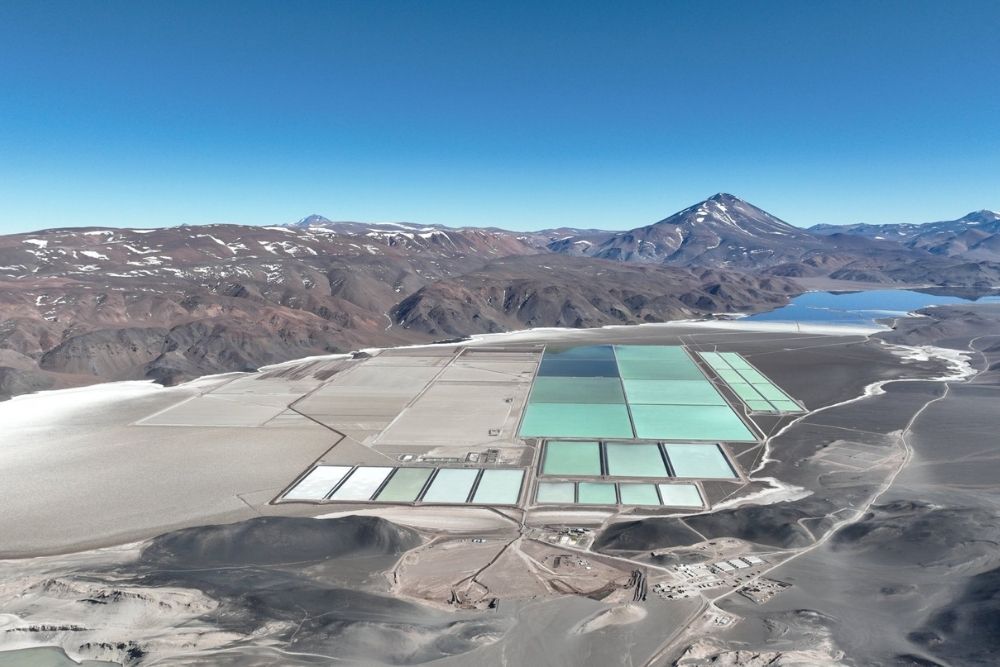
The sudden suspension of lithium production at a major Chinese facility underscores growing tensions between Beijing’s environmental enforcement push and its ambitions to dominate global battery supply chains. On Thursday, Zangge Mining, a key lithium producer in Qinghai province and a subsidiary of Zijin Mining, confirmed it had been ordered by local authorities to halt operations due to non-compliance issues.
The exact nature of the violations was not disclosed, but the move caused a noticeable surge in lithium carbonate futures, which spiked over 4% on the Guangzhou futures exchange.
China’s steel profit rebound looks tactical, not structural
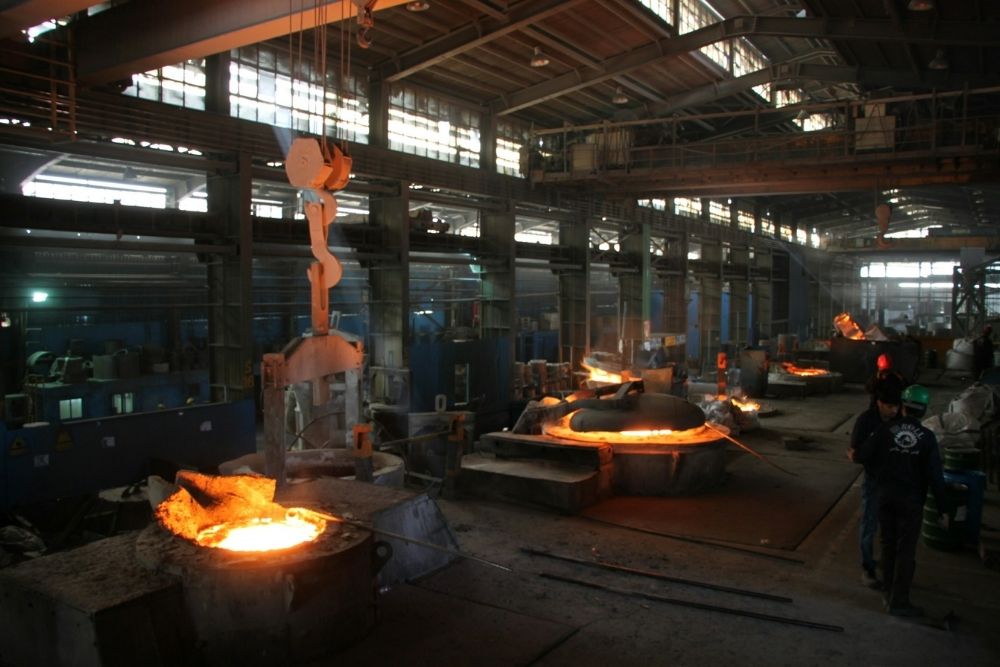
China’s steel sector is seeing a rare improvement in profitability, but the rebound looks more tactical than structural. 64% of Chinese steel mills are now profitable, the highest share since August and only the second time since October 2024 that profitability has moved above this level. The improvement is being supported by firmer downstream consumption, temporary supply restraint from environmental curbs and maintenance, and stronger export conditions since April as overseas mills raised prices.
The recovery is significant because China’s steel industry has spent years under pressure from weak property demand, chronic oversupply and thin margins. The real estate downturn has reduced demand for construction steel, while global protectionism and slowing domestic activity have made it harder for mills to maintain pricing power.