
China aims to raise $13.7 billion to invest in emerging industries
- September 25, 2023
- Posted by: Quatro Strategies
- Categories: Business & Politics, China, Sanctions & Regulation
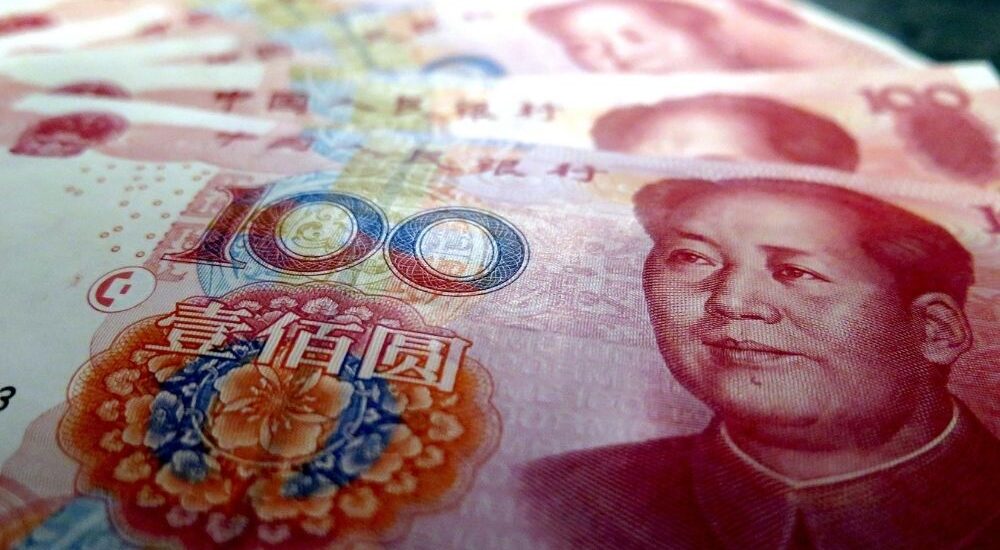
China Reform Holdings Corp, a major Chinese state asset manager, is planning to raise a substantial fund of at least 100 billion yuan (approximately $13.70 billion). This fund will be directed towards investments in emerging industries, as reported by China Business News.
The initiative has already garnered investment interest from over 20 central government-owned enterprises, local governments, and private investors. The fund is slated to commence operations by the end of the current year.
This move aligns with a broader trend in China, where state-owned enterprises (SOEs) are increasingly focusing on investments in emerging and strategic sectors such as artificial intelligence, new energy, new materials, and biotechnology. This is part of Beijing’s efforts to reform the SOEs and modernize them to be at the forefront of innovation and growth.
China Reform Holdings, established in 2021, holds a critical role in advancing these reforms within the state-owned enterprise sector. As of the end of 2022, the company managed nearly 860 billion yuan of assets, underscoring its significant presence in managing state assets and furthering economic goals in line with national strategies.
By QUATRO Strategies International Inc.
QUATRO Strategies International Inc. is the leading business insights and corporate strategy company based in Toronto, Ontario. Through our unique services, we counsel our clients on their key strategic issues, leveraging our deep industry expertise and using analytical rigor to help them make informed decisions to establish a competitive edge in the marketplace.
Interested in learning more?
Sign up for Top Insights Today

Top Insights Today delivers the latest insights straight to your inbox.
You will get daily industry insights on
Oil & Gas, Rare Earths & Commodities, Mining & Metals, EVs & Battery Technology, ESG & Renewable Energy, AI & Semiconductors, Aerospace & Defense, Sanctions & Regulation, Business & Politics.
Read more insights

Germany prepares for snap election amid economic woes and coalition collapse
Germany is heading into a snap election on February 23, following the collapse of Chancellor Olaf Scholz’s coalition government and his subsequent loss in a parliamentary vote of confidence. The election comes at a challenging time for Europe’s largest economy, which faces a projected second consecutive year of contraction, mounting competitive pressures…

Sunoco to acquire NuStar Energy in $7.3 billion deal for business diversification
Sunoco, a U.S. fuel distributor and affiliate of Energy Transfer, has announced its acquisition of NuStar Energy, a fuels storage and pipeline operator, in a deal valued at approximately $7.3 billion, including assumed debt. Sunoco aims to diversify its core business beyond motor fuel…

Tariffs reshape corporate strategy as global firms expand U.S. footprint
As President Donald Trump’s sweeping new tariffs reshape global trade flows and strain cross-border supply chains, a growing number of international companies are looking to set up shop or expand their presence in the United States to mitigate the financial impact. Across industries—from cars and chips to coffee and cosmetics—executives are preparing to bring production closer to American consumers in what could become a historic redirection of manufacturing and investment.
Italian spirits maker Campari is evaluating how to expand U.S. production while preserving the unique identity of its brands. Likewise, premium coffee house Illycaffè and its rival Lavazza are exploring or accelerating investments in U.S.-based facilities. Lavazza, which already produces about half its American sales domestically, plans to lift that figure to 100%.