
China’s economic problems could hamper Japan’s recovery
- September 11, 2023
- Posted by: Quatro Strategies
- Categories: Asia Pacific, Business & Politics, China
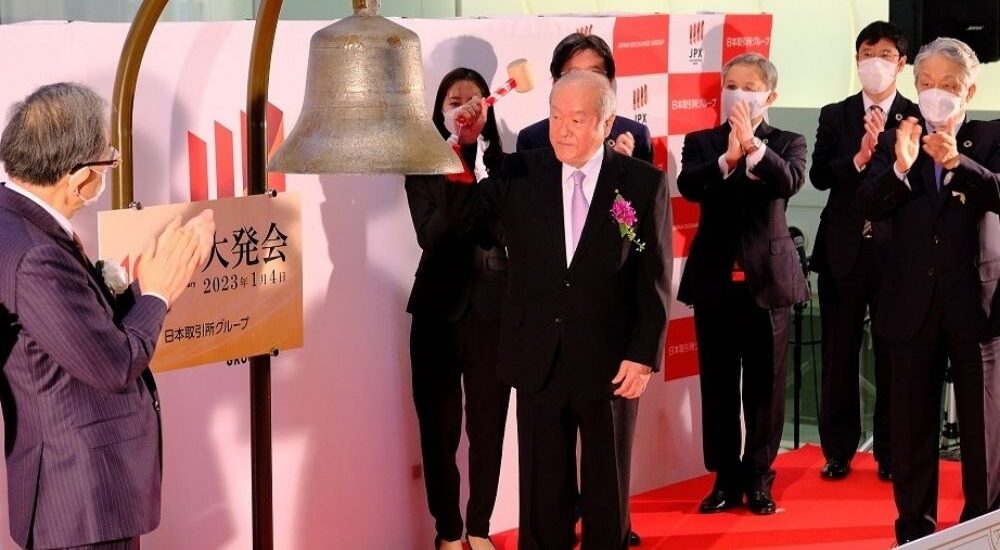
Japanese policymakers are growing increasingly concerned that China’s deepening economic challenges could negatively impact Japan’s fragile recovery. China’s downturn could have significant repercussions for Japan, which relies heavily on exports, especially if Beijing fails to implement substantial stimulus measures. The risks stemming from China will be a central topic of discussion at the Bank of Japan’s September policy meeting.
China is Japan’s largest trading partner, accounting for 20% of its exports, making it a critical driver of Japan’s economic growth. However, exports to China have already declined by 8.6% in the first half of this year, primarily due to a decrease in demand for products such as cars, steel, and electronics.
Economists believe that China’s economic slowdown could reduce Japan’s annual growth by 1-2 percentage points, further exacerbating fears of an extended economic slowdown in Asia’s two largest economies, which together represent about a fifth of global GDP.
China’s declining appeal as a production hub for Japanese companies is also a concern. Some firms have already reduced their exposure to China due to concerns about the country’s economic situation and rising diplomatic tensions. In addition, strained diplomatic relations could delay the return of Chinese tourists to Japan, impacting the recovery of Japan’s service sector.
These risks from China pose challenges for the Bank of Japan as it seeks to unwind its ultra-loose monetary policy. Japan’s core inflation exceeded the central bank’s 2% target for the 16th consecutive month in July, and firms have promised wage increases unseen in three decades this year.
However, falling demand in overseas markets like China could discourage manufacturers from hiking wages, a necessary step for phasing out monetary stimulus.
The bleak outlook for Japan’s recovery may delay the timing of a policy shift by the Bank of Japan, as policymakers become more cautious about the sustainability of wage and inflation increases in the face of China’s economic challenges. Overall, China’s weakness adds uncertainty to Japan’s economic prospects and the central bank’s efforts to achieve its inflation and monetary policy goals.
Interested in learning more?
Sign up for Top Insights Today

Top Insights Today delivers the latest insights straight to your inbox.
You will get daily industry insights on
Oil & Gas, Rare Earths & Commodities, Mining & Metals, EVs & Battery Technology, ESG & Renewable Energy, AI & Semiconductors, Aerospace & Defense, Sanctions & Regulation, Business & Politics.
Read more insights

Adani taps Chile’s Codelco to secure India’s future copper
Chile’s state-owned copper giant Codelco has just taken a step toward tying itself more closely to India’s industrial rise, signing a non-binding memorandum of understanding with Gautam Adani’s group for copper exploration in Chile. The agreement, inked via Adani’s Kutch Copper subsidiary, gives the Indian conglomerate access to three early stage copper projects in Chile.
For now it is a framework: the two sides will exchange technical and legal data, study the projects together and decide whether to move into joint development. But conceptually, it is being sold as something bigger, a template for a long-term “cross-border collaborative model” to guarantee copper supply for India.

Venezuela’s PDVSA resumes crude oil shipments to India after three years
Venezuelan state oil company PDVSA has taken steps to resume crude oil shipments to India, marking the first authorized deliveries to the country in three years. PDVSA has assigned loading windows for two vessels, the Liberia-flagged supertanker C. Earnest and the Malta-flagged supertanker…
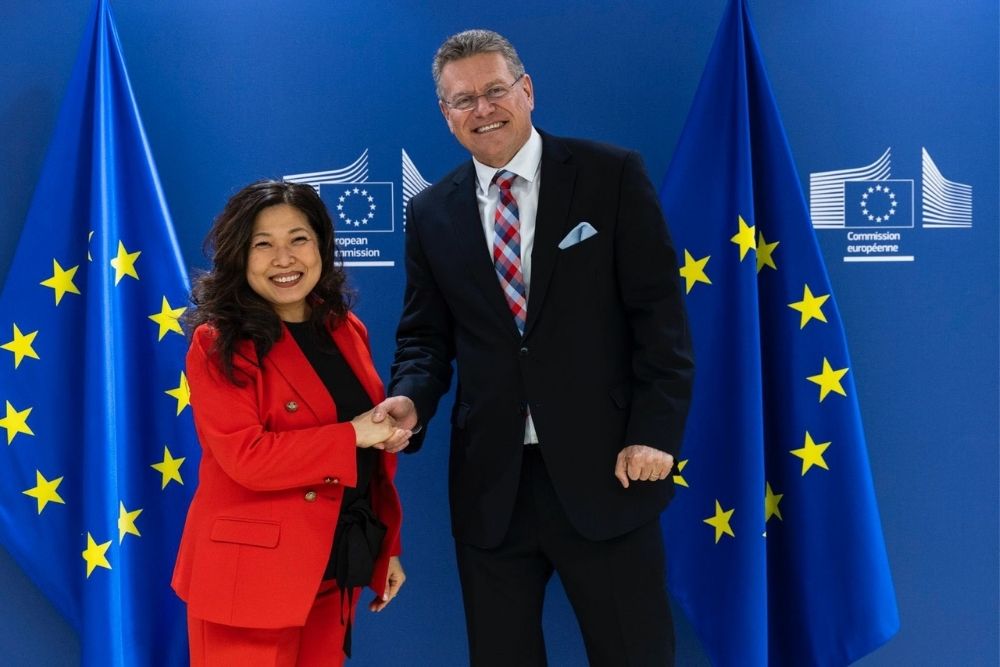
Canada eyes stronger EU partnership as trade tensions with U.S. grow
Canada is seeking to deepen its economic ties with the European Union and reinforce global trade rules as it faces the threat of new U.S. tariffs, Trade Minister Mary Ng said in an interview on Saturday. The country has already benefited from a free trade agreement with the EU since 2017, which has led to a 65% increase in bilateral trade…