
China’s Tsingshan starts commercial production at Indonesia nickel refinery
- August 22, 2023
- Posted by: Quatro Strategies
- Categories: Asia Pacific, China, EVs & Battery Technology, Mining & Metals
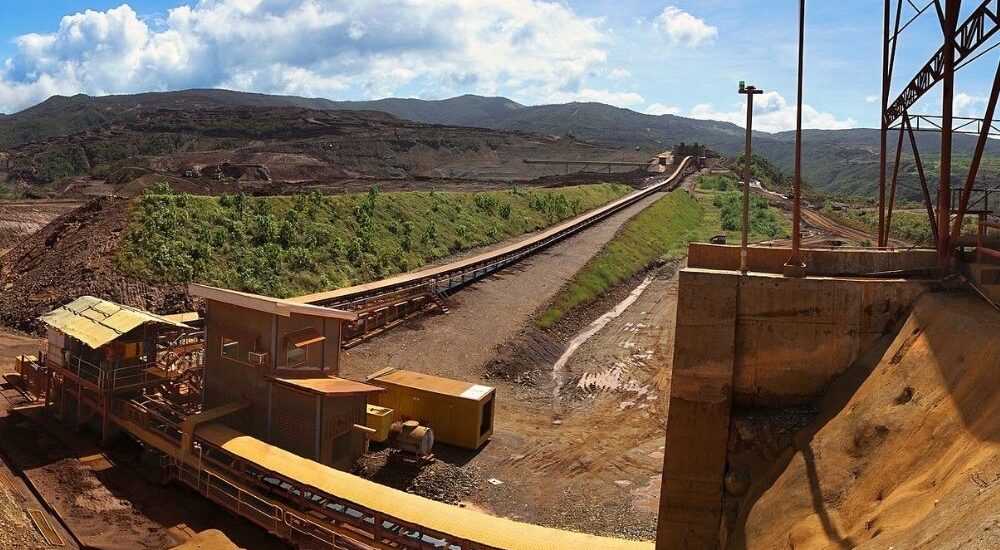
Chinese nickel producer Tsingshan Group has reportedly commenced commercial production of refined nickel at its plant in Morowali, Indonesia. The facility, which boasts a planned annual capacity of 50,000 metric tons, is said to have started commercial production last week, according to sources familiar with the matter. However, the sources chose to remain anonymous as they are not authorized to speak to the media.
Although details regarding the current capacity and the timeline to achieve the full 50,000-ton capacity remain unclear, the sources noted that the plant is currently producing nickel plate.
Notably, Tsingshan Group is reportedly considering seeking approval to list the nickel produced at the Indonesian plant as a deliverable brand on the London Metal Exchange (LME). This process generally entails demonstrating a minimum of three months of stable production.
Such a move would align with the efforts of other Chinese nickel producers, including Zhejiang Huayou Cobalt’s subsidiary and Jingmen Gem Co, which have also applied for their nickel brands to be listed on the LME.
The London Metal Exchange has taken steps to expedite listing procedures for nickel brands after experiencing market turbulence in 2022. In March 2022, LME nickel prices doubled within hours, leading to chaotic trading and prompting the LME to halt its nickel market for the first time since 1988. All nickel trades conducted on that day were canceled. As a response, LME made changes to its listing process to boost nickel trade volumes and restore market stability.
Interested in learning more?
Sign up for Top Insights Today

Top Insights Today delivers the latest insights straight to your inbox.
You will get daily industry insights on
Oil & Gas, Rare Earths & Commodities, Mining & Metals, EVs & Battery Technology, ESG & Renewable Energy, AI & Semiconductors, Aerospace & Defense, Sanctions & Regulation, Business & Politics.
Read more insights
U.S. businesses increasingly pivoting away from China
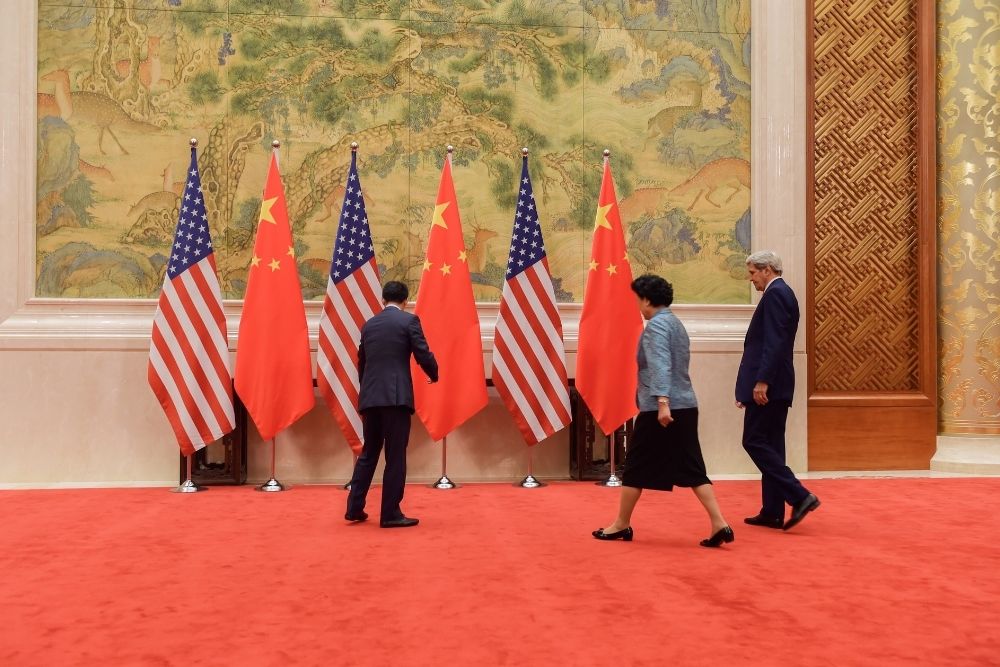
U.S. businesses are undergoing a notable shift in their approach towards China, with many looking to reduce their exposure to the country and diversify their investments. This change in sentiment stands in stark contrast to the trend over the past few decades when offshoring production…
EU pairs border carbon fees with big-pocket aid for trading partners
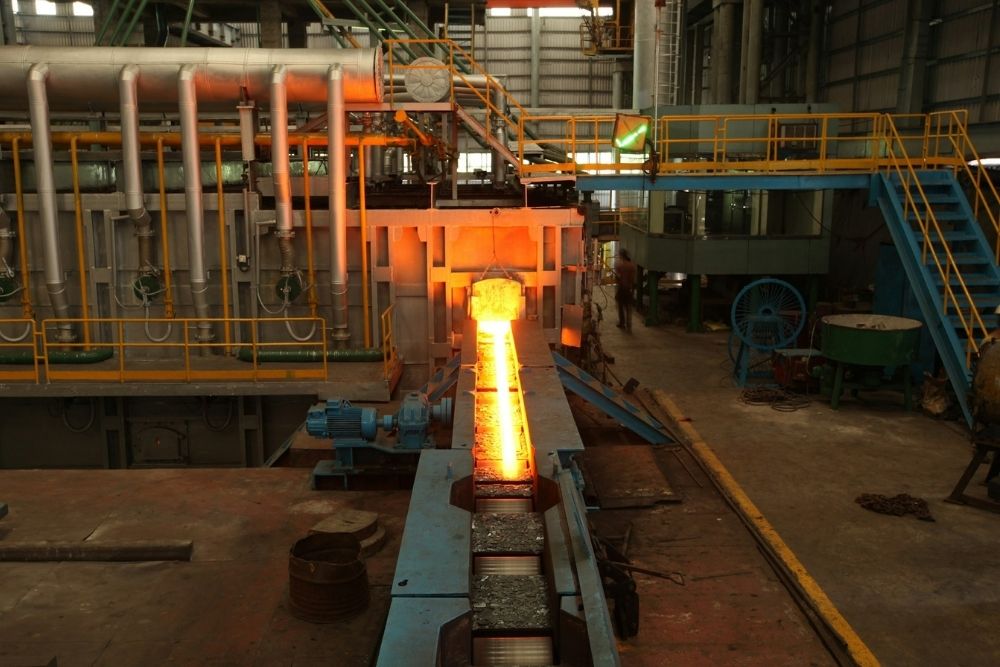
Europe is tightening the screws on carbon at the border, but it’s pairing the stick with a sizable pot of sugar. Starting next year, the EU’s carbon border adjustment mechanism will charge importers of emissions-heavy goods such as steel and cement for the CO₂ embedded in those products. That much hasn’t changed, and Brussels is explicit that the policy won’t be rolled back.
What’s new is the diplomatic packaging: the Commission now says it will mobilize long-term development finance and technical assistance so affected countries can decarbonize their industries and, over time, shrink or avoid the levy. The headline vehicle is “Global Europe,” a proposed ~€200 billion external funding window in the 2028-2034 EU budget that would steer capital and expertise into cleaner power, process upgrades, and new low-carbon value chains.
China’s overcapacity spurs EU-U.S. metals alliance
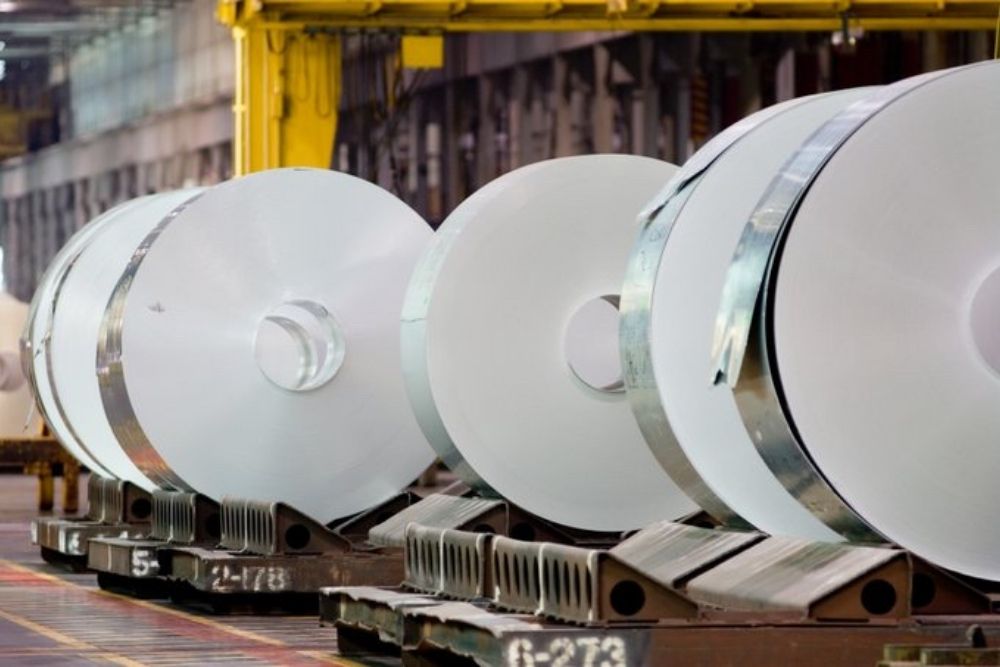
The European Union and the United States are moving to form a strategic “metals alliance” aimed at shielding their respective industries from the distorting effects of subsidised Chinese production, European Trade Commissioner Maroš Šefčovič announced on Monday.
The agreement, which comes as part of a broader EU-U.S. trade pact finalized in recent days, represents a significant shift in transatlantic cooperation on industrial policy and marks an escalation of joint efforts to confront China’s role in destabilizing global commodity markets.