
Chinese battery maker Gotion taking 25% stake in Slovakia’s Inobat
- September 4, 2023
- Posted by: Quatro Strategies
- Categories: China, Europe, EVs & Battery Technology
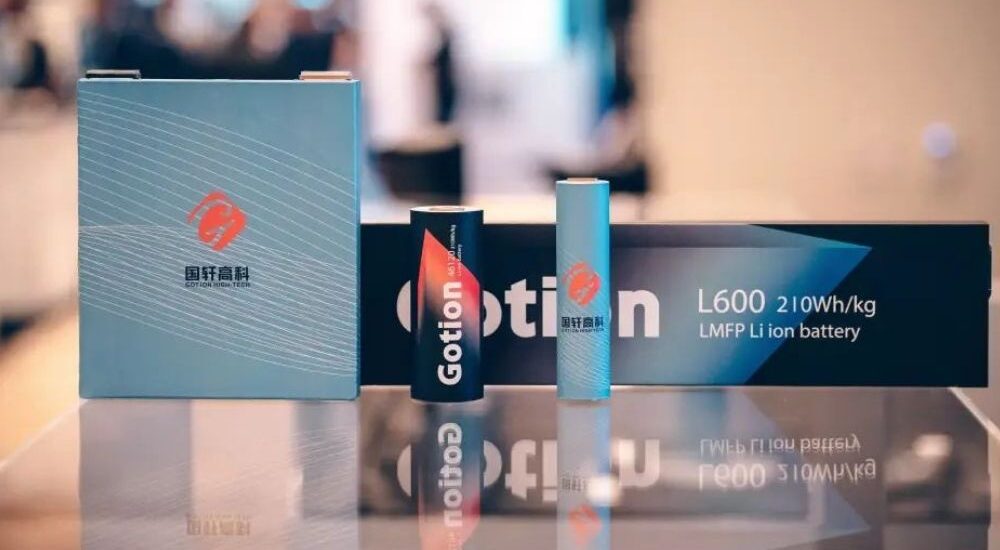
Chinese battery manufacturer Gotion High Tech is acquiring a 25% stake in Slovak battery firm Inobat, marking the first investment by a Chinese battery maker in a European start-up. The deal is part of the two firms’ ongoing collaboration, announced earlier this year, to explore joint ventures to develop batteries for electric vehicles (EVs) and energy storage. While the financial details of the transaction remain undisclosed, the partnership is expected to help Inobat speed up its path to mass production of EV batteries.
Through this investment, Gotion will provide Inobat with access to its research and development capabilities, lithium supply chain, cell production, and recycling capabilities. This support will be instrumental in helping the Slovak startup scale up its battery production operations, enabling it to meet the growing demand for EV batteries in Europe. The partnership aligns with Gotion’s broader goal of expanding its production capacity outside China to cater to the increasing demand from EV manufacturers and energy storage providers.
Europe has been making efforts to reduce its reliance on dominant Asian battery manufacturers and establish a self-sufficient EV battery industry. While some companies, like Swedish firm Northvolt, have succeeded in raising substantial investments, others have faced challenges, such as the UK’s Britishvolt, which encountered difficulties earlier this year. Gotion’s partnership with Inobat reflects the ongoing trend of global collaboration in the EV battery sector, as companies seek to secure their positions in a rapidly growing market.
Gotion is a partially-owned subsidiary of Volkswagen, and its investment in Inobat represents a significant step in the global expansion of Chinese battery manufacturers. This move signifies China’s ambition to play a more prominent role in the EV and battery industries on a global scale. Inobat, on the other hand, has signed declarations of intent with the governments of Spain and Serbia to build EV battery plants, although these agreements are still pending finalization. The collaboration between Gotion and Inobat is poised to contribute to the growth of Europe’s EV battery ecosystem as the region continues to transition towards electric mobility.
Interested in learning more?
Sign up for Top Insights Today

Top Insights Today delivers the latest insights straight to your inbox.
You will get daily industry insights on
Oil & Gas, Rare Earths & Commodities, Mining & Metals, EVs & Battery Technology, ESG & Renewable Energy, AI & Semiconductors, Aerospace & Defense, Sanctions & Regulation, Business & Politics.
Read more insights
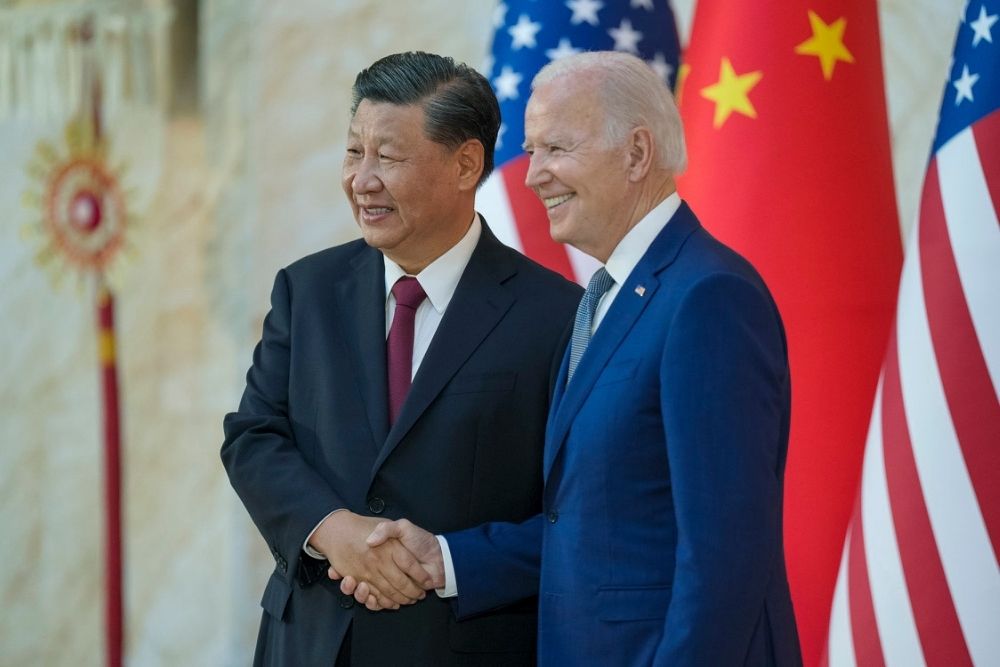
Biden-Xi meeting to focus on communication, competition
President Joe Biden and Chinese President Xi Jinping are set to hold a face-to-face meeting at the Asia-Pacific Economic Cooperation (APEC) summit in the San Francisco Bay Area on Wednesday. This encounter marks the first direct meeting between the two leaders in a year and…
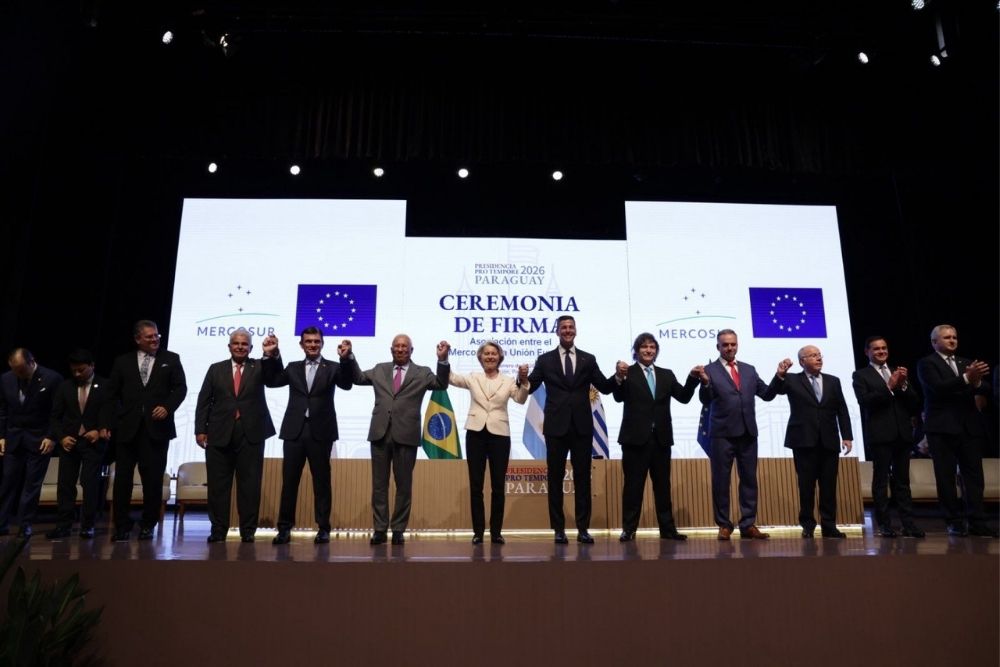
EU seals Mercosur deal to diversify trade as tariffs return to transatlantic politics
The European Union and the Mercosur bloc (Argentina, Brazil, Paraguay and Uruguay) have formally signed a long-negotiated free trade agreement in Asunción, Paraguay’s capital, closing the diplomatic loop on roughly a quarter-century of talks and positioning the pact as the EU’s biggest trade deal to date by the breadth of market opening it promises.
The signature is not the same thing as entry into force: the agreement still needs consent from the European Parliament and ratification on the Mercosur side, and it is headed into precisely the political minefields, including farming, environmental enforcement, and regulatory trust, that repeatedly stalled it in the past.
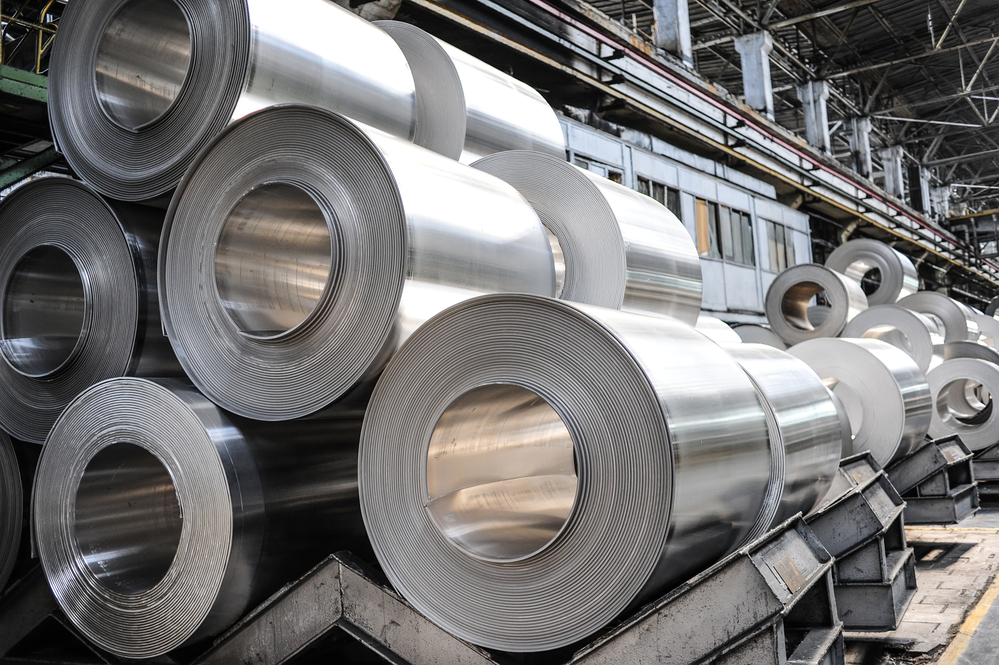
CBAM benchmarks signal a harder EU line on high-carbon imports
Brussels is preparing to turn the screw on high-carbon imports. New draft plans for the EU’s Carbon Border Adjustment Mechanism (CBAM) suggest that, from next year, foreign producers of aluminium, cement, fertilisers and, indirectly, steel could face steeper carbon costs than most had pencilled in, as the European Commission tightens the benchmarks it will use to calculate the levy.
From January, CBAM moves from its current “reporting only” phase into one where importers must start paying for the CO₂ embedded in certain carbon-intensive goods they bring into the bloc. In effect, the system extends the EU Emissions Trading System (ETS) to selected imports: if a tonne of emissions costs EU producers €80 under the ETS, imports should ultimately face a comparable burden, offset by any carbon price already paid at home.