
Chinese battery maker Gotion taking 25% stake in Slovakia’s Inobat
- September 4, 2023
- Posted by: Quatro Strategies
- Categories: China, Europe, EVs & Battery Technology
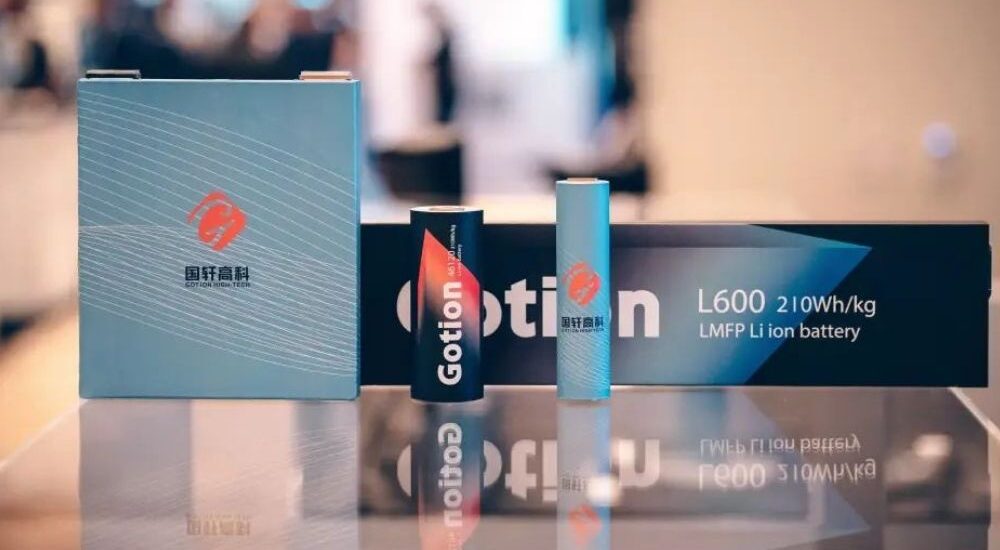
Chinese battery manufacturer Gotion High Tech is acquiring a 25% stake in Slovak battery firm Inobat, marking the first investment by a Chinese battery maker in a European start-up. The deal is part of the two firms’ ongoing collaboration, announced earlier this year, to explore joint ventures to develop batteries for electric vehicles (EVs) and energy storage. While the financial details of the transaction remain undisclosed, the partnership is expected to help Inobat speed up its path to mass production of EV batteries.
Through this investment, Gotion will provide Inobat with access to its research and development capabilities, lithium supply chain, cell production, and recycling capabilities. This support will be instrumental in helping the Slovak startup scale up its battery production operations, enabling it to meet the growing demand for EV batteries in Europe. The partnership aligns with Gotion’s broader goal of expanding its production capacity outside China to cater to the increasing demand from EV manufacturers and energy storage providers.
Europe has been making efforts to reduce its reliance on dominant Asian battery manufacturers and establish a self-sufficient EV battery industry. While some companies, like Swedish firm Northvolt, have succeeded in raising substantial investments, others have faced challenges, such as the UK’s Britishvolt, which encountered difficulties earlier this year. Gotion’s partnership with Inobat reflects the ongoing trend of global collaboration in the EV battery sector, as companies seek to secure their positions in a rapidly growing market.
Gotion is a partially-owned subsidiary of Volkswagen, and its investment in Inobat represents a significant step in the global expansion of Chinese battery manufacturers. This move signifies China’s ambition to play a more prominent role in the EV and battery industries on a global scale. Inobat, on the other hand, has signed declarations of intent with the governments of Spain and Serbia to build EV battery plants, although these agreements are still pending finalization. The collaboration between Gotion and Inobat is poised to contribute to the growth of Europe’s EV battery ecosystem as the region continues to transition towards electric mobility.
Interested in learning more?
Sign up for Top Insights Today

Top Insights Today delivers the latest insights straight to your inbox.
You will get daily industry insights on
Oil & Gas, Rare Earths & Commodities, Mining & Metals, EVs & Battery Technology, ESG & Renewable Energy, AI & Semiconductors, Aerospace & Defense, Sanctions & Regulation, Business & Politics.
Read more insights
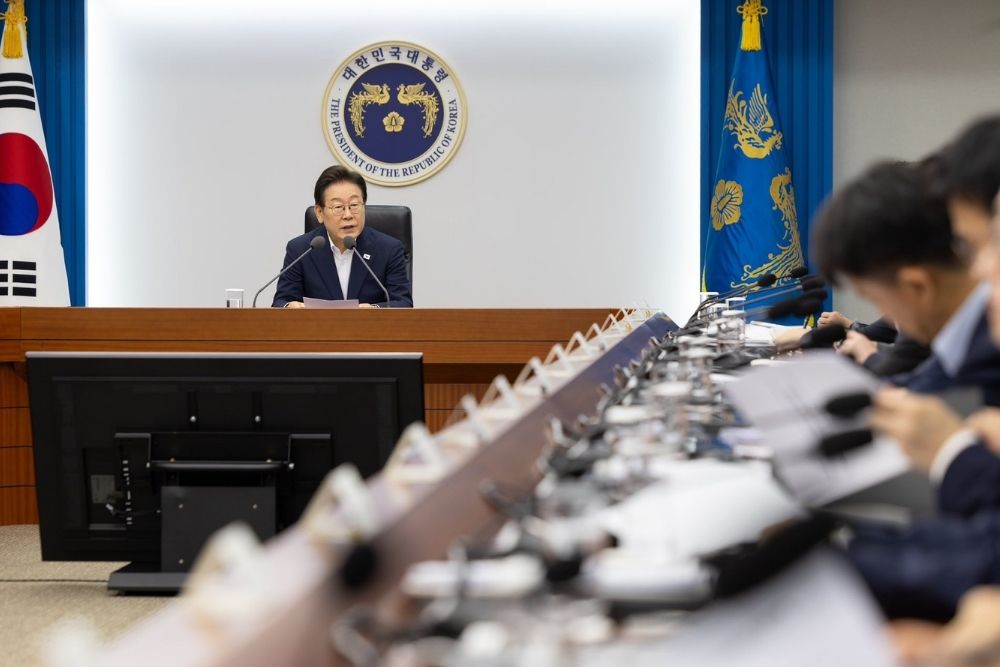
Trump–Lee summit to redefine U.S.–South Korea alliance beyond the peninsula
The first Trump–Lee summit in Washington is being billed as a milestone moment in the U.S.–South Korea relationship, a recalibration that goes well beyond trade. On paper, the July trade deal lowering U.S. tariffs to 15% was the breakthrough that set the stage for President Lee Jae Myung’s visit. But the White House is clearly intent on using the momentum not just to lock in corporate investment, but to press Seoul on defense, nuclear energy, and its role in deterring China.
On defense costs, Trump is reprising his longstanding theme that South Korea is a “free rider.” Seoul has already agreed to increase its financial contribution to host the 28,500 U.S. troops stationed on the peninsula by 8.3% from 2026, but Washington is demanding much more: specifically, that South Korea raise overall defense spending toward 5% of GDP, more than double its current 2.3%.
BP to invest $1.5 billion in Egyptian gas projects and drilling initiatives
BP is gearing up to allocate approximately $1.5 billion towards the development of gas projects and drilling endeavors in Egypt over the next three to four years, as revealed by the company on Wednesday. Earlier this month, BP and the UAE’s state-owned Abu Dhabi National Oil Company (ADNOC) disclosed…

Norway weighs ending defense ban for $2.1T wealth fund by 2027
Norway is preparing to rethink one of the most consequential taboos in sovereign investing. After two decades of excluding major defense primes tied to nuclear weapons systems, Oslo has set in motion a formal review that could let its $2.1 trillion Government Pension Fund Global buy into the sector from 2027. Parliament voted on Nov. 4 to reopen the fund’s ethical guidelines, tasking a commission to deliver recommendations by October 2026 for a June 2027 vote.
If the rules change, the world’s largest wealth fund could add stakes in roughly fourteen contractors with a combined market value near $1 trillion, names like Lockheed Martin, Boeing, Airbus, BAE Systems, Safran, Thales, Northrop Grumman, General Dynamics, L3Harris, and others previously off-limits because of their involvement in nuclear weapon components.