
DR Congo still looking for investors for the world’s biggest hydropower project
- September 21, 2023
- Posted by: Quatro Strategies
- Categories: Africa, ESG & Renewable Energy, Mining & Metals
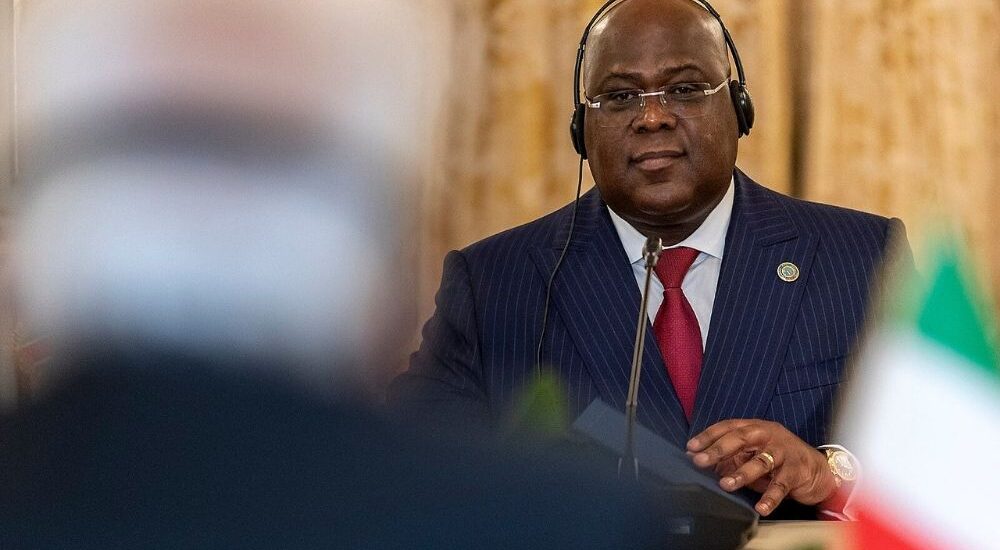
The Democratic Republic of Congo (DRC) is actively seeking partners for the ambitious Grand Inga hydropower project, the largest of its kind globally. Talks with Australian billionaire Andrew Forrest and his company, Fortescue Future Industries Ltd., have slowed down, but President Felix Tshisekedi is optimistic about other potential partners.
Tshisekedi mentioned possible collaboration with entities like the World Bank, Chinese investors, and Europeans, aiming to position the country as an attractive destination for investors interested in climate-change solutions.
President Tshisekedi is promoting various aspects to attract investment, including hydropower, carbon credits to protect the nation’s vast tropical forest, and investments in vital green-energy minerals like copper and cobalt, given that Congo is the largest producer of cobalt globally.
He highlighted increased investments by Abu Dhabi-based Primera Group Ltd. in these metals, signaling an openness to new investors beyond existing Chinese and European companies that dominate Congo’s mining and telecom industries.
The DRC is also renegotiating a $6.2 billion minerals-for-infrastructure contract with China, aiming for a new partnership. This is crucial as China’s dominance in Congo’s copper and cobalt mines raises concerns among Western governments regarding access to vital minerals for battery production.
The DRC is positioning itself to attract investment and develop key sectors, with the upcoming December elections being a significant focus. However, challenges persist, including political tensions, security issues, and the need for stable and sustainable partnerships to drive economic growth and development.
By QUATRO Strategies International Inc.
QUATRO Strategies International Inc. is the leading business insights and corporate strategy company based in Toronto, Ontario. Through our unique services, we counsel our clients on their key strategic issues, leveraging our deep industry expertise and using analytical rigor to help them make informed decisions to establish a competitive edge in the marketplace.
Interested in learning more?
Sign up for Top Insights Today

Top Insights Today delivers the latest insights straight to your inbox.
You will get daily industry insights on
Oil & Gas, Rare Earths & Commodities, Mining & Metals, EVs & Battery Technology, ESG & Renewable Energy, AI & Semiconductors, Aerospace & Defense, Sanctions & Regulation, Business & Politics.
Read more insights
Canada, EU hit back as Trump imposes sweeping metal tariffs
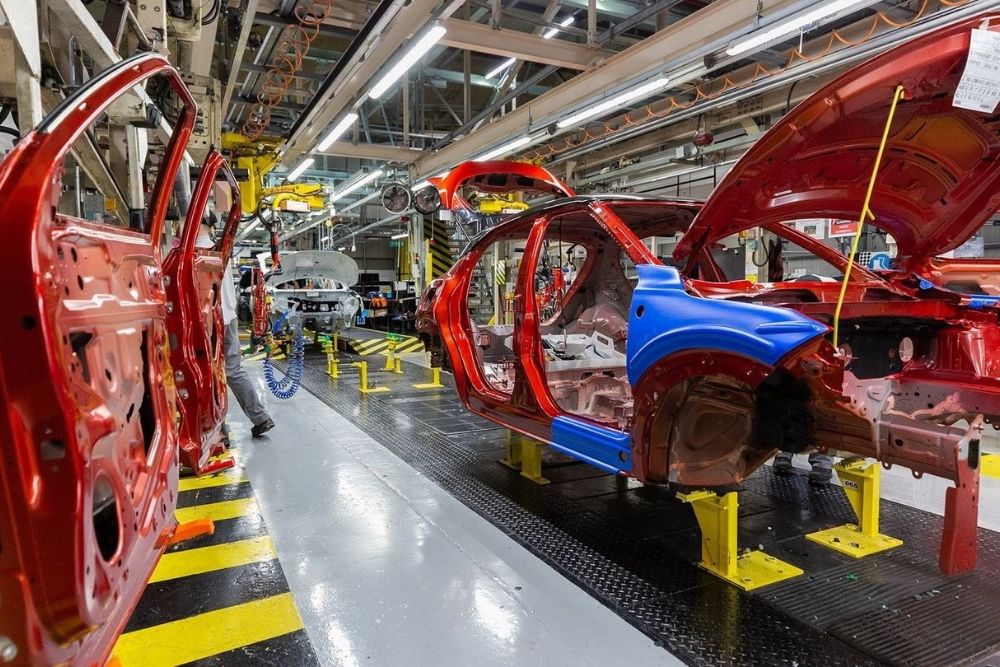
President Donald Trump’s sweeping new tariffs on steel and aluminum imports took effect on Wednesday, marking a significant escalation in his trade war and triggering swift retaliation from Canada and the European Union. The move restores a 25% tariff on all steel imports and a 10% duty on aluminum, expanding to cover a wide range of downstream products, from construction materials to consumer goods like soda cans and kitchen appliances.
The impact of Trump’s aggressive tariff strategy has been widespread, fueling concerns among economists that the uncertainty and rising costs could push the U.S. economy toward a recession. Investors and businesses remain on edge, with financial markets already rattled by months of tariff threats and policy shifts. However, U.S. steel manufacturers praised the decision, arguing that it would reinvigorate domestic production by eliminating loopholes that had allowed foreign competitors to undercut American producers.
Amid economic turmoil, China plans over 10 trillion yuan in new debt to boost growth
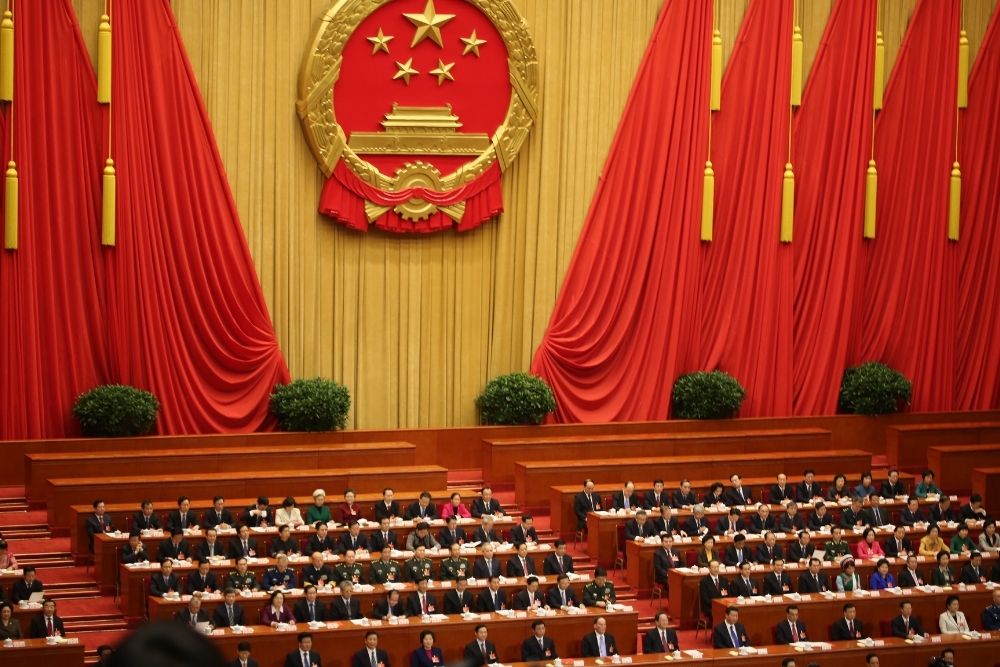
China is poised to approve a substantial fiscal package aimed at reviving its struggling economy, with plans to issue over 10 trillion yuan (approximately $1.4 trillion) in extra debt over the next few years. This decision comes at a critical time, as the nation grapples with a prolonged property crisis and soaring local government…

Diesel becomes the conflict’s fastest route into global inflation
Diesel is becoming the most dangerous transmission channel from the Middle East war into the real economy because it sits at the intersection of logistics, food production, mining, and industrial activity, and the conflict is tightening both the supply of diesel itself and the availability of the crude grades that maximize diesel yields.
The market is effectively repricing the “workhorse barrel” of the global economy, not just crude oil. That is why traders are describing diesel as structurally more exposed than gasoline: it is more globally traded, more essential to freight and agriculture, and harder to substitute quickly without either cost inflation or outright demand destruction.