
DR Congo still looking for investors for the world’s biggest hydropower project
- September 21, 2023
- Posted by: Quatro Strategies
- Categories: Africa, ESG & Renewable Energy, Mining & Metals
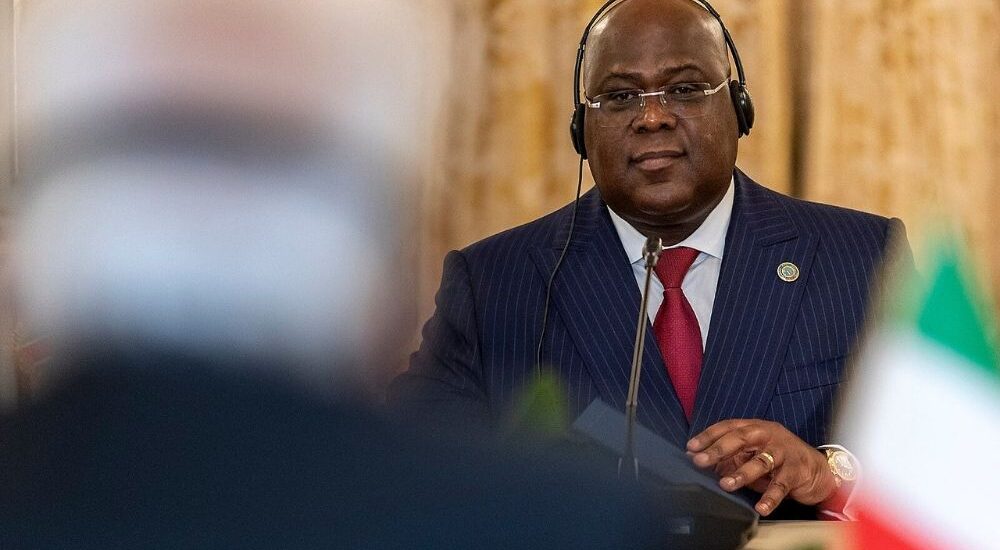
The Democratic Republic of Congo (DRC) is actively seeking partners for the ambitious Grand Inga hydropower project, the largest of its kind globally. Talks with Australian billionaire Andrew Forrest and his company, Fortescue Future Industries Ltd., have slowed down, but President Felix Tshisekedi is optimistic about other potential partners.
Tshisekedi mentioned possible collaboration with entities like the World Bank, Chinese investors, and Europeans, aiming to position the country as an attractive destination for investors interested in climate-change solutions.
President Tshisekedi is promoting various aspects to attract investment, including hydropower, carbon credits to protect the nation’s vast tropical forest, and investments in vital green-energy minerals like copper and cobalt, given that Congo is the largest producer of cobalt globally.
He highlighted increased investments by Abu Dhabi-based Primera Group Ltd. in these metals, signaling an openness to new investors beyond existing Chinese and European companies that dominate Congo’s mining and telecom industries.
The DRC is also renegotiating a $6.2 billion minerals-for-infrastructure contract with China, aiming for a new partnership. This is crucial as China’s dominance in Congo’s copper and cobalt mines raises concerns among Western governments regarding access to vital minerals for battery production.
The DRC is positioning itself to attract investment and develop key sectors, with the upcoming December elections being a significant focus. However, challenges persist, including political tensions, security issues, and the need for stable and sustainable partnerships to drive economic growth and development.
By QUATRO Strategies International Inc.
QUATRO Strategies International Inc. is the leading business insights and corporate strategy company based in Toronto, Ontario. Through our unique services, we counsel our clients on their key strategic issues, leveraging our deep industry expertise and using analytical rigor to help them make informed decisions to establish a competitive edge in the marketplace.
Interested in learning more?
Sign up for Top Insights Today

Top Insights Today delivers the latest insights straight to your inbox.
You will get daily industry insights on
Oil & Gas, Rare Earths & Commodities, Mining & Metals, EVs & Battery Technology, ESG & Renewable Energy, AI & Semiconductors, Aerospace & Defense, Sanctions & Regulation, Business & Politics.
Read more insights
U.S. recalibrates Venezuela sanctions as oil diplomacy returns
The United States is preparing to reinstate oil-related authorizations for key partners of Venezuela’s state oil company PDVSA, starting with Chevron, in a move that signals a strategic recalibration of Washington’s sanctions policy toward the country. If enacted, these licenses would allow select energy companies to resume limited operations and oil swaps with PDVSA, while still attempting to prevent any direct financial benefit to President Nicolás Maduro’s government.
This marks a notable shift from President Donald Trump’s earlier decision this year to cancel Chevron’s license and halt all sanctioned oil transactions by late May, a policy aimed at tightening pressure on the Venezuelan regime. Now, however, officials appear to be weighing the geopolitical utility of narrowly tailored energy cooperation against the blunt force of full economic isolation.
China wields rare earths as geopolitical weapon in trade standoff with U.S.
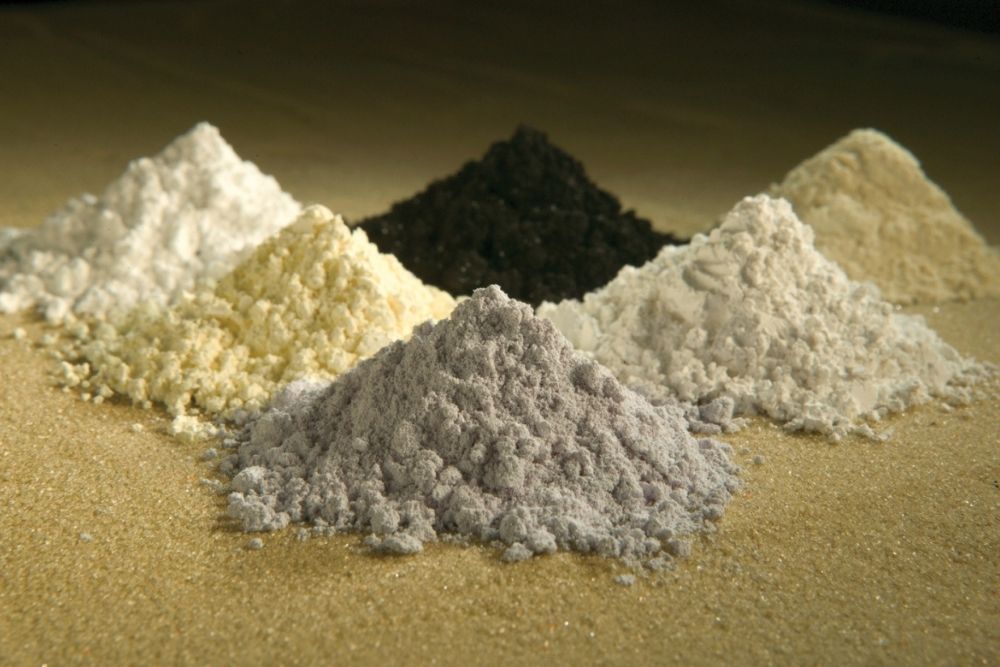
China has escalated its use of critical minerals as a strategic lever in the deepening trade conflict with the United States, expanding export controls on key rare earth elements in a move that could disrupt global supply chains for advanced manufacturing and defense technologies.
In response to President Donald Trump’s sweeping “reciprocal tariffs” on Chinese imports, Beijing announced on Friday it would impose tighter export restrictions on seven types of rare earths—elements crucial for a broad array of high-tech applications, from electric vehicle motors and wind turbines to advanced missile guidance systems and stealth technologies.
IMEC initiative gains momentum as France takes lead in bridging India-Europe gap
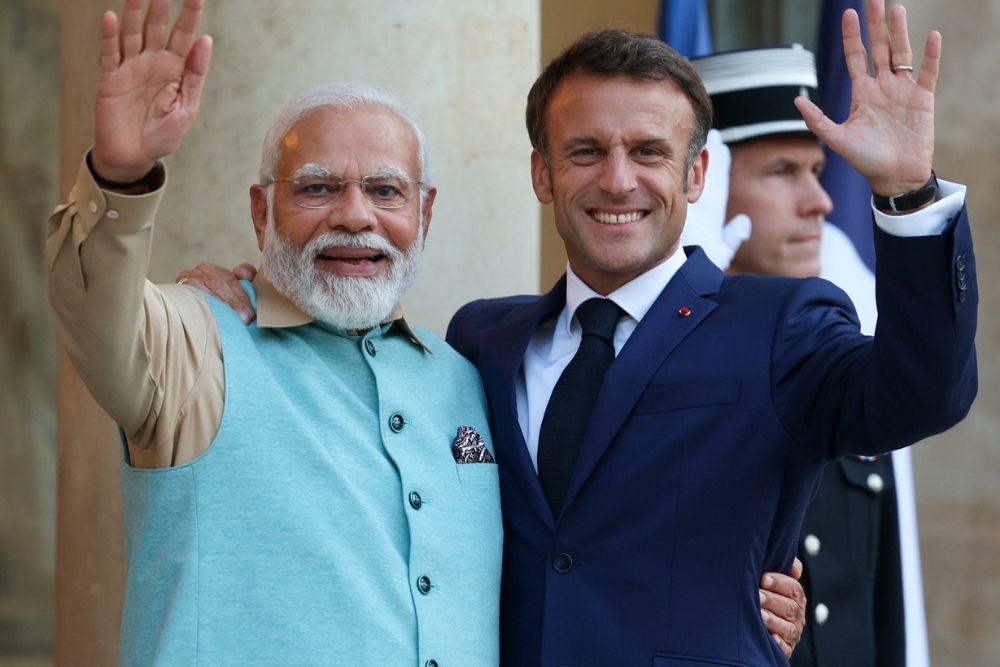
France is gearing up for an inaugural meeting to discuss a proposed infrastructure connection linking India to Europe via the Middle East, aiming to counter a similar endeavor initiated by China. President Emmanuel Macron has appointed Gerard Mestrallet, the former CEO of French energy company…