
Expansion, economy tops BRICS Summit agenda
- August 21, 2023
- Posted by: Quatro Strategies
- Categories: Africa, Business & Politics
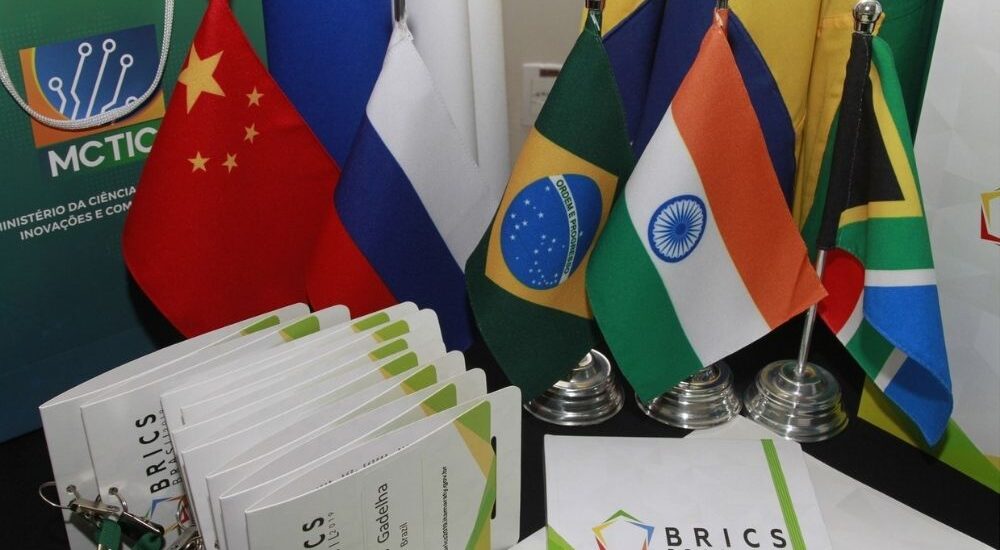
The 15th summit of the BRICS group, which includes Brazil, Russia, India, China, and South Africa, is scheduled to be held in Johannesburg from August 22 to 24. Key leaders from member nations, including South African President Cyril Ramaphosa, Chinese President Xi Jinping, Brazil’s President Luiz Inacio Lula da Silva, and Indian Prime Minister Narendra Modi, are expected to attend.
Russian President Vladimir Putin will not attend the summit in person due to an International Criminal Court arrest warrant related to alleged war crimes in Ukraine. He will participate virtually and will be represented by Foreign Minister Sergei Lavrov.
The summit is expected to address several significant issues:
BRICS Expansion: The possibility of adding new members to the group is a topic of discussion. More than 40 countries, including Saudi Arabia, Iran, UAE, Argentina, Indonesia, Egypt, and Ethiopia, have expressed interest in joining BRICS. While China supports expansion to enhance its global influence, Brazil is more cautious. Russia and South Africa are interested in bringing in new members, but India’s stance remains undecided.
BRICS Bank (NDB): The leaders are likely to discuss strategies to enhance local currency fundraising and lending within the New Development Bank (NDB), also known as the BRICS bank. Using local currencies can help mitigate the impact of foreign exchange fluctuations. The NDB, established in 2015, is expanding, and the summit may serve as a platform to attract more member countries.
Economic Cooperation: Expectations include discussions on ways to strengthen economic ties among the diverse BRICS economies. Opportunities for trade and investment in sectors such as energy, infrastructure, the digital economy, and the job market are likely to be explored.
‘Friends of BRICS’: The final day of the summit will involve talks with leaders from other countries. Invitations have been extended to 67 leaders from Africa, Latin America, Asia, and the Caribbean. The relationship between BRICS and African countries will be a focal point, aligning with the summit’s theme of “BRICS and Africa.”
Overall, the upcoming BRICS summit provides an important platform for member nations to collaborate on economic cooperation, discuss potential expansion, and engage with leaders from various countries to strengthen diplomatic ties and explore areas of mutual benefit.
Interested in learning more?
Sign up for Top Insights Today

Top Insights Today delivers the latest insights straight to your inbox.
You will get daily industry insights on
Oil & Gas, Rare Earths & Commodities, Mining & Metals, EVs & Battery Technology, ESG & Renewable Energy, AI & Semiconductors, Aerospace & Defense, Sanctions & Regulation, Business & Politics.
Read more insights
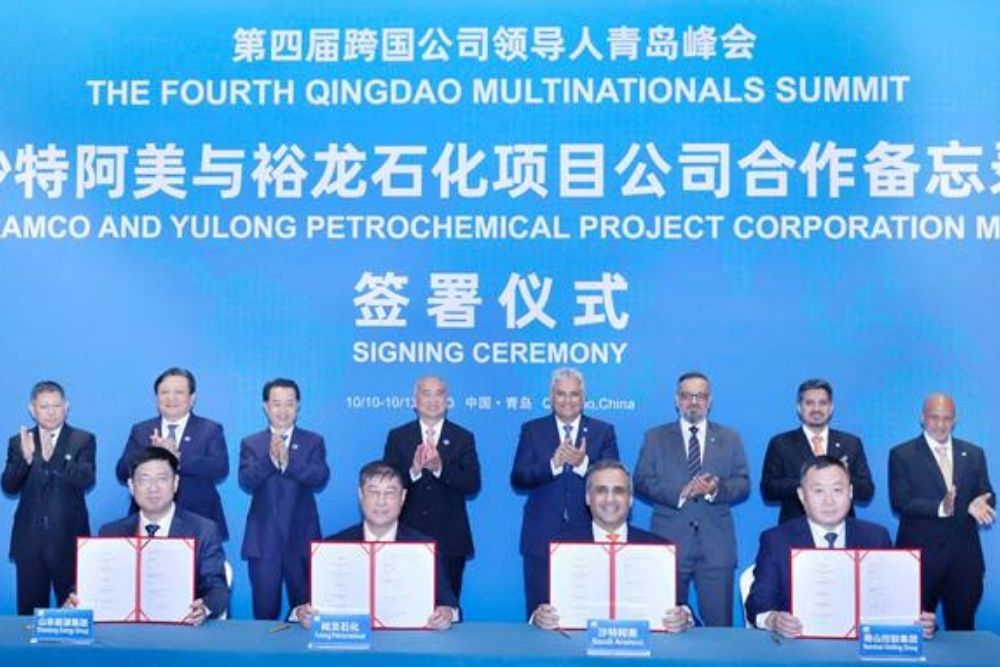
Saudi Aramco in talks to buy 10% stake in Chinese petrochemical company
Saudi Aramco, the state-owned oil giant, is in talks to acquire a 10% stake in Shandong Yulong Petrochemical Co., a move that would significantly augment the company’s investments in China. Shandong Yulong is in the process of constructing a refinery complex in eastern China’s Shandong province…
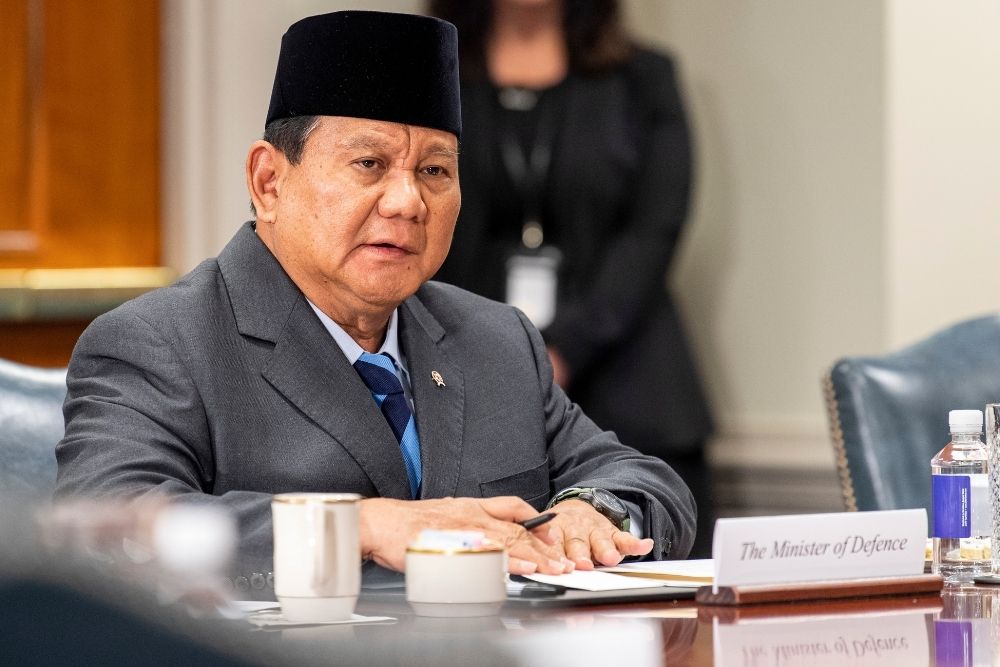
Indonesia’s prospective president Prabowo plans to revamp energy subsidies
Prabowo Subianto, the prospective next president of Indonesia, has unveiled his initial policy proposal, targeting energy subsidies as a means to fund key campaign promises. Following his claim of victory with nearly 60% of votes in unofficial quick counts, Prabowo aims to consolidate power by potentially…
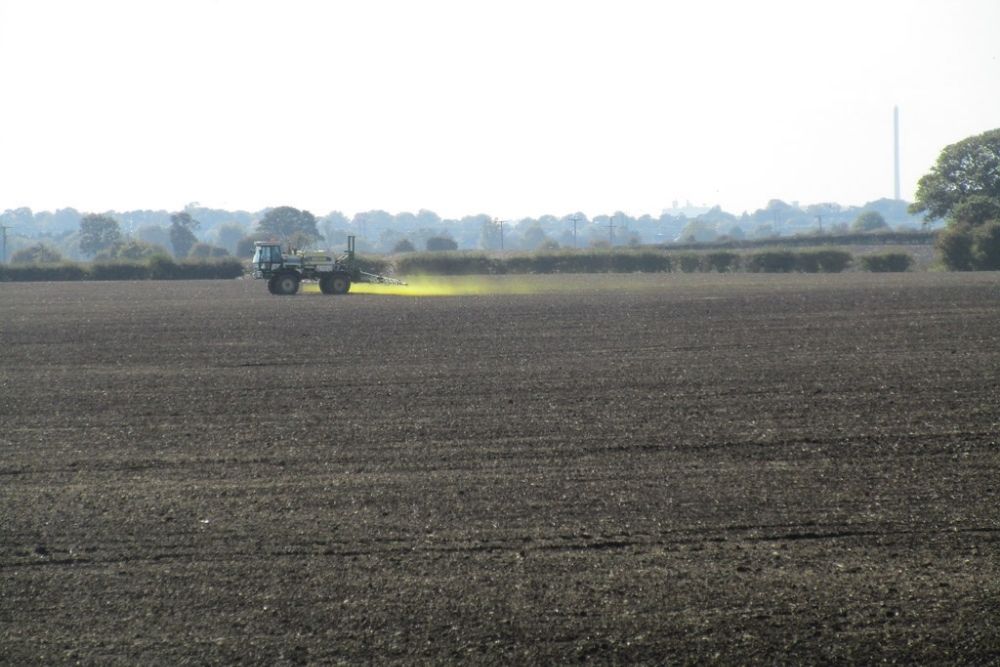
Mitsubishi to build $1.3bn urea-ammonia plant on Turkmen Caspian coast
Japan’s Mitsubishi breaking ground on a billion plus urea-ammonia complex on Turkmenistan’s Caspian shore is a classic move in gas rich states’ playbook: turn stranded or low-value natural gas into tradable nitrogen fertilizers with deeper value-added and more diversified buyers.
The Kiyanly project, targeting about 3,500 tons a day of urea and 2,000 tons of ammonia by 2028-2029, extends a pattern the country tested in nearby Garabogaz in 2018, but with a larger slate of industrial partners and a clearer diversification motive as Ashgabat tries to ease its dependence on pipeline gas sales to China.