
Geopolitical risks, supply chain issues take place of sustainability as auto industry priorities
- September 4, 2023
- Posted by: Quatro Strategies
- Categories: Business & Politics, ESG & Renewable Energy
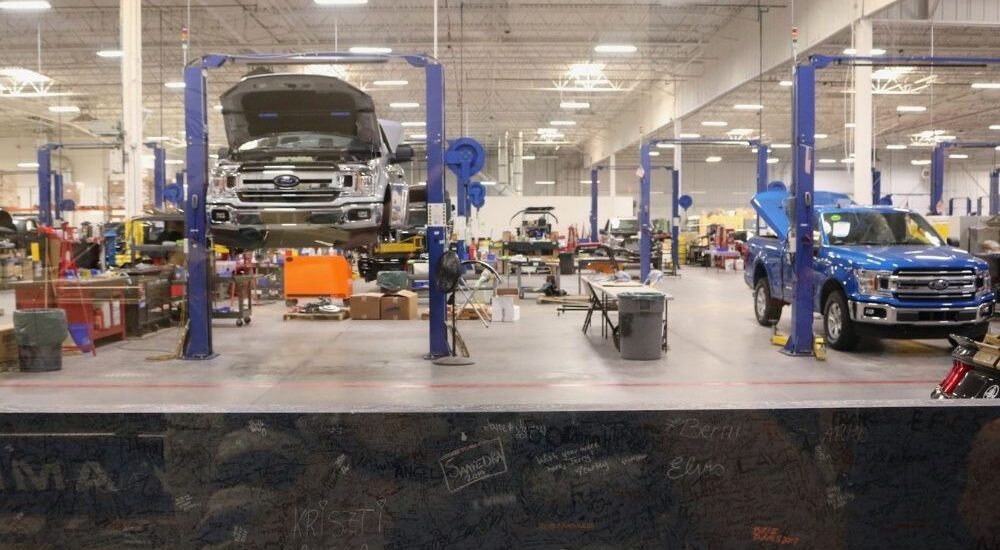
Automakers and suppliers are shifting their sourcing priorities as they deprioritize sustainability initiatives and focus on reducing exposure to geopolitical risks. A survey, which included responses from over 1,000 executives in the automotive industry, revealed a decline of 9-11 percentage points in the number of companies implementing sustainability initiatives such as carbon footprint mapping, route optimization for emissions reduction, and providing detailed production information on origins and manufacturing between 2022 and 2023.
The average investment in sustainability initiatives has also decreased, falling from $36.6 million in 2022 to $30.5 million in 2023. Notably, around one-third of the surveyed companies admitted to lacking a comprehensive sustainability strategy.
The survey results also highlighted a shift in supply chain decision-making priorities. The primary factors influencing these decisions included quality, geopolitical risk, cost, and resilience, with sustainability considerations lagging behind. Companies are emphasizing the need to ensure operational continuity in the face of ongoing supply chain challenges, such as the COVID-19 pandemic, geopolitical tensions, semiconductor shortages, and rising costs.
Furthermore, the survey revealed that roughly 50% of semiconductor supply remains insecure, with full-stack computing platforms and microcontrollers being the most challenging to obtain. Consequently, companies are reducing their reliance on offshore supply sources. The survey noted that the proportion of supply obtained from offshore locations has decreased by over a fifth in the past two years, and another one-fifth reduction in the next two years is anticipated.
The survey suggests that sustainability initiatives are being deprioritized in favor of risk mitigation and enhancing supply chain resilience as companies adapt to the challenges posed by the ongoing supply chain disruptions and geopolitical uncertainties.
Interested in learning more?
Sign up for Top Insights Today

Top Insights Today delivers the latest insights straight to your inbox.
You will get daily industry insights on
Oil & Gas, Rare Earths & Commodities, Mining & Metals, EVs & Battery Technology, ESG & Renewable Energy, AI & Semiconductors, Aerospace & Defense, Sanctions & Regulation, Business & Politics.
Read more insights
Global nickel mining industry faces challenges amid oversupply dominated by Indonesia
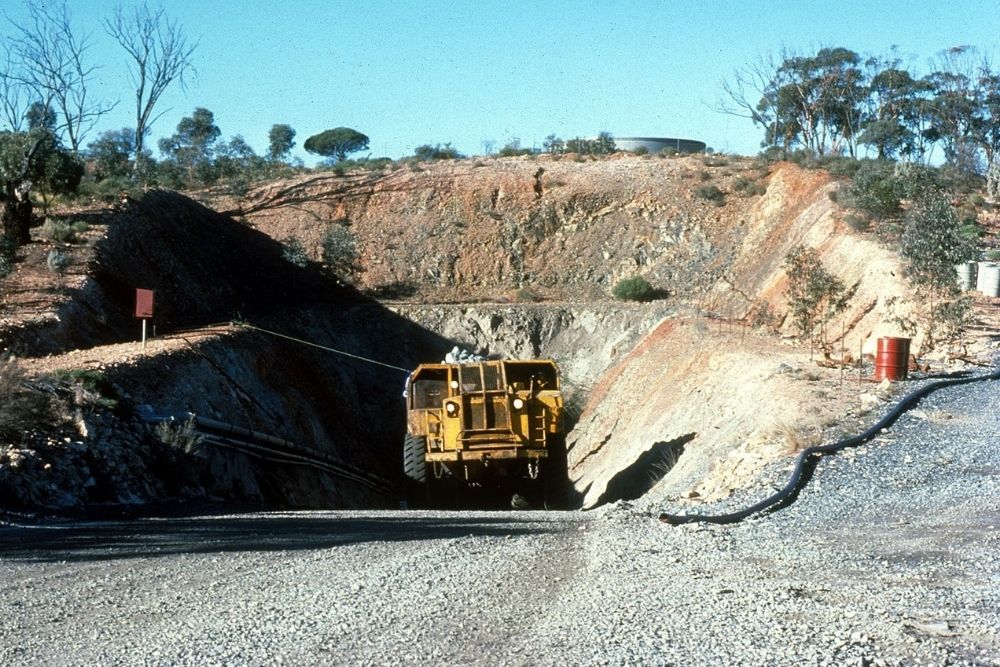
The global nickel mining industry is facing significant challenges primarily due to an oversupply of low-cost nickel from Indonesia, which continues to dominate the market, cornering more than half of the world’s supply of this critical metal. Indonesia’s rapid ascent as a leading player in the global…
U.S. offshore wind freeze turns national security into a de-facto industrial veto
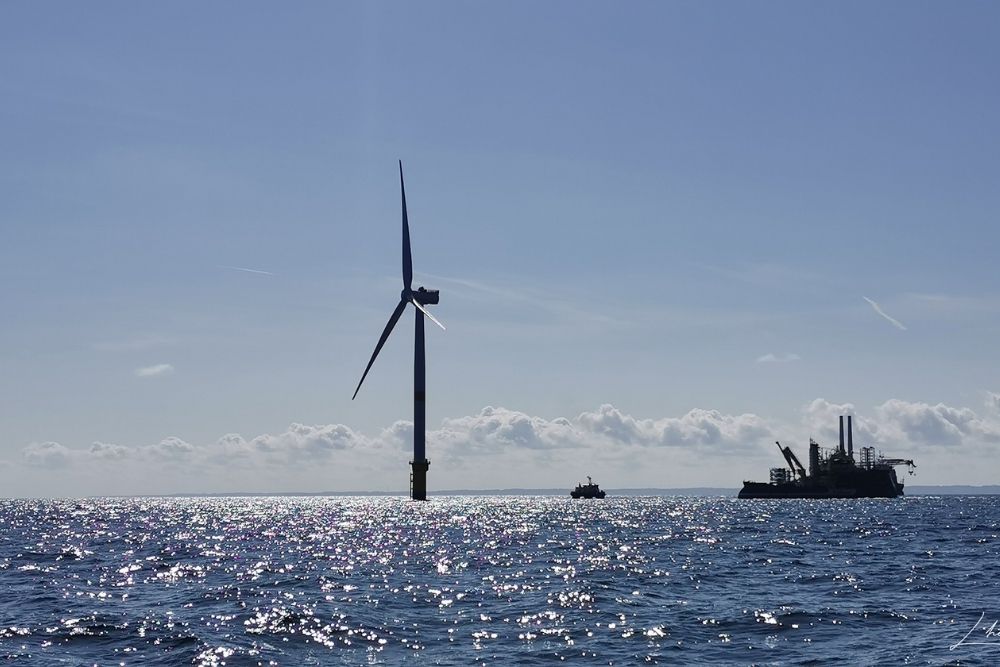
The Trump administration’s decision to suspend federal leases for five large offshore wind projects under construction off the U.S. East Coast is a material escalation in Washington’s campaign against the sector, but it is structured as a regulatory “stop” on forward progress rather than a blanket prohibition on offshore wind as a technology.
The Interior Department framed the action as an immediate pause to give federal agencies time to work with leaseholders and affected states on mitigating what it described as national security risks, specifically the risk that turbine blades in motion and highly reflective towers can generate radar “clutter” that complicates detection and tracking of threats.
Trade truce collapses as Beijing tightens rare-earth grip, Washington hits back with tariffs
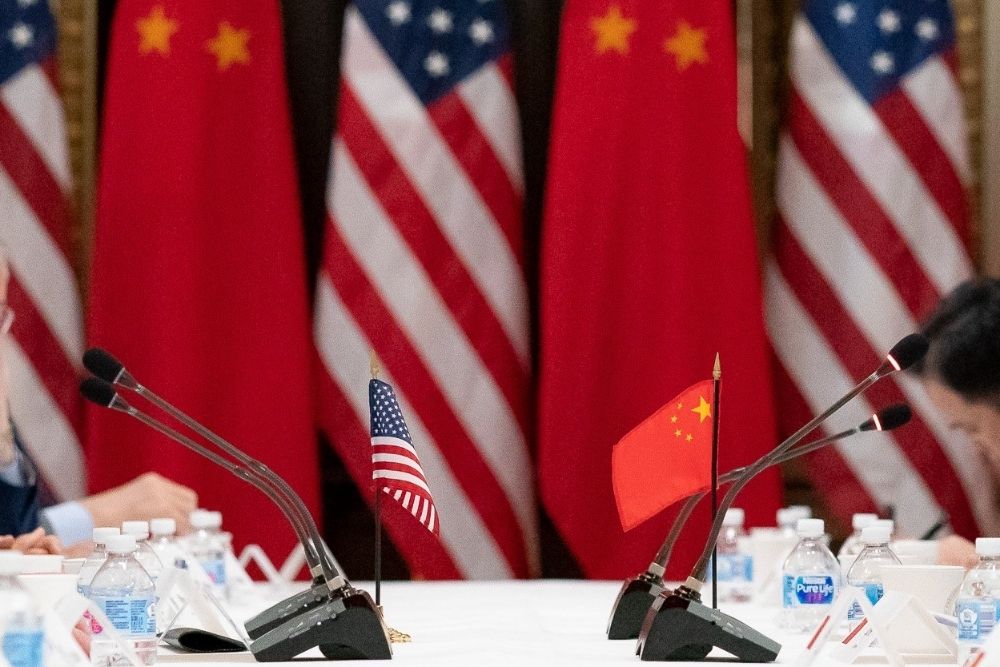
The U.S.–China trade truce just snapped, and this time the fault line runs through the world’s chokepoints for materials and code. After Beijing unveiled sweeping new controls on rare-earth exports, covering not only raw oxides and metals but also downstream goods that contain even trace amounts, President Trump answered with plans for a 100% additional tariff on Chinese imports and fresh export controls on “critical software,” both slated to kick in on November 1.
The rare-earth move was calibrated to remind Washington who dominates refining and magnet manufacturing; the U.S. reply aims to weaponize America’s leverage in markets, technology, and rules. The immediate result was whiplash: equities tumbled to their worst day since April, trade negotiators who had banked progress were forced back to the starting line, and both capitals began gaming whether to keep or cancel a leader-level meeting later this month.