
Glencore backs Canadian lithium miner Tantalex’s DR Congo operations
- September 14, 2023
- Posted by: Quatro Strategies
- Categories: Africa, Mining & Metals, Rare Earths & Commodities
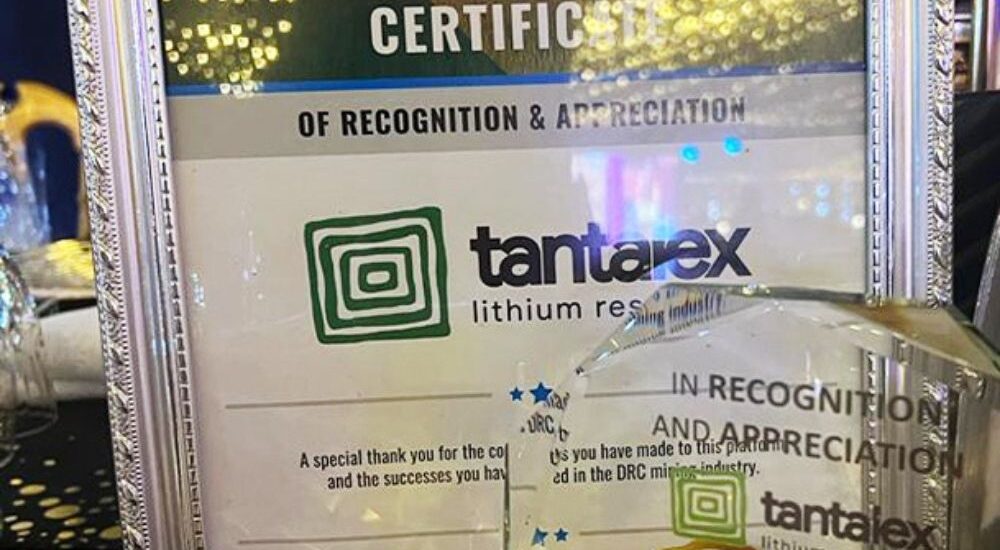
Glencore, the Swiss mining and trading company, has backed Tantalex Lithium, a Canadian junior miner focused on producing lithium from the Democratic Republic of Congo (DRC). Under the agreement, Glencore will pay Tantalex a staggered $5 million as part of a marketing off-take deal and will finance a third of the capital requirements for Tantalex’s Manono tailings project in the DRC, provided certain conditions are met.
Tantalex’s Manono tailings project in the DRC involves the extraction of lithium from tailings dams, which are common waste disposal methods for miners. The project holds the potential to produce lithium from tailings deposited several years ago, with some reaching maximum heights of 70 meters (230 feet), according to Tantalex.
This backing from Glencore marks a significant milestone in de-risking the Manono tailings project, as it brings Glencore’s expertise and resources to the table. Glencore began trading lithium approximately a year ago but has stated that it has no interest in owning lithium assets outright.
Globally, mining companies and manufacturers are striving to secure lithium supplies, a key component for battery electric vehicles, as the world seeks faster alternatives to clean energy. Tantalex aims to become the first lithium producer in the DRC, and this partnership with Glencore is expected to play a pivotal role in achieving that goal.
Interested in learning more?
Sign up for Top Insights Today

Top Insights Today delivers the latest insights straight to your inbox.
You will get daily industry insights on
Oil & Gas, Rare Earths & Commodities, Mining & Metals, EVs & Battery Technology, ESG & Renewable Energy, AI & Semiconductors, Aerospace & Defense, Sanctions & Regulation, Business & Politics.
Read more insights
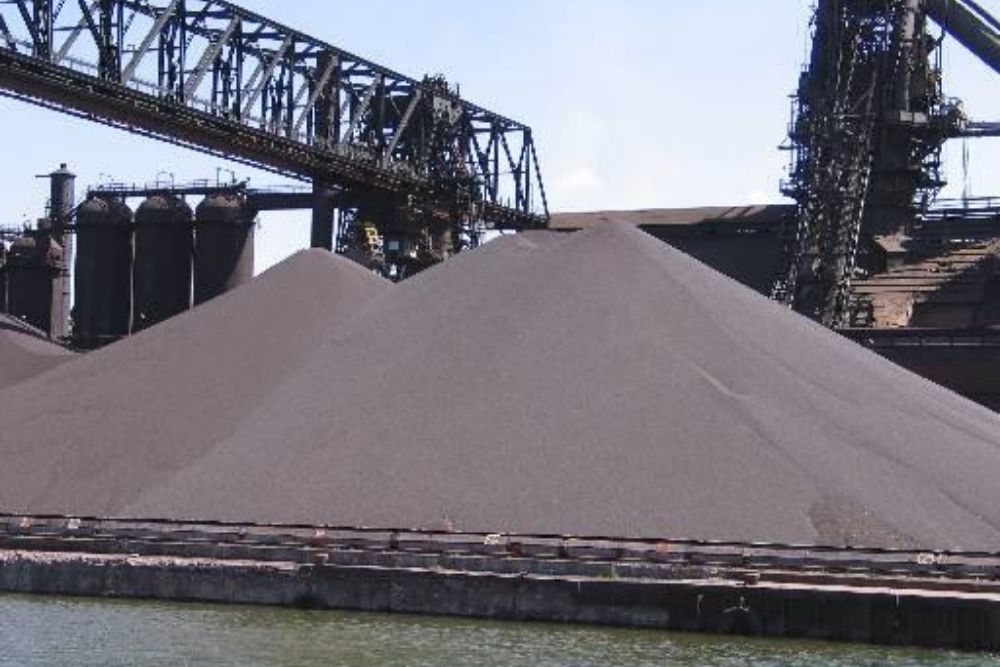
Iron ore markets frozen as traders await China’s policy response
The iron ore market’s subdued trading range despite extraordinary uncertainty surrounding Chinese demand outlook reveals how commodity markets paralyzed by conflicting signals, domestic manufacturing contraction suggesting collapsing steel consumption against potential stimulus hopes and export disruptions complicating already-fragile trade dynamics, essentially surrender price discovery to await political guidance from the National People’s Congress rather than attempting to assess fundamental supply-demand balances independently.
The fact that Chinese steel exporters have ceased making offers to Middle Eastern customers due to Hormuz shipping paralysis compounds the demand destruction from domestic weakness, creating a two-front crisis for China’s massive steel industry that no amount of parliamentary pledges can immediately resolve.
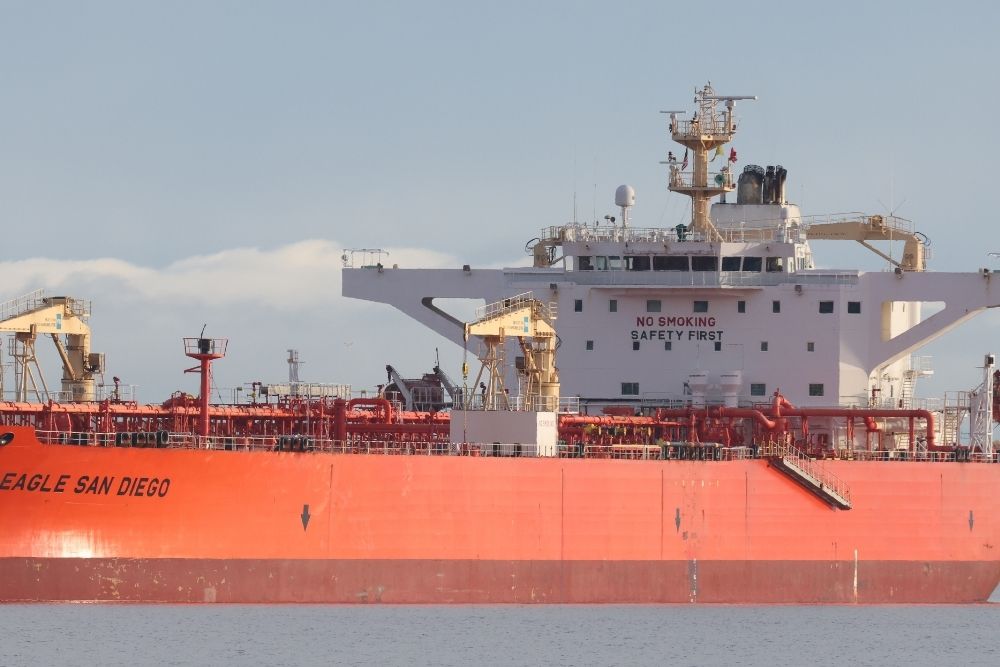
US says Venezuelan oil sales begin immediately under “authorized” channels
A sudden U.S. decision to commandeer and market a large tranche of Venezuelan crude is forcing traders, refiners, and oil companies to reprice one of the most politically “stuck” pools of supply in the world. The Trump administration has said it intends to take control of up to 50 million barrels, oil that has been effectively trapped by sanctions enforcement and a tightening maritime cordon, then move those barrels through “authorized” channels into global markets and, crucially, back into the U.S. refining system.
The immediate response has been a scramble by firms that have either been sidelined since the 2019 sanctions era or operating only at the margins: they are trying to understand which counterparties will be recognized, how contracts will be structured, what compliance rules will apply, and whether the federal government will become a de facto gatekeeper for future Venezuelan export flows.
Stellantis bets $10 billion on U.S. comeback
Stellantis looks ready to re-anchor itself in the American heartland. A two-tranche, roughly $10 billion program, about half apparently already earmarked and another ~$5 billion poised to be unveiled, points to a multiyear push across Illinois and Michigan to reopen plants, rehire, and relaunch models.
On paper it’s an industrial reset; in practice it’s a bet that the U.S. market will reward a sharper, more American product slate (Jeep, Ram, Dodge, maybe a Chrysler revival) and that policy winds from tariffs to emissions rules will make domestic metal more attractive than imports.