
Guyana has grabbed a larger share of Europe’s oil imports in 2023
- August 25, 2023
- Posted by: Quatro Strategies
- Categories: Americas, Europe, Oil & Gas
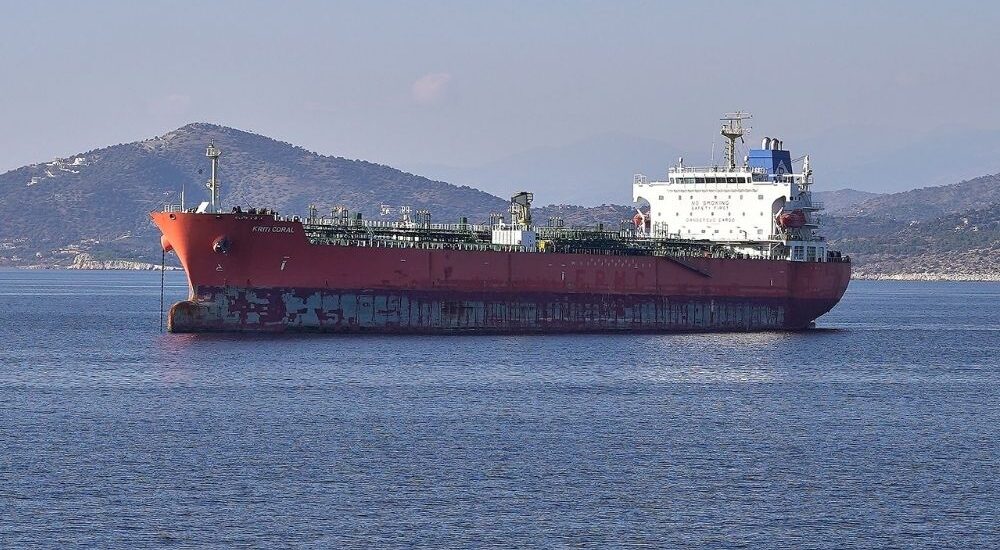
Guyana has been successful in gaining a larger share of Europe’s oil market this year, driven by increased oil production from a consortium led by Exxon Mobil and strong demand for its light sweet crude grades. This shift in oil flows has been attributed to a reshuffling of global oil trading dynamics and Western sanctions on Russian oil due to Russia’s invasion of Ukraine.
Data from vessel monitoring and Refinitiv Eikon shows that Guyana’s crude exports to Europe have risen to around 215,000 barrels per day (bpd) in the first half of this year, accounting for 63% of the country’s total exports of 338,254 bpd. This is a significant increase from the approximately 50% of exports to Europe in the previous year.
The rising oil output from Guyana has allowed the Exxon-led consortium and the government to channel more oil to European refiners. Many European refiners have shown interest in Guyana’s crude grades, as they are a good fit for their refining processes.
Rotterdam, a key European oil hub, has become an important trading hub for Guyana’s crude. However, this increased flow of oil to Europe has also led to a decline in imports of Guyanese crude by U.S. Gulf Coast refiners, who have not imported any Guyanese crude so far this year.
In terms of other regions, Asia’s imports of Guyanese crude have remained relatively flat this year, with about 90,000 bpd passing through Panama’s pipeline system. Brazil has increased its imports from Guyana, receiving around 22,000 bpd in the first half of the year.
The Exxon-led consortium and the Guyanese government are major players in the country’s emerging oil industry. The projects are projected to reach 1.2 million bpd of output by 2027, making Guyana one of Latin America’s prominent oil producers, trailing only Brazil and Mexico.
To support the growth of its oil industry, Guyana’s parliament has recently approved new oil legislation aimed at encouraging new production and increasing the country’s share of oil revenues. The country is also conducting its first competitive auction of offshore oil blocks, with results expected to be disclosed later this year.
Interested in learning more?
Sign up for Top Insights Today

Top Insights Today delivers the latest insights straight to your inbox.
You will get daily industry insights on
Oil & Gas, Rare Earths & Commodities, Mining & Metals, EVs & Battery Technology, ESG & Renewable Energy, AI & Semiconductors, Aerospace & Defense, Sanctions & Regulation, Business & Politics.
Read more insights

Toyota plans $2.2 billion investment in Brazil
Toyota Motor Corp. is set to announce an 11 billion reais ($2.2 billion) investment in Brazil over the coming years, according to the country’s Vice President Geraldo Alckmin. This investment is expected to create 2,000 jobs at Toyota’s factory located in the city of Sorocaba, Sao Paulo state…
Gold near $5,000 as geopolitics reprices U.S. risk
Investors are rotating into precious metals as confidence in U.S. assets weakens amid tariff threats, geopolitical escalation, and mounting uncertainty about U.S. policy credibility. Gold pushed to fresh highs near $5,000/oz, while silver and platinum also hit record levels, moves helped along by a softer dollar, which mechanically lifts dollar-denominated commodity prices for non-U.S. buyers.
What makes this episode notable is not simply “risk-off,” but where the market is expressing it. Instead of the usual pattern, buying dollars and Treasuries alongside gold, the broader “Sell America” dynamic has reappeared in recent sessions, with equities, longer-dated Treasuries, and the dollar all coming under pressure at the same time as volatility gauges tick higher.
Europe’s biggest CCS facility to begin construction next year
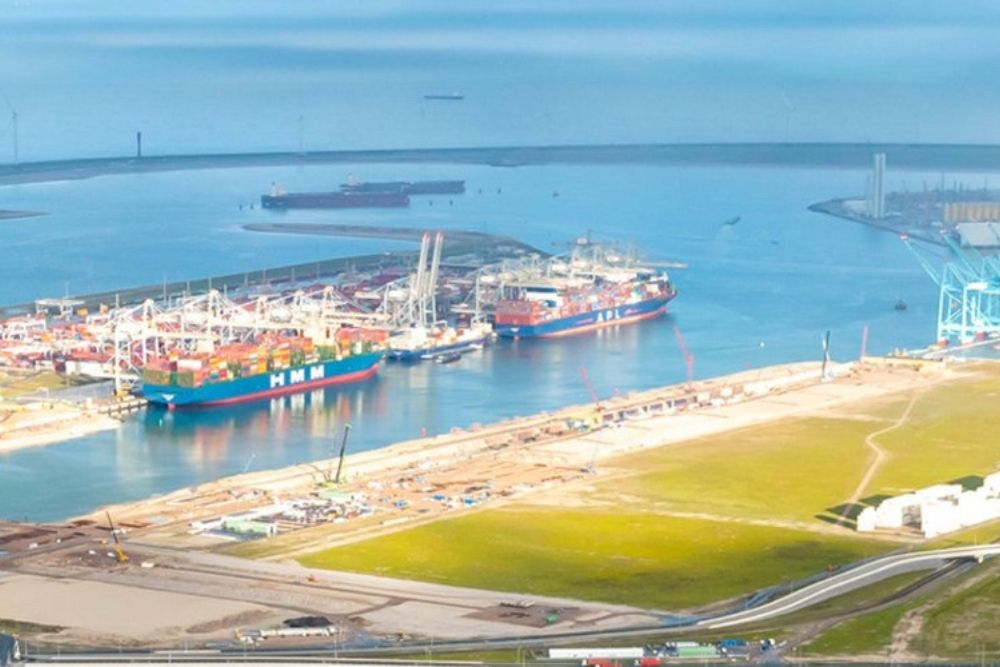
Construction of Europe’s largest carbon capture and storage (CCS) facility is set to commence in the Rotterdam port area in the coming year. The “Porthos” project, backed by the Rotterdam port authorities and Dutch gas firm Gasunie, is set to be operational by 2026 and is expected…