
Guyana has grabbed a larger share of Europe’s oil imports in 2023
- August 25, 2023
- Posted by: Quatro Strategies
- Categories: Americas, Europe, Oil & Gas
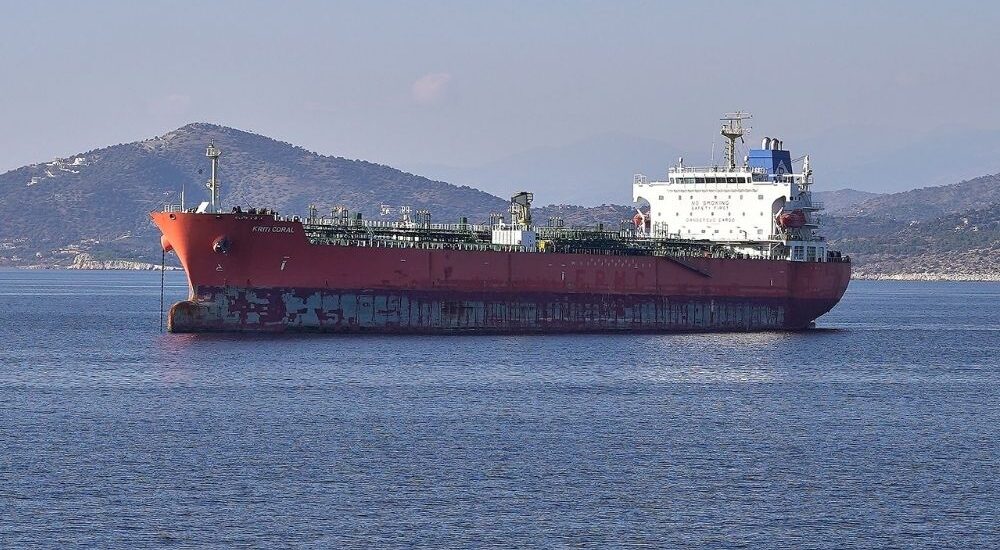
Guyana has been successful in gaining a larger share of Europe’s oil market this year, driven by increased oil production from a consortium led by Exxon Mobil and strong demand for its light sweet crude grades. This shift in oil flows has been attributed to a reshuffling of global oil trading dynamics and Western sanctions on Russian oil due to Russia’s invasion of Ukraine.
Data from vessel monitoring and Refinitiv Eikon shows that Guyana’s crude exports to Europe have risen to around 215,000 barrels per day (bpd) in the first half of this year, accounting for 63% of the country’s total exports of 338,254 bpd. This is a significant increase from the approximately 50% of exports to Europe in the previous year.
The rising oil output from Guyana has allowed the Exxon-led consortium and the government to channel more oil to European refiners. Many European refiners have shown interest in Guyana’s crude grades, as they are a good fit for their refining processes.
Rotterdam, a key European oil hub, has become an important trading hub for Guyana’s crude. However, this increased flow of oil to Europe has also led to a decline in imports of Guyanese crude by U.S. Gulf Coast refiners, who have not imported any Guyanese crude so far this year.
In terms of other regions, Asia’s imports of Guyanese crude have remained relatively flat this year, with about 90,000 bpd passing through Panama’s pipeline system. Brazil has increased its imports from Guyana, receiving around 22,000 bpd in the first half of the year.
The Exxon-led consortium and the Guyanese government are major players in the country’s emerging oil industry. The projects are projected to reach 1.2 million bpd of output by 2027, making Guyana one of Latin America’s prominent oil producers, trailing only Brazil and Mexico.
To support the growth of its oil industry, Guyana’s parliament has recently approved new oil legislation aimed at encouraging new production and increasing the country’s share of oil revenues. The country is also conducting its first competitive auction of offshore oil blocks, with results expected to be disclosed later this year.
Interested in learning more?
Sign up for Top Insights Today

Top Insights Today delivers the latest insights straight to your inbox.
You will get daily industry insights on
Oil & Gas, Rare Earths & Commodities, Mining & Metals, EVs & Battery Technology, ESG & Renewable Energy, AI & Semiconductors, Aerospace & Defense, Sanctions & Regulation, Business & Politics.
Read more insights
Norway expands offshore exploration with 62 new oil and gas licenses
On Tuesday, Norway awarded stakes in 62 offshore oil and gas exploration licenses to 24 energy companies, including Equinor, as part of its strategy to extend oil and gas production for decades. This annual award represents an increase from the 47 licenses awarded the previous year…
Equinor inks landmark 15-year LNG supply agreement with India’s Deepak Fertilisers
Equinor, the Norwegian energy major, has recently inked a significant 15-year agreement with India’s Deepak Fertilisers to supply liquefied natural gas (LNG). The LNG will primarily serve as a feedstock for ammonia production at a newly established plant operated by Deepak Fertilisers…
UK eases steel import curbs after businesses warn of damage
The United Kingdom has modified its proposed steel safeguards after businesses that use the alloy warned that the curbs designed to prop up the country’s ailing steel industry would damage their own production, illustrating the difficult balance between protecting domestic steelmaking and avoiding harm to the broader supply chain that depends on imported steel.
The modification, reducing the quota cut and exempting certain products, reflects the government’s response to the concerns of the steel-using businesses that the initial proposals were too draconian, a tension between the protection of the steel producers and the interests of the steel consumers that the safeguards must navigate.